Japan has long been at the forefront of the global renewable energy revolution. As a nation with limited land space but immense technological prowess, the Solar Inverter Factory in Japan ecosystem has evolved to meet some of the world’s most stringent technical standards. Following the 2011 energy shift, Japan implemented one of the world's most successful Feed-in Tariff (FIT) programs, which catalyzed a massive boom in both residential and utility-scale photovoltaic (PV) installations.
Today, the focus in the Japanese market has shifted from mere power generation to self-consumption and grid stability. Solar inverter manufacturers serving the Japanese market, like NOVA New Energy, must adhere to JET (Japan Electrical Safety & Environment Technology Laboratories) certifications and ensure compatibility with Japan’s unique dual-frequency power grid (50Hz in Eastern Japan including Tokyo, and 60Hz in Western Japan including Osaka).
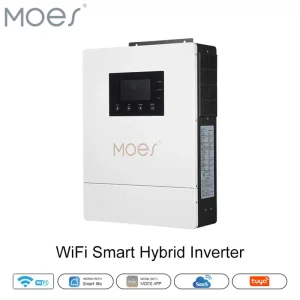
The industrial landscape is characterized by a high demand for Hybrid Inverters that integrate seamlessly with Battery Energy Storage Systems (BESS). This is particularly critical in Japan due to the high frequency of natural disasters, where "Autonomous Operation Mode" in inverters provides essential backup power during grid outages.
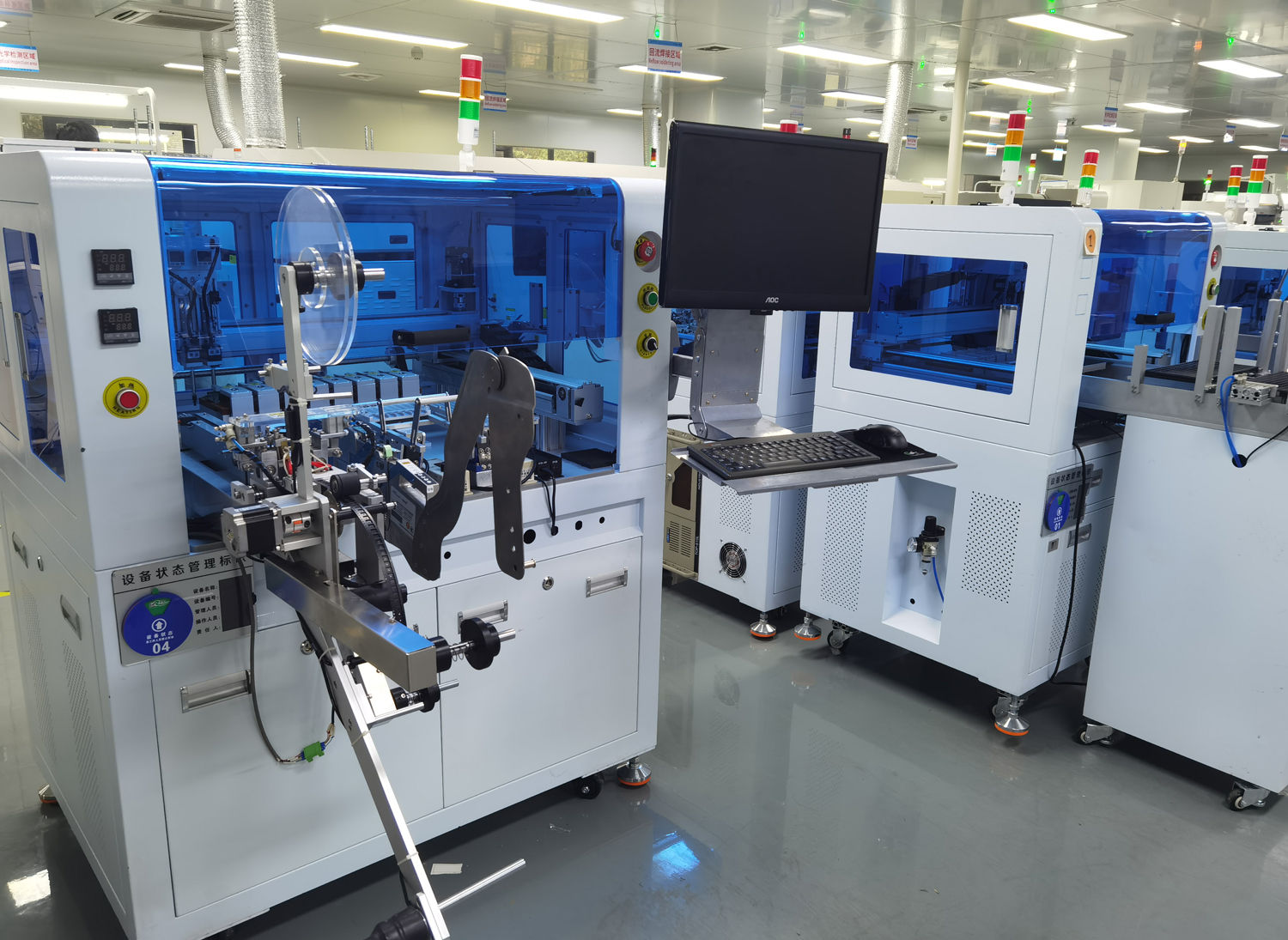
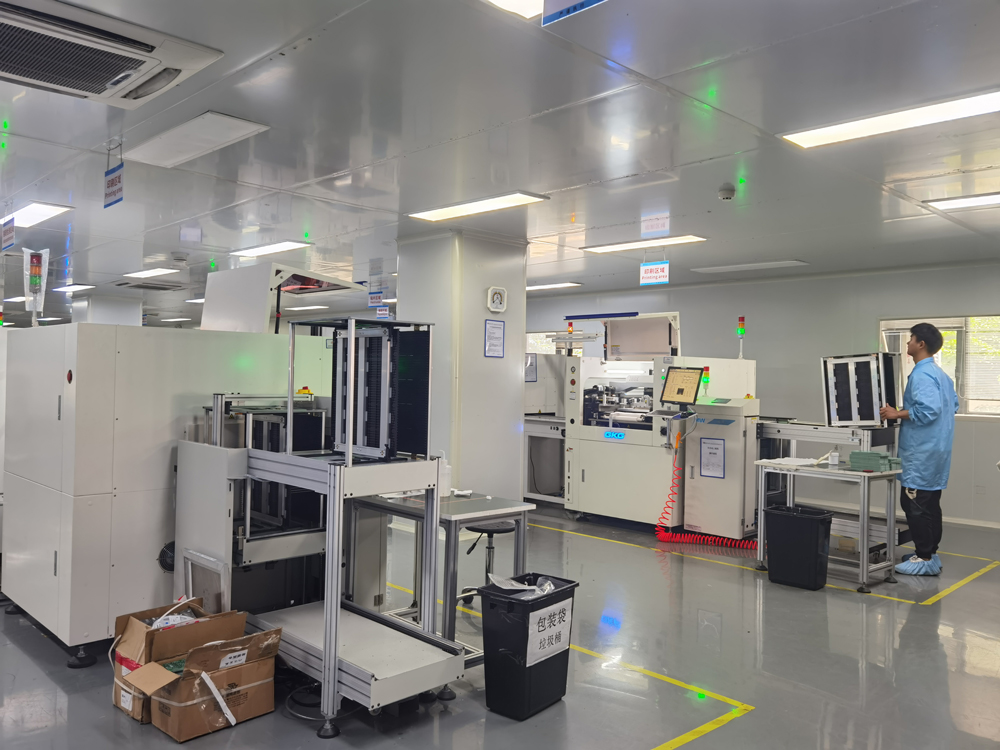
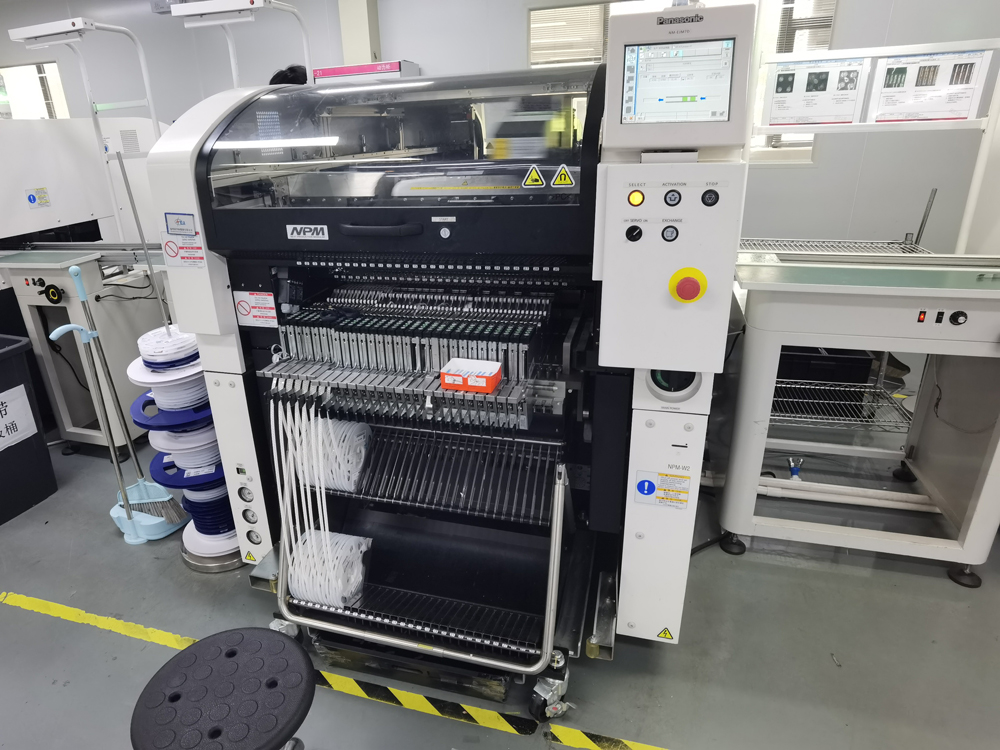
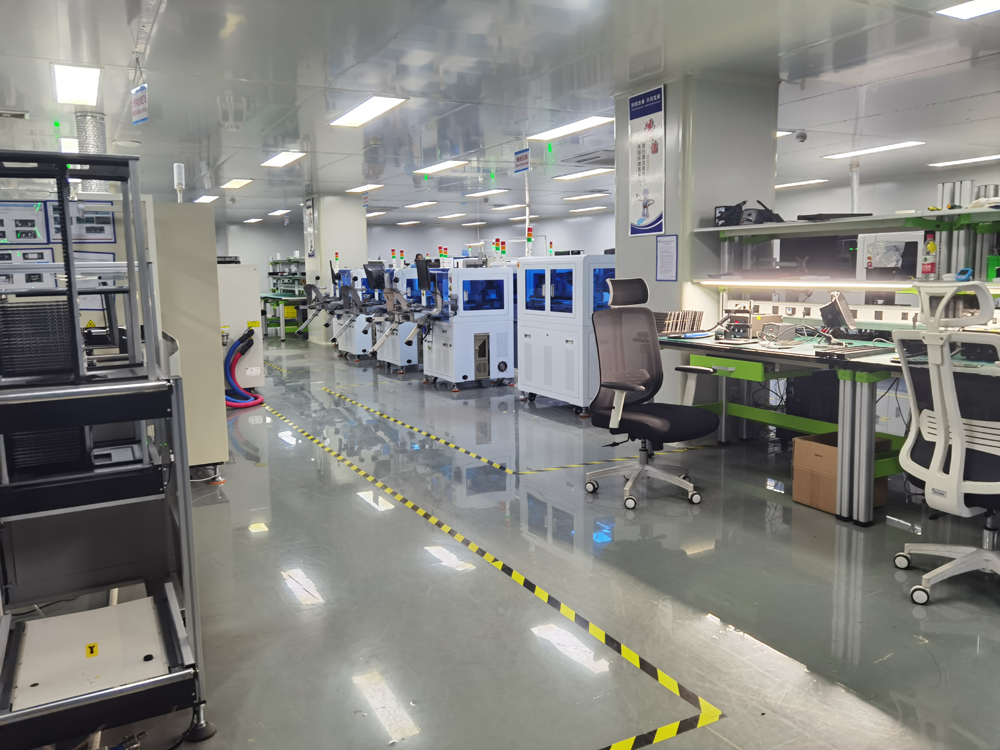
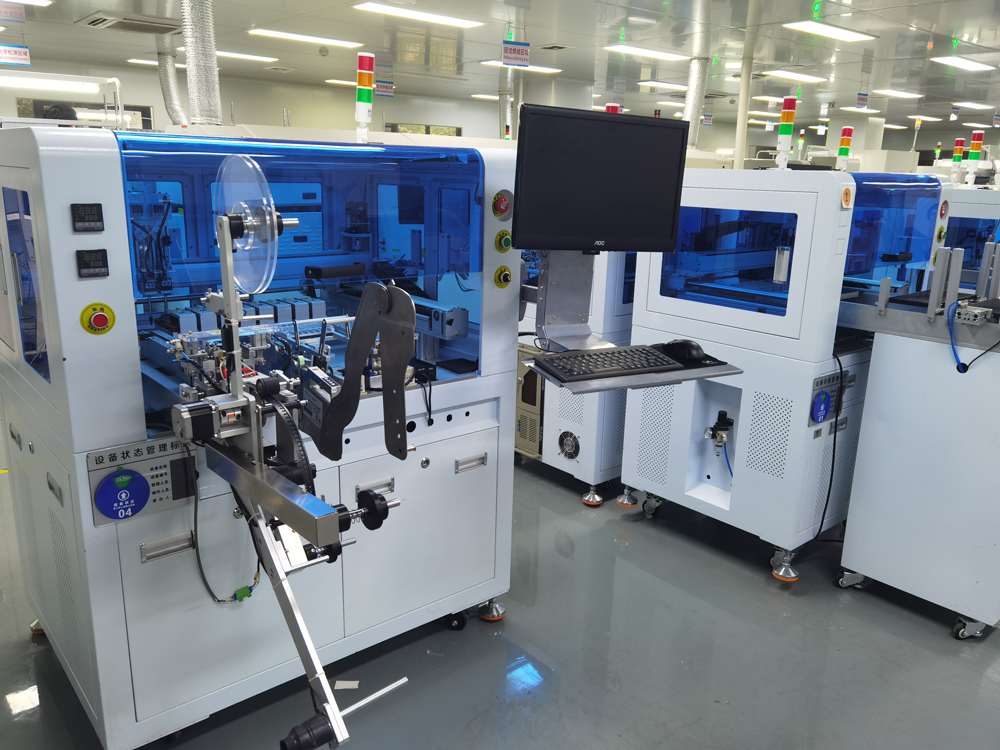
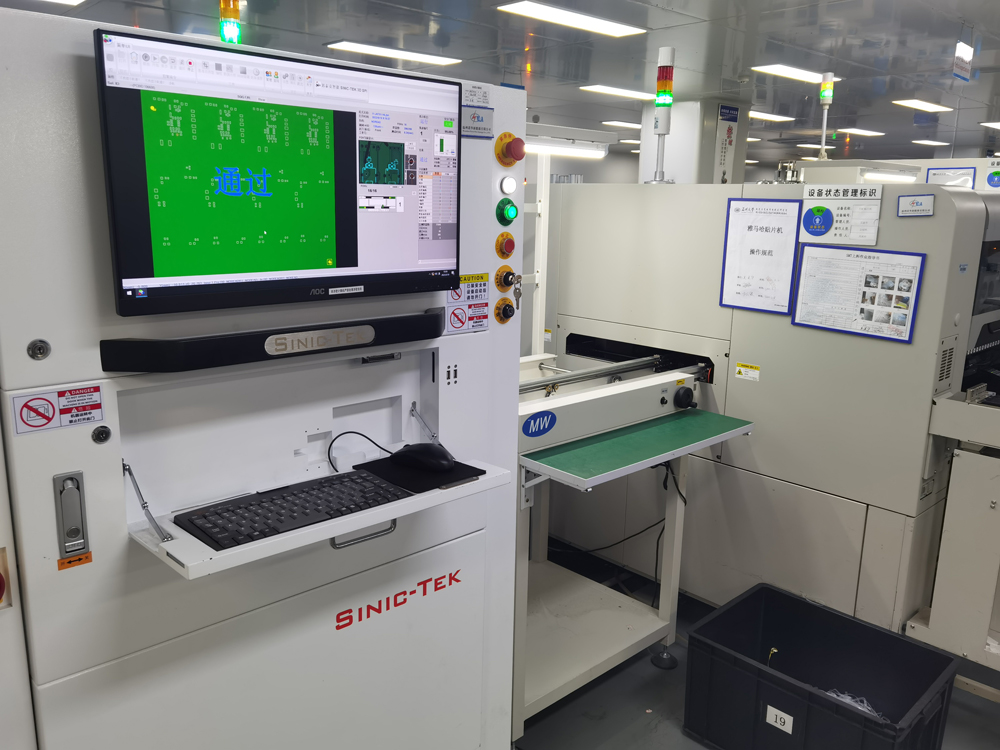
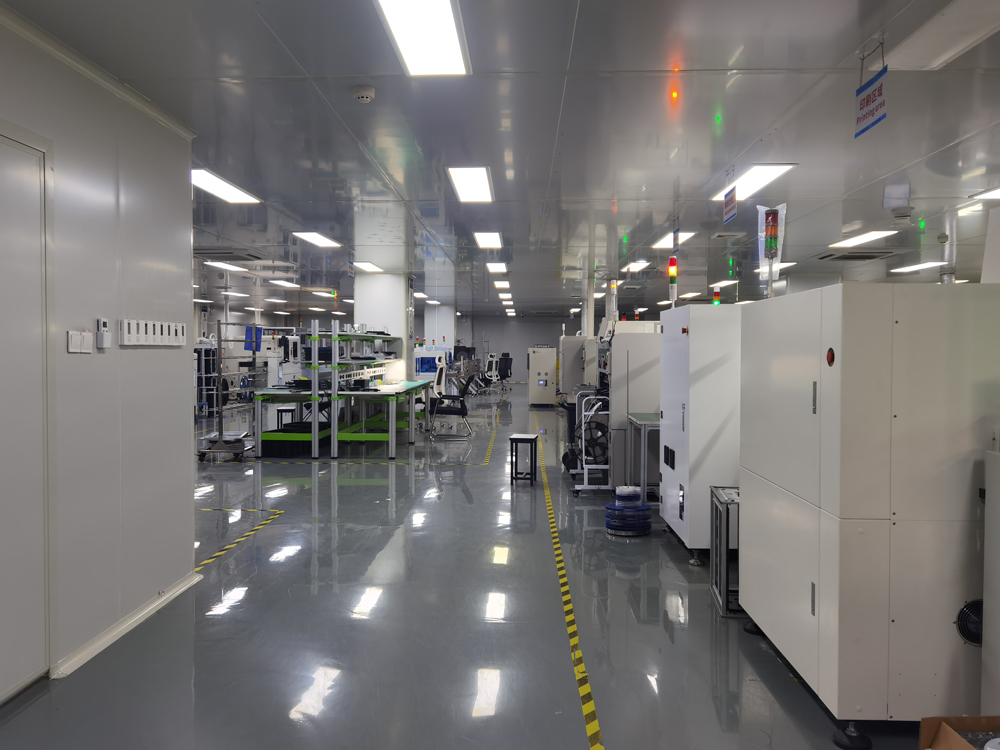
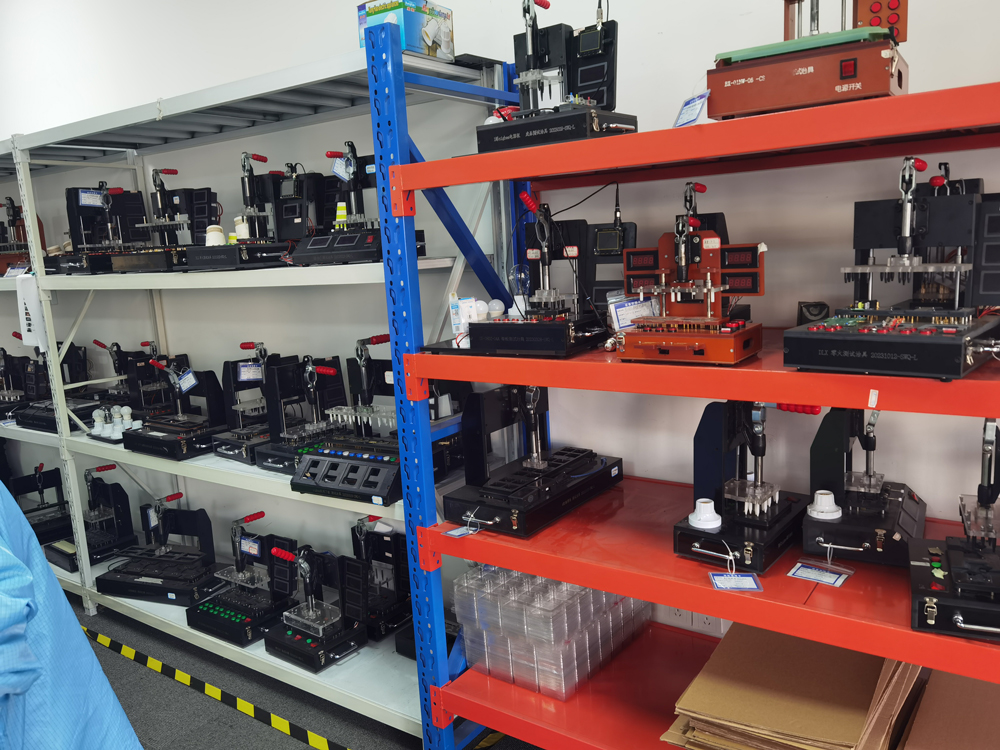
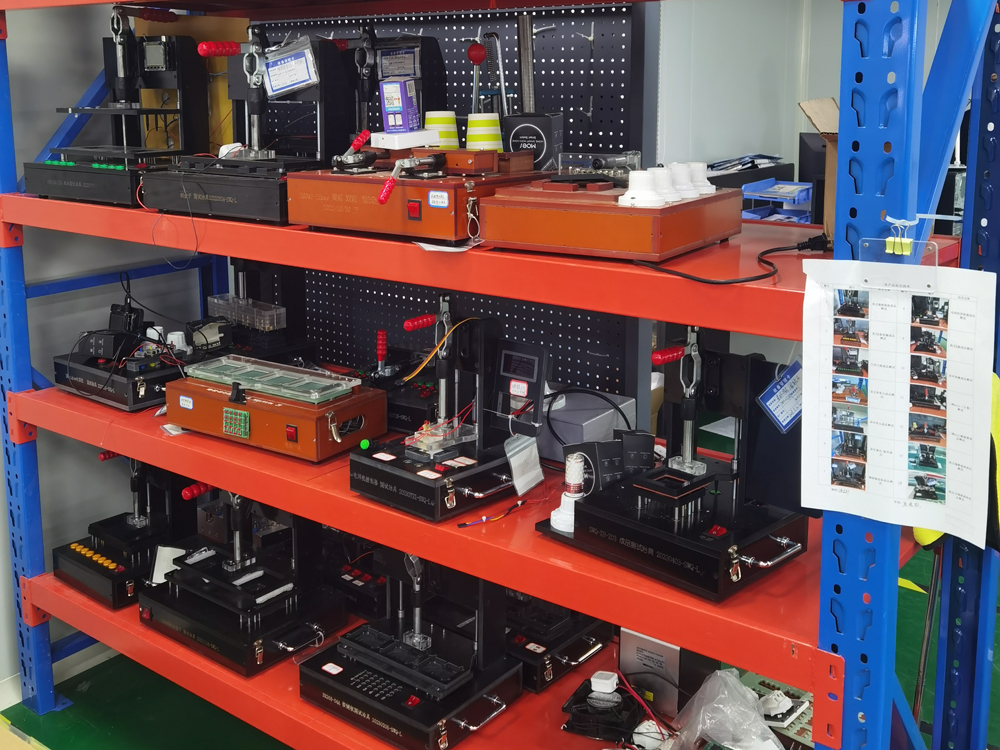
Wenzhou NOVA New Energy Co., Ltd. was established in 2008 and is headquartered in Wenzhou, Zhejiang. After fifteen years of innovation, we have developed into a national high-tech enterprise integrating R&D design, intelligent manufacturing, and global marketing. With a 120,000 square meter modern intelligent manufacturing base and over 150 professional talents, we form a complete industrial ecological chain covering Solar New Energy and Smart Home fields.
With the rise of Electric Vehicles (EVs) in Japan, solar inverters are now being designed with V2H capabilities. This allows the car's battery to act as a home storage unit, optimized by smart hybrid inverters to manage bidirectional energy flow.
Japan is pioneering "Solar Sharing" where solar panels are installed above farmland. This requires specialized lightweight inverters with high efficiency to maintain crop growth while generating clean electricity.
The Japanese government aims for all new buildings to be "Zero Energy" by 2030. Our factory-direct solar inverters play a crucial role in these building-integrated photovoltaics (BIPV) systems.

Photovoltaic Systems
Smart inverters & controllers

IoT Smart Home
Zigbee/Wifi/Matter Switches
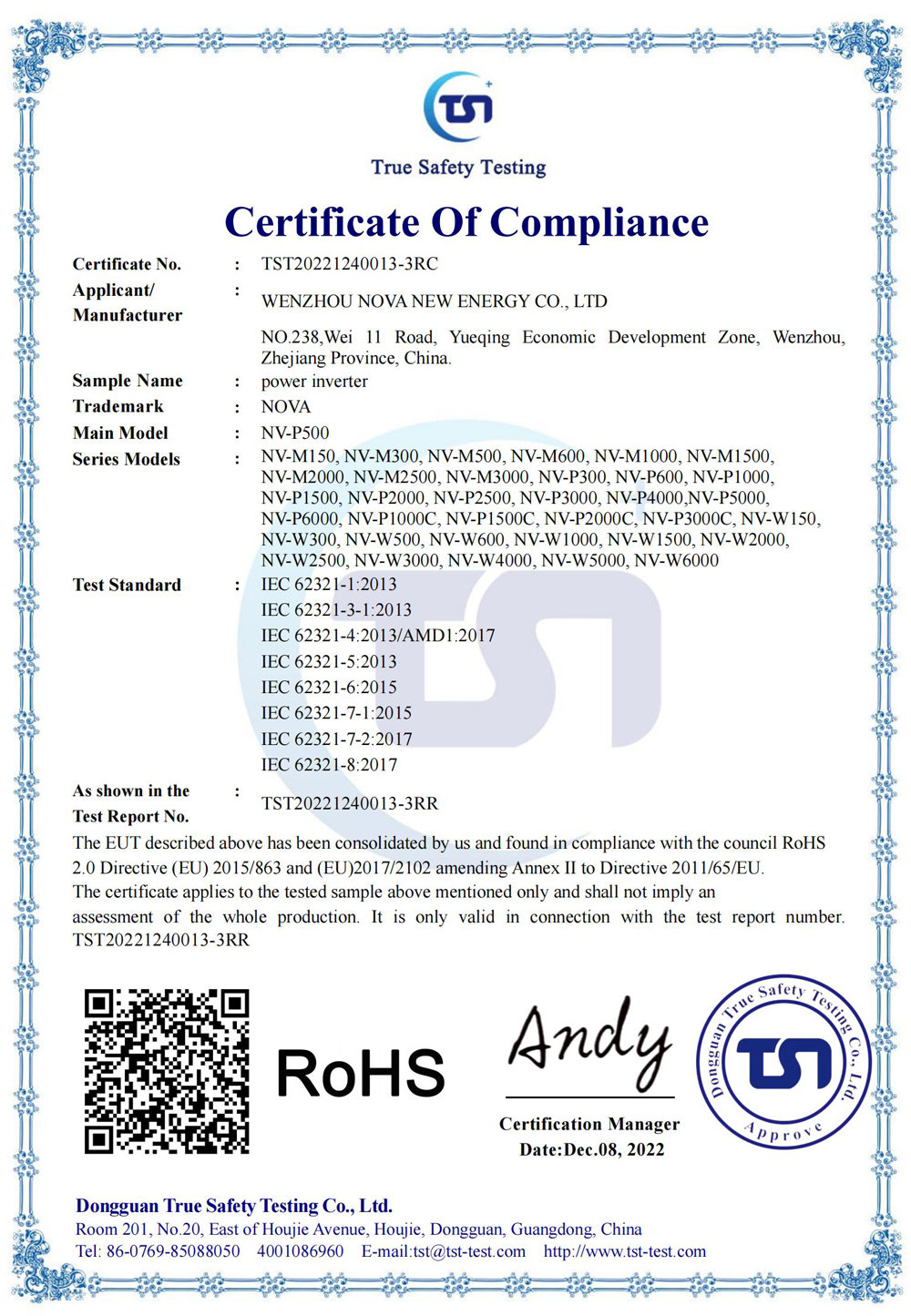
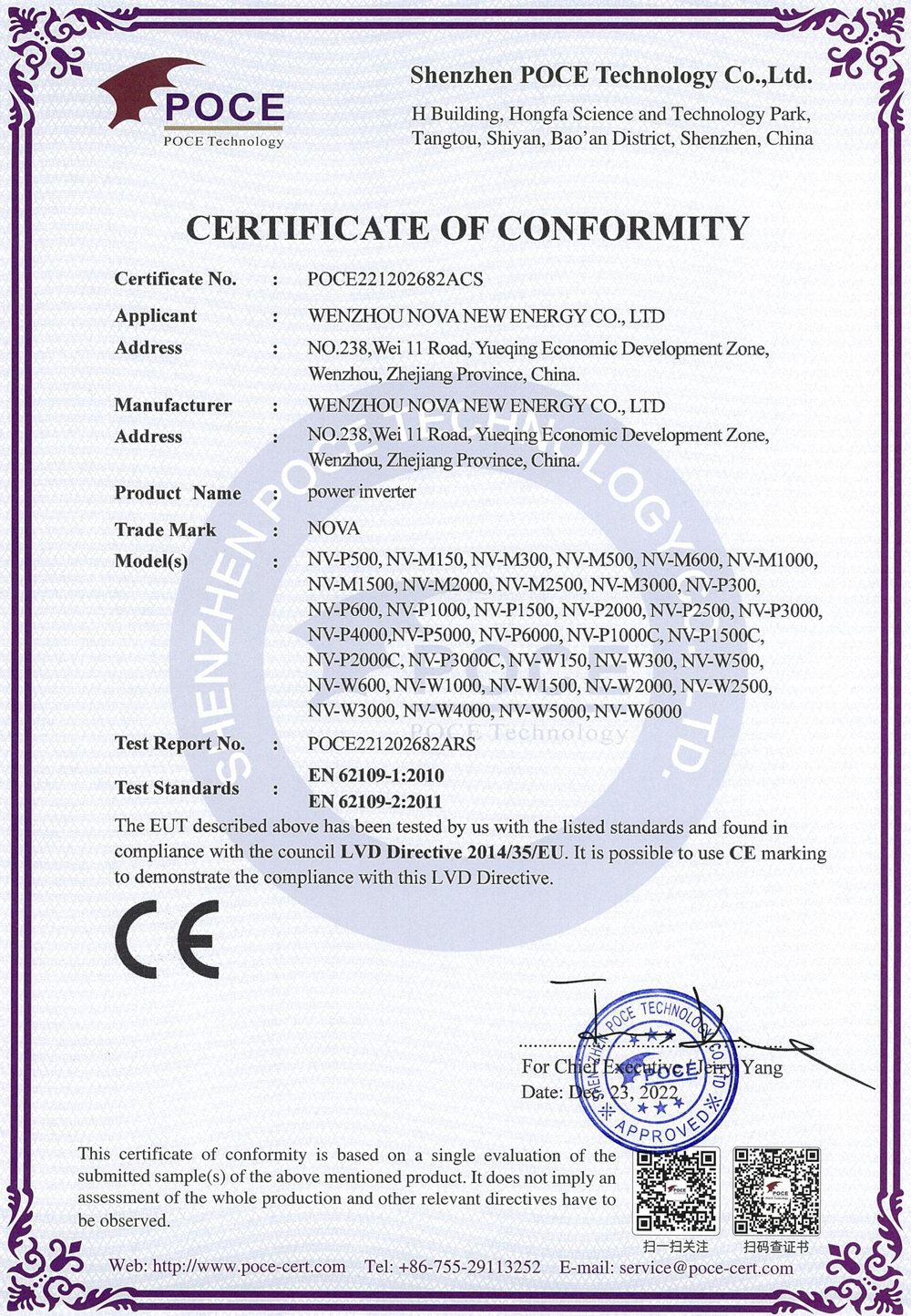
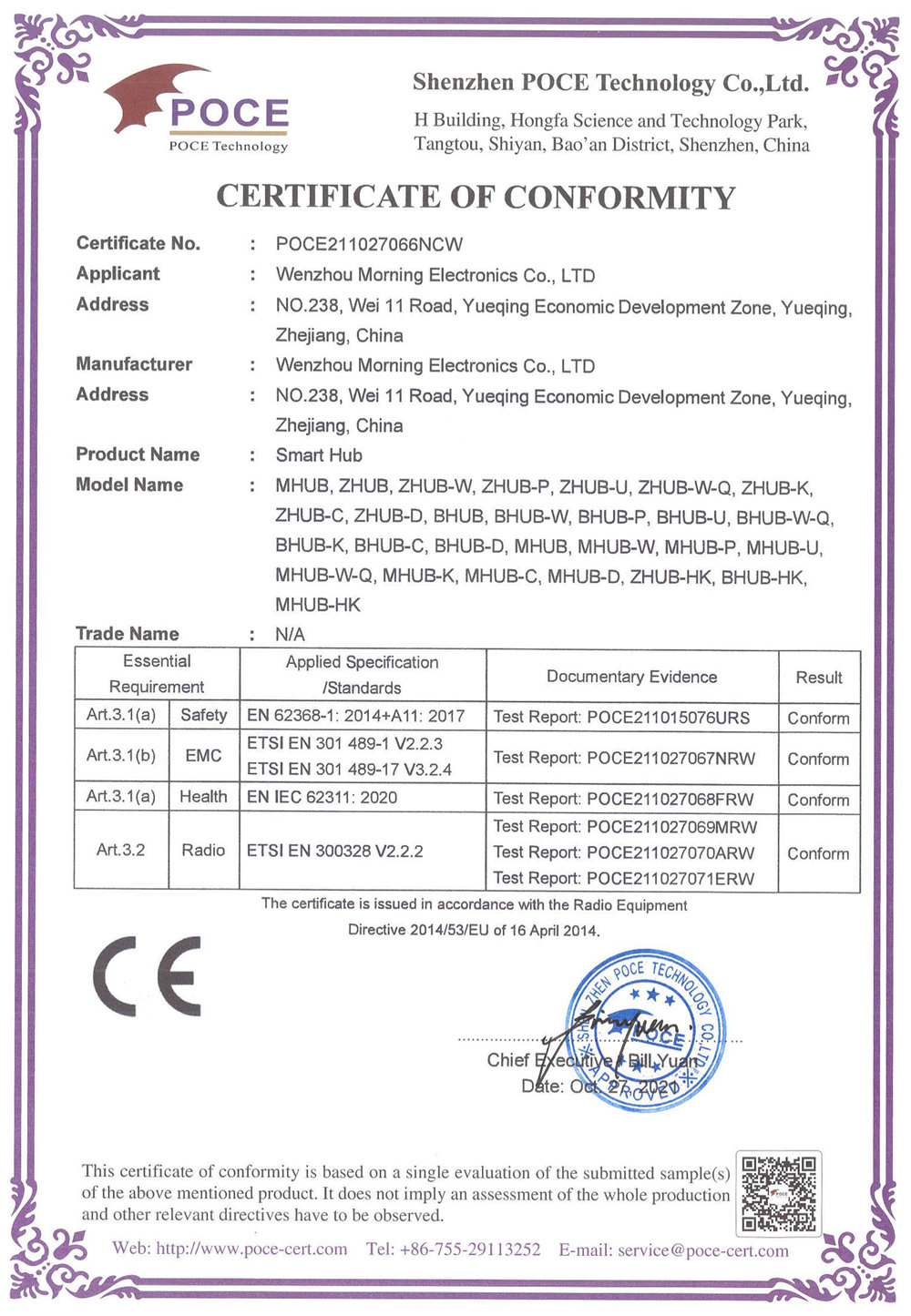
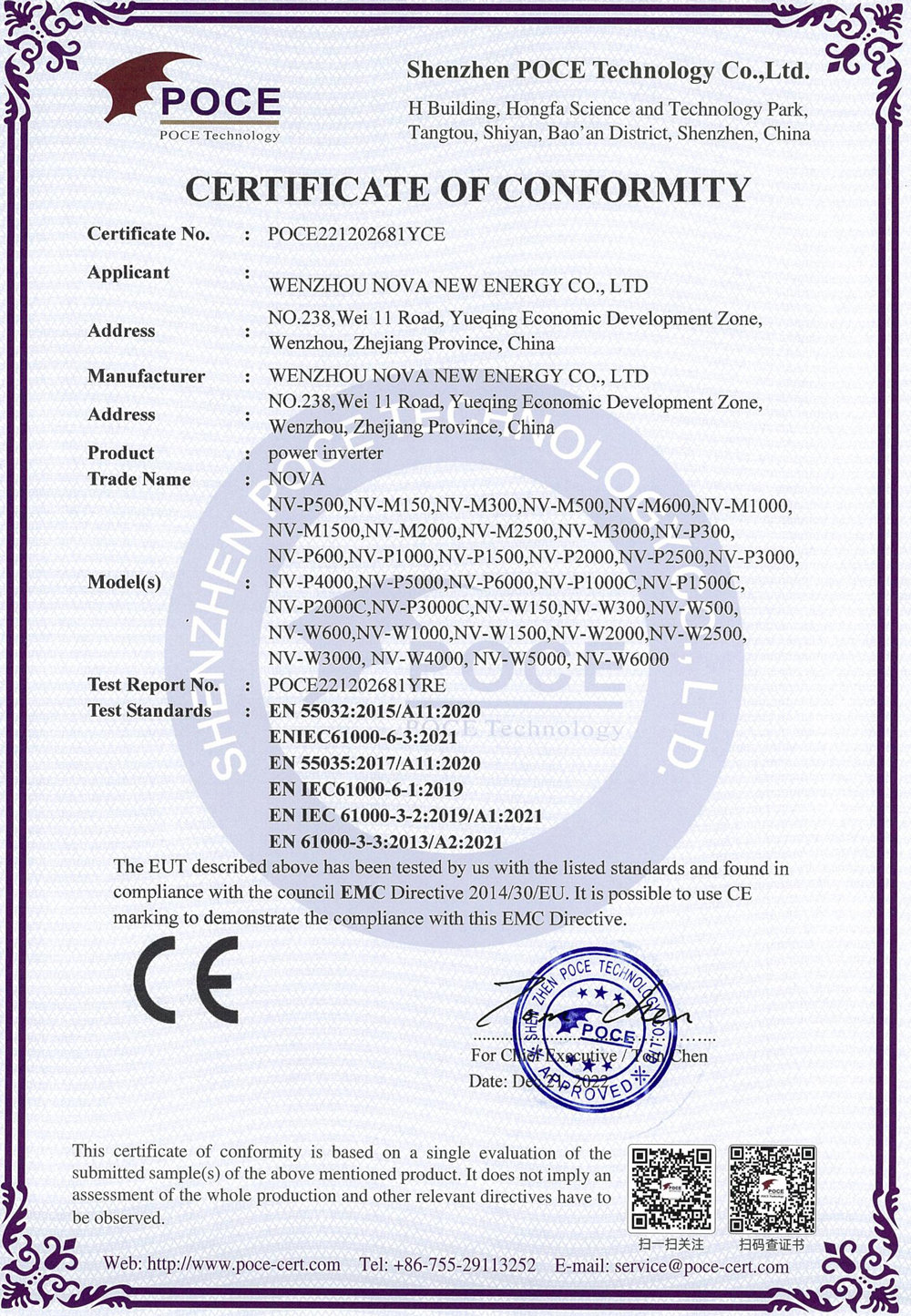
Our core products have passed 15 international authoritative certifications such as CE, ROHS, FCC, TUV, ETL, UL, BSCI, ensuring double quality assurance for the Japanese market's high-end requirements.
Understanding the unique environment of Japan is key to successful solar implementation. Here are how our factory-supplied products are utilized:
Traditional wooden houses in Kyoto are adopting compact, high-efficiency hybrid inverters that fit in limited indoor spaces. These systems focus on silent operation and high aesthetic integration with traditional architecture.
In Northern Japan, solar inverters must withstand extreme cold. Our robust off-grid inverters are used in emergency shelters to provide reliable power for medical equipment and communications during heavy snow-induced grid failures.
Large warehouses and commercial buildings in Tokyo utilize multi-string inverters with advanced MPPT technology to maximize power yield even with partial shading from neighboring skyscrapers.
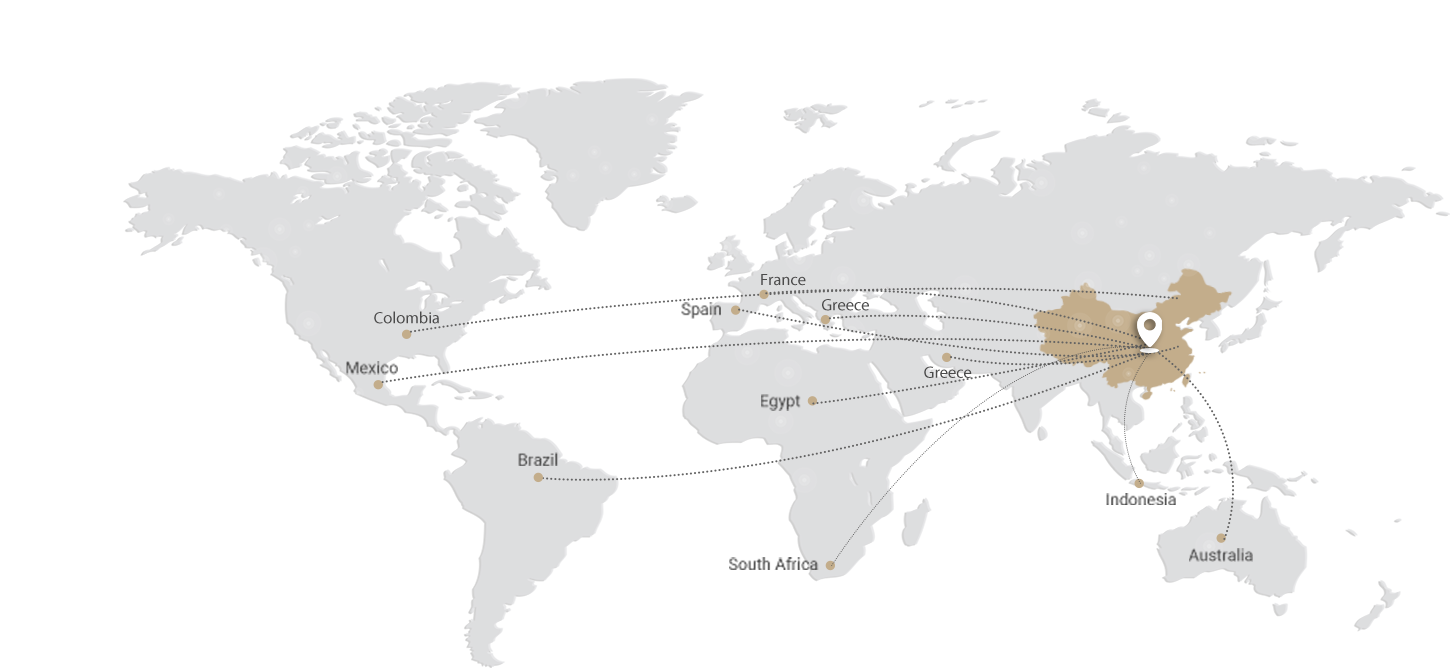
Entered 38 countries with 10 million+ equipment activations.
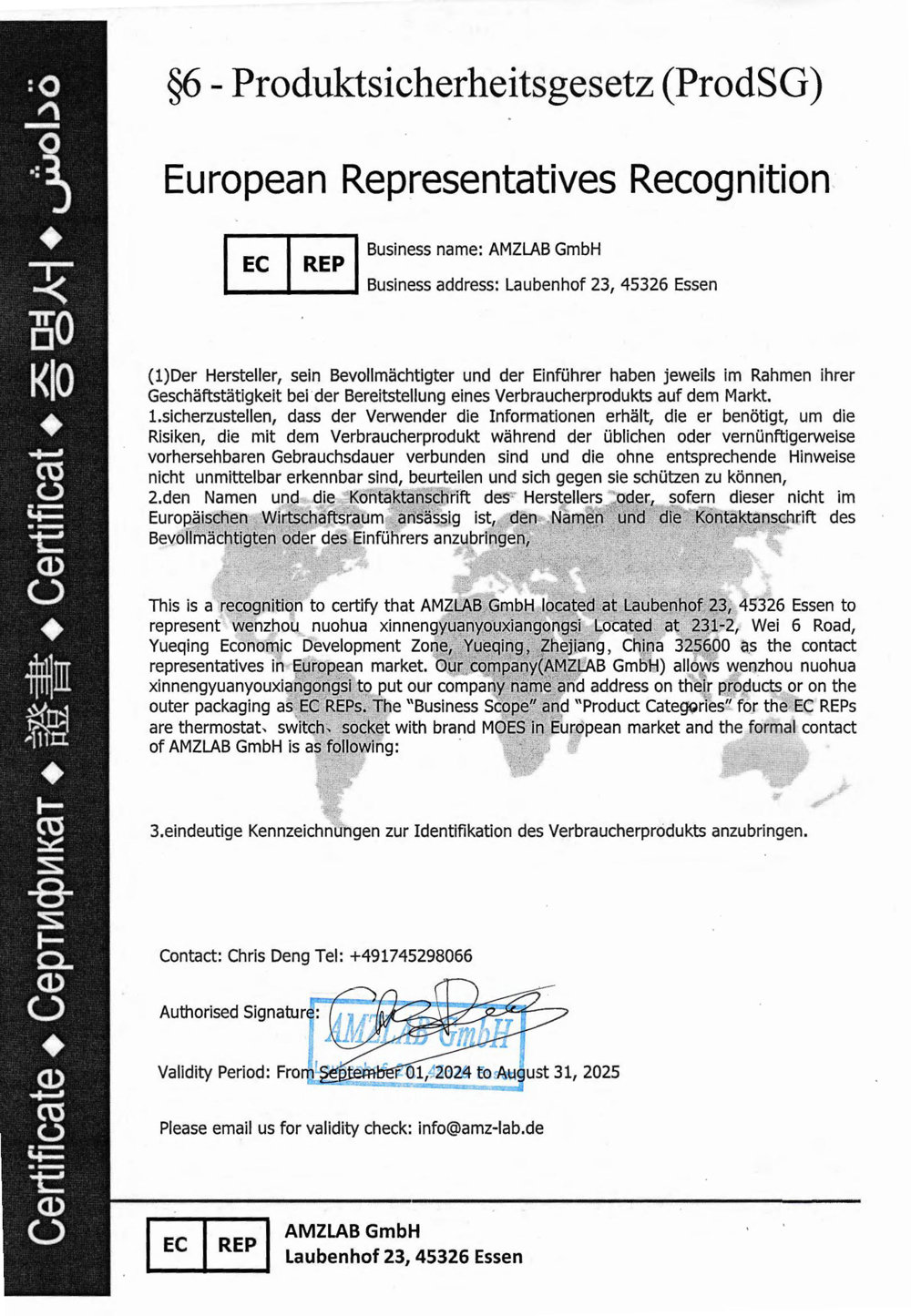
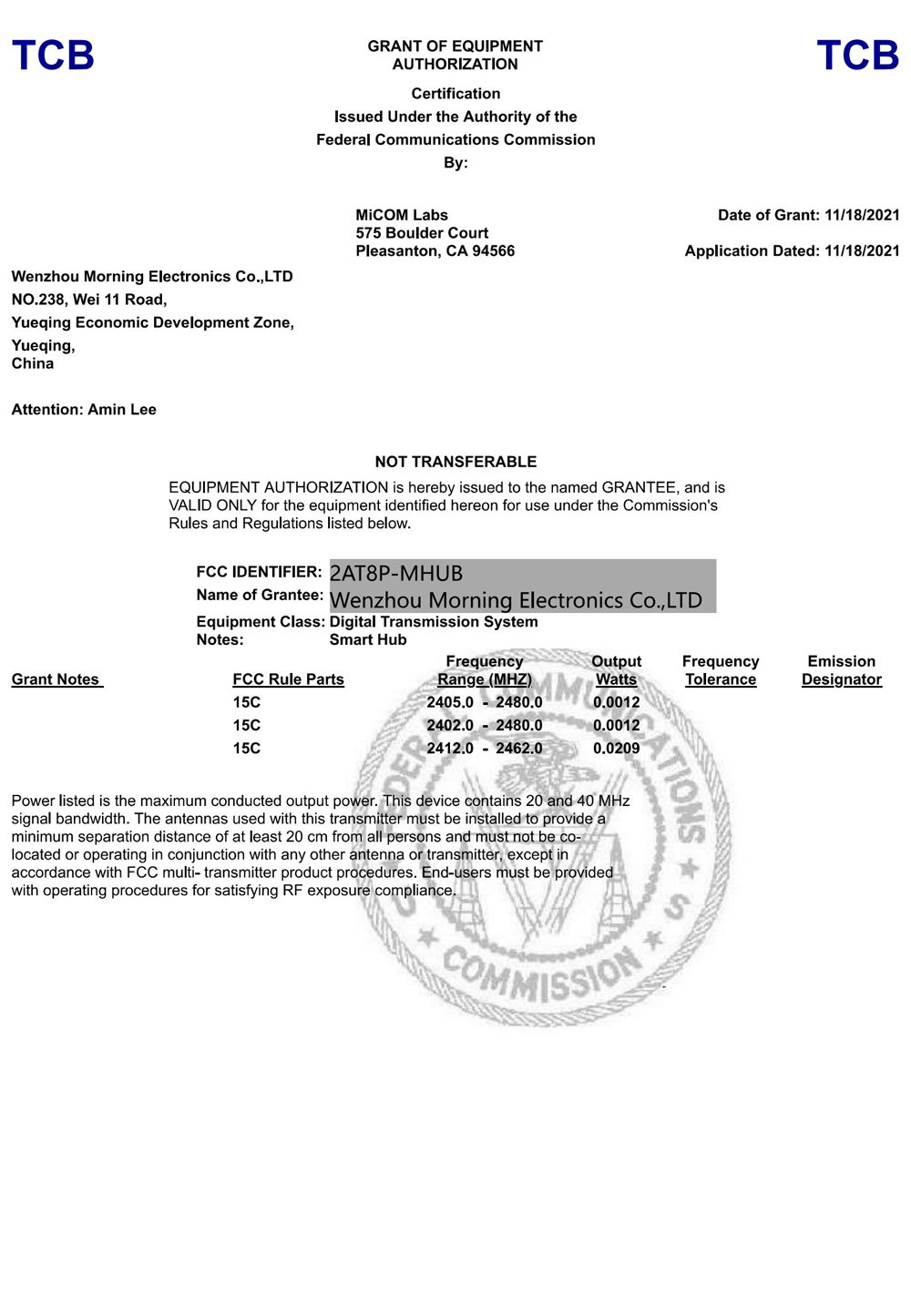
Partner with a leading factory experienced in the Japanese solar market requirements. Get high-quality, certified, and durable solar inverters today.
Send Inquiry Now NOVA New Energy