High-efficiency connection arrays and balancing controllers optimized for Latvia's transitioning grid infrastructure.
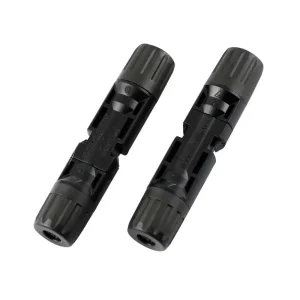
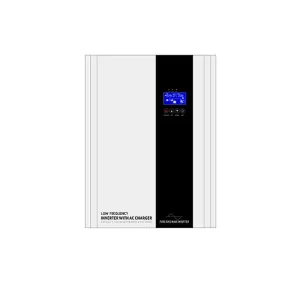
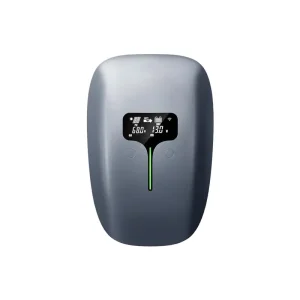
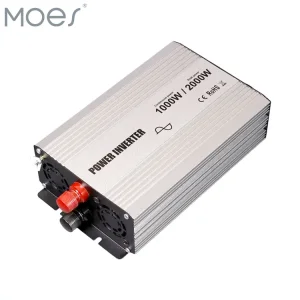
Latvia, alongside the neighboring Baltic nations, is executing a rapid transition toward energy independence and decarbonized electricity networks. Guided by the National Energy and Climate Plan (NECP 2030), Latvia aims to source at least 50% of its final energy consumption from renewable sources by 2030. The rapid growth of utility-scale solar farms in regions like Zemgale and Kurzeme, alongside decentralized residential PV installations, has created a surging demand for balance-of-system (BOS) components that can withstand the severe continental-maritime climate.
Unlike Western European climates, Baltic PV systems are exposed to heavy snow loading, dense freezing fog, and extreme seasonal temperature swings ranging from -30°C in winter to +35°C in summer. These environmental stressors lead to thermal cycling, causing physical expansion and contraction in PV cables and connectors. Substandard connectors quickly fail under these conditions, presenting high contact resistance, moisture ingress, or catastrophic arc faults. As a premier solar connector manufacturer, Wenzhou NOVA New Energy engineers connection systems with advanced materials and high-integrity sealing, ensuring long-term operational security for Latvian developers.
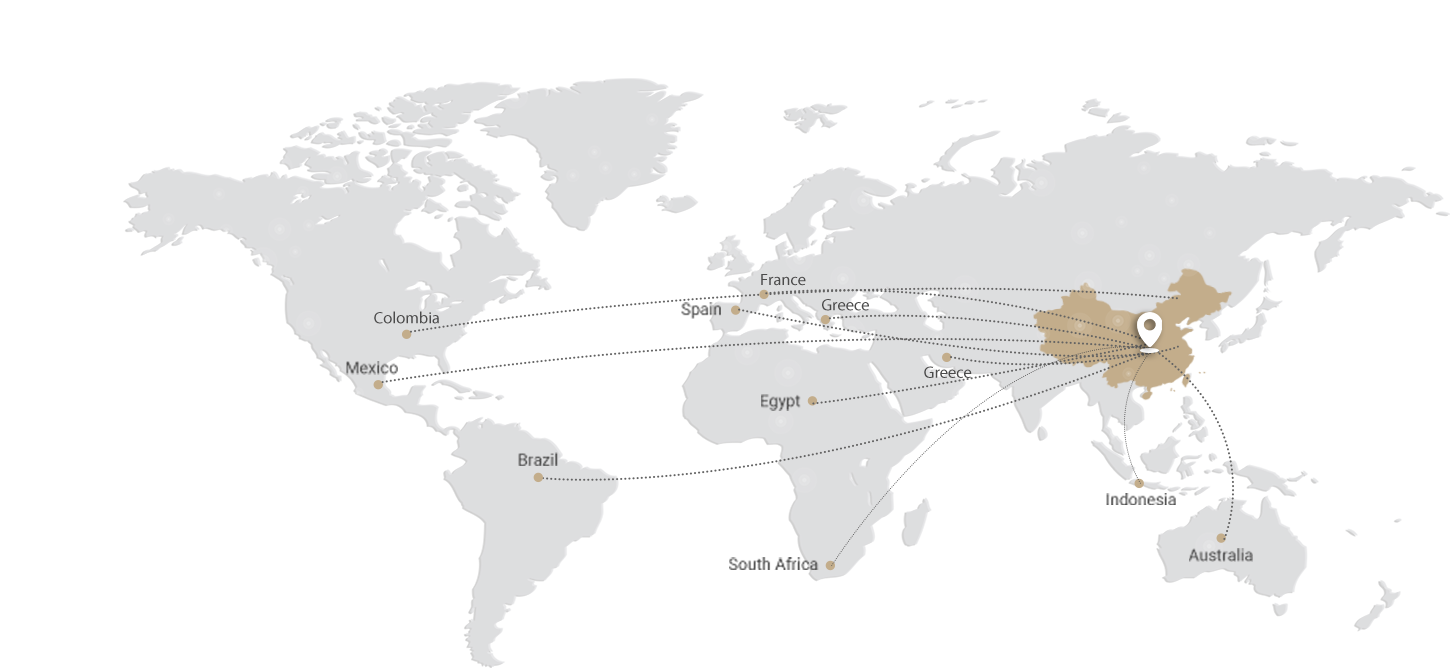
Understanding the engineering standards required to prevent degradation, electrical loss, and fire hazards in harsh climatic environments.
High contact resistance is the primary driver of heat accumulation and energy loss in utility-scale PV plants. Our solar connectors are engineered with tinned copper terminals, yielding a nominal contact resistance of <0.25 mΩ. This minimizes voltage drop and guarantees high system efficiency throughout the solar array's 25-year lifetime.
Baltic autumn rain and winter snowmelt demand high-integrity liquid seals. Equipped with double-sealing rings made of high-grade silicone, our connectors guarantee IP68 ingress protection. This prevents dust and pressurized moisture from reaching the electrical contacts, avoiding corrosion and ground insulation faults.
Using Polycarbonate (PC) and Polyphenylene Ether (PPO) insulating materials, our solar connector housings demonstrate exceptional UV stability and flame-retardant performance (UL94-V0). They operate reliably within an ambient temperature range of -40°C to +85°C, ensuring safety during hot Baltic summer days and sub-zero winters.
| Technical Characteristic | Standard Requirement (EN 50521) | NOVA Solar Connector Metric | Benefit to Latvian Operations |
|---|---|---|---|
| Rated Voltage | 1000V / 1500V DC | 1500V DC (Tested) | Supports long string configurations, reducing BOS costs. |
| Rated Current | Up to 30A (4mm²) / 45A (6mm²) | 30A / 40A / 45A | Prevents overheating when paired with high-current bi-facial panels. |
| Contact Material | Copper alloy, metallic plating | Copper, Tinned (Sn) | Resists oxidation from Baltic coastal humidity and salt mist. |
| Locking System | Snap-in (tool-release) | Integrated lock (Tool required to open) | Ensures compliance with EU safety directives for public/industrial areas. |
| Overvoltage Category | CAT III | CAT III / 2 | Withstands localized voltage surges from utility grid switching. |
Established in 2008 in Wenzhou, Zhejiang, China—the global epicenter for high-precision electrical and power equipment manufacturing—NOVA New Energy has evolved over 15 years into a leading national high-tech enterprise. Integrating R&D design, modern smart manufacturing, and global sales, we operate a 120,000 square meter intelligent manufacturing facility housing over 150 elite engineers and production experts.
Our complete industrial ecosystem spans Smart Solar Energy Systems (including smart inverters, charge controllers, and robust solar connection accessories) to state-of-the-art Tuya/Matter IoT Smart Home devices. Supported by highly automated surface-mount technology (SMT) lines and automated testing systems, NOVA guarantees outstanding product quality, structural durability, and high cost-efficiency for international markets.
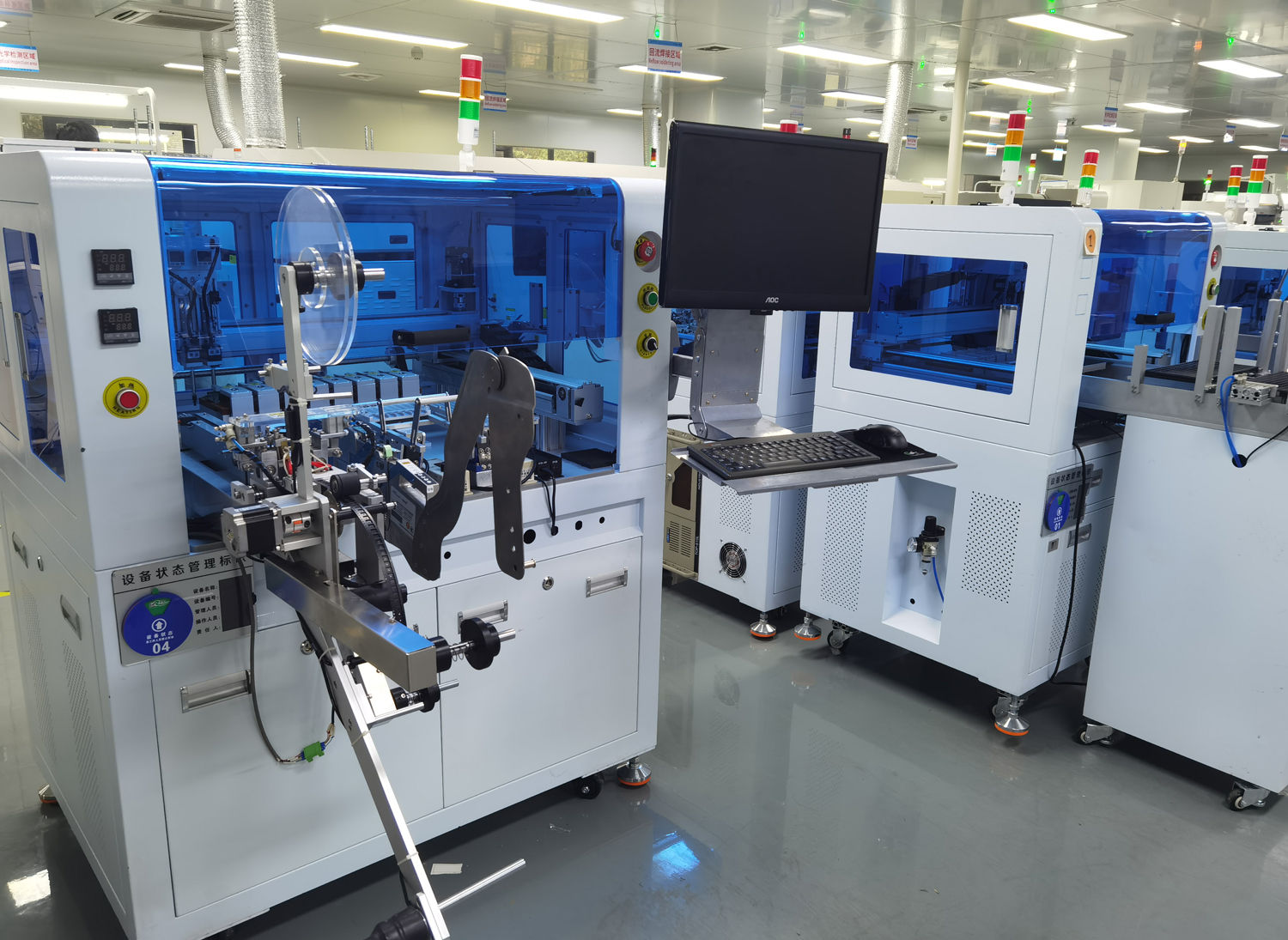
Leveraging Wenzhou's world-class electrical component supply chain to deliver high-quality, cost-competitive solar connectors to the Baltic market.
Our Zhejiang production base integrates the complete manufacturing value chain under one roof, from precision copper stamping and injection molding of PPO casings to automatic automated cable assembly and electrical performance testing. This reduces production lead times and limits intermediate shipping delays, ensuring high component quality.
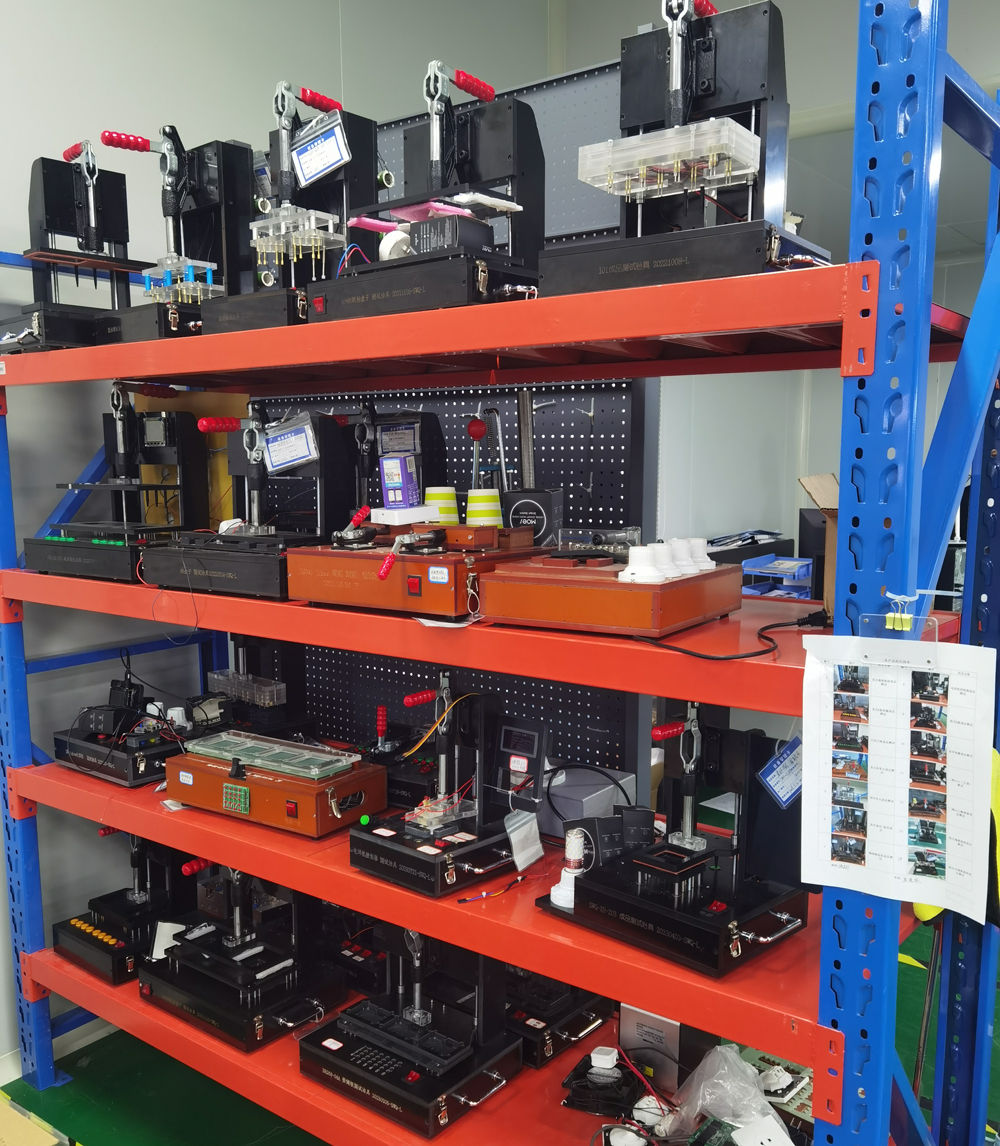
Every solar connector undergoes rigorous automated testing, including contact resistance validation, mechanical pull-out tests, and high-voltage insulation tests. Our facility is ISO9001 certified, and our products carry certifications like CE, RoHS, TUV, and UL, guaranteeing compliance with European safety standards.
Located near major deep-water ports like Ningbo and Shanghai, NOVA coordinates smooth shipping lanes directly to the Baltic. We offer customizable logistics, accommodating full-container loads (FCL) for large utility projects in Riga or smaller, regional shipments for local installers.
For Baltic developers and EPC contractors, conforming to local regulatory standards is non-negotiable. Our complete line of solar connectors complies with European standard EN 50521 (Connectors for photovoltaic systems), as well as safety and environmental directives such as CE, RoHS, and TUV. This ensures straightforward project approval with Sadales Tīkls (Latvia's distribution system operator) and local building authorities.
Additionally, Wenzhou NOVA provides direct OEM/ODM customization options for Latvian distributors. This includes customized cable lengths, pre-assembled harness systems, and custom packaging designed to simplify onsite installation and reduce labor costs for system builders.
Technical clarifications regarding the specification, installation, and operation of solar connectors in Baltic environments.
Our connectors are molded from premium PPO/PC materials, which maintain high elasticity and mechanical strength down to -40°C. Unlike cheaper ABS-blend alternatives that become brittle and crack under sub-zero conditions, our connectors prevent moisture ingress and mechanical failures during severe Baltic winter freeze-thaw cycles.
Yes. Our MC4 4-6mm² series connectors feature industry-standard dimensions that ensure mechanical and electrical compatibility with standard MC4-type connectors. However, for maximum current efficiency and protection against thermal mismatch, we recommend using matched NOVA pairs across the same circuit strings.
All solar connection components from Wenzhou NOVA are certified in accordance with CE, RoHS, and TUV standards, aligning with European Union LVD (Low Voltage Directive) and EMC regulations. Test certificates are available upon request to assist with utility interconnection submissions.
Yes. Our factory supports direct OEM requests. We can pre-crimp solar connectors onto copper PV cables of customized lengths (e.g., 4mm², 6mm², or 10mm²), reducing installation times on site for Baltic commercial solar arrays.
High-reliability modules, wireless switches, and environmental sensors for residential and commercial installations in Latvia.
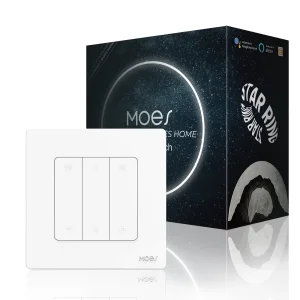
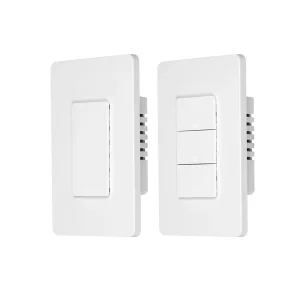
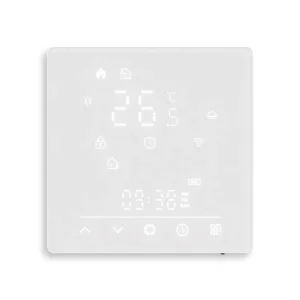
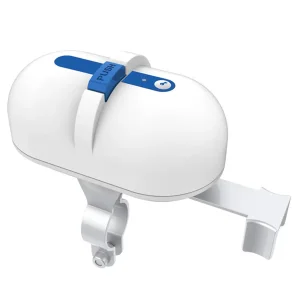
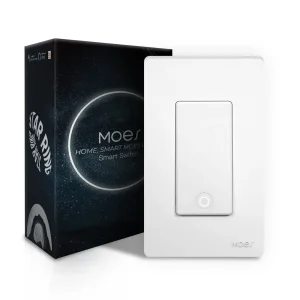
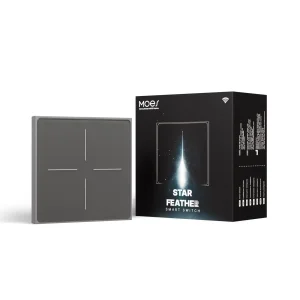
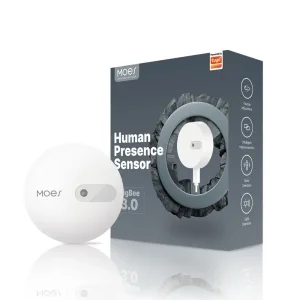
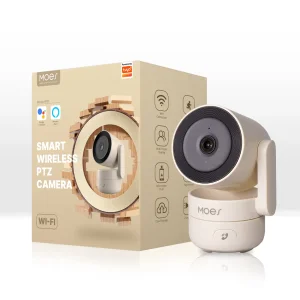
How our solar connectors and smart components interface with modern smart home automation systems (IoT).
Looking ahead, solar infrastructure requires intelligent balance-of-system (BOS) components. At Wenzhou NOVA New Energy, we are aligning solar connector engineering with the expansion of residential and commercial smart microgrids. By combining high-voltage connectors, high-efficiency MPPT controllers, and low-frequency hybrid inverters, we build integrated energy ecosystems that optimize performance and minimize power loss.
In Latvia's residential sector, this integration enables smart grid balancing. Solar energy captured through reliable, weather-proof connector arrays is distributed by hybrid inverters, regulated by smart thermostats, and managed based on ambient temperatures and building occupancy. Integrating solar technology with home automation systems (ZigBee, WiFi, and Matter protocols) helps Baltic homeowners and commercial operators reduce utility energy costs and optimize solar asset investments.
 NOVA New Energy