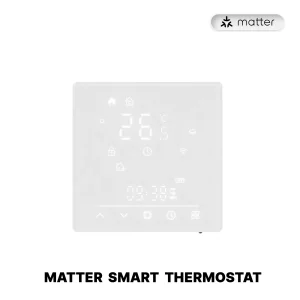
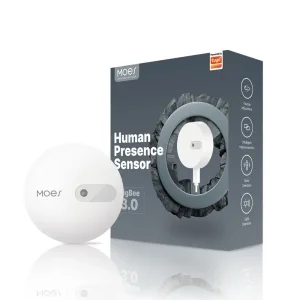
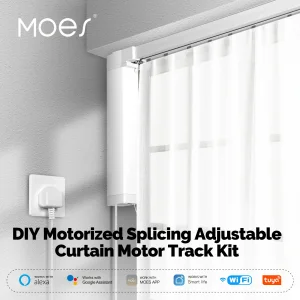
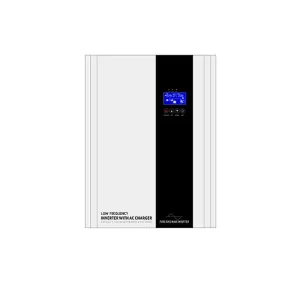
Engineered for high temperature, high humidity, and complex grid conditions, these four systems provide localized energy resilience.
Dominica, widely recognized as the "Nature Island of the Caribbean," is currently undergoing a massive green energy transformation. However, local businesses and residential developments encounter severe hurdles regarding energy security. Dependent on imported diesel, grid electricity tariffs from DOMLEC (Dominica Electricity Services) remain among the highest in the world, regularly fluctuating due to fuel adjustments and surcharges.
Compounding high costs is the constant threat of extreme weather events, such as hurricanes. After Category 5 disasters devastated the island's central distribution grids in recent years, decentralized microgrids equipped with robust off-grid solar inverters emerged as the standard infrastructure for survival and business continuity.
For resorts, agricultural processing facilities, and infrastructure developers in Roseau, Portsmouth, and across the island, installing off-grid systems with heavy-duty inverters is no longer optional. It is the most reliable methodology to ensure stable, clean, and cost-effective power under coastal climatic conditions.
Off-grid systems completely bypass utility surcharges, delivering a fixed, predictable cost of ownership over a 25-year lifecycle.
Decentralized microgrid arrays isolate critical loads during natural disasters, guaranteeing operation even if the utility grid is offline for weeks.
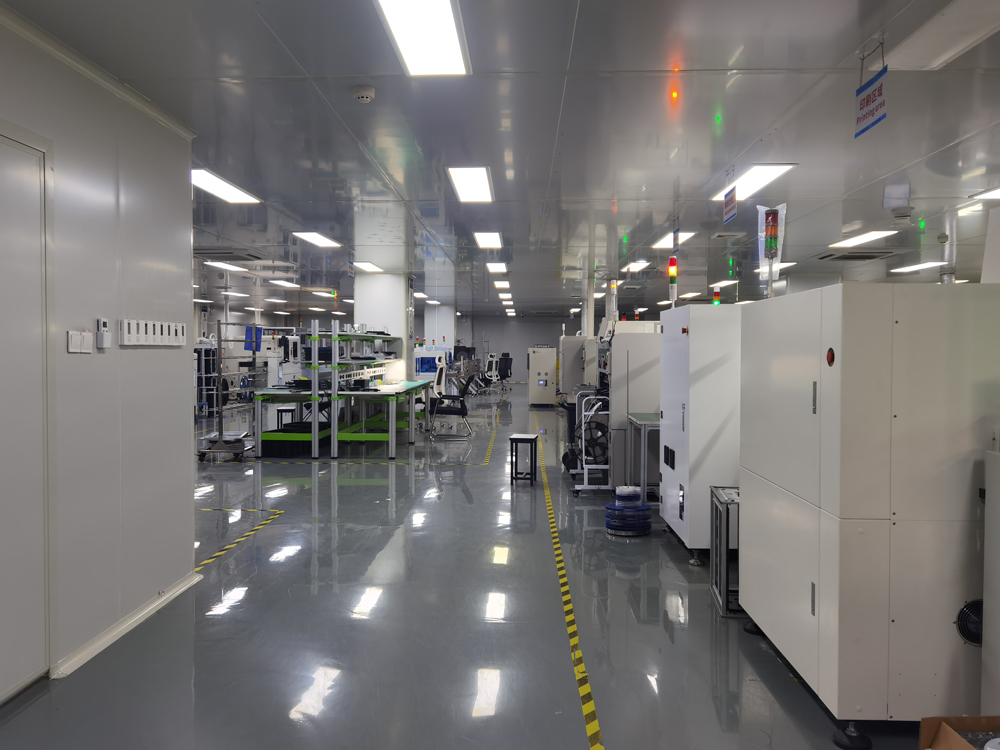
Wenzhou NOVA New Energy Co., Ltd. was established in 2008 and is headquartered in Wenzhou, Zhejiang, the birthplace of China's private economy. After fifteen years of innovation and development, our company has developed into a national high-tech enterprise integrating R&D design, intelligent manufacturing and global marketing. At present, there are 3 branches across the country, with a 120,000 square meter modern intelligent manufacturing base, gathering more than 150 professional talents, forming a complete industrial ecological chain covering Solar New Energy and Smart Home fields.
Driving technological progress with mature R&D divisions and rigorous quality validation schemes.
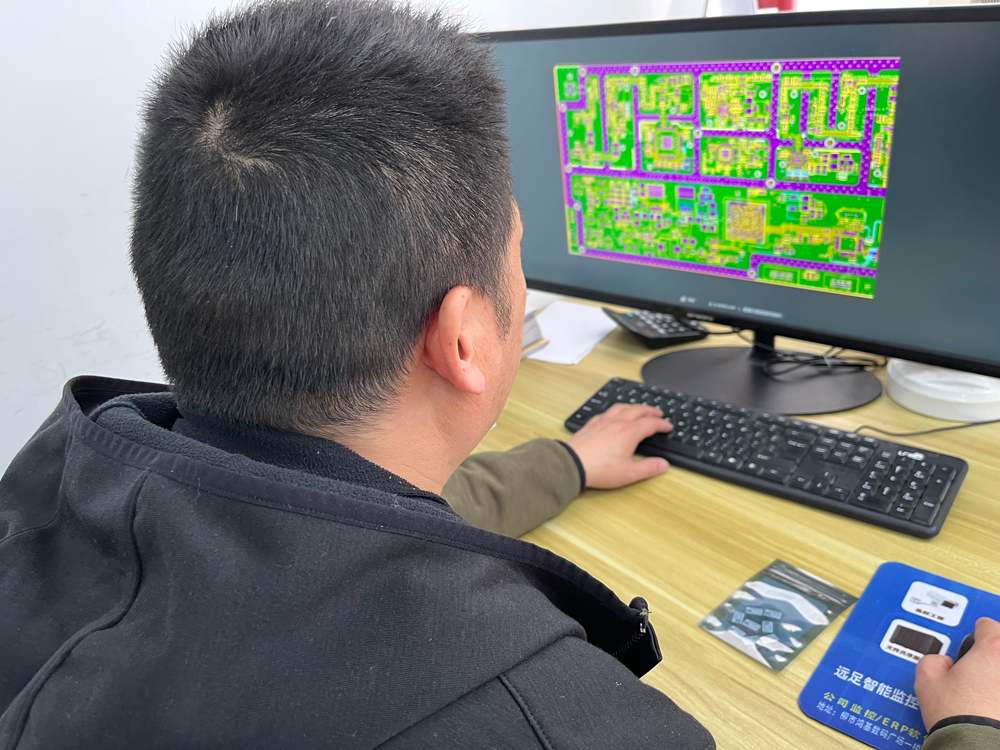
We have built a mature R&D system with senior engineers, and continue to deepen solar product innovation and smart home IoT technology, tailoring configurations to severe coastal maritime environments.
The intensity of our R&D investment has increased by 20% annually, yielding more than 50 national patents. Our innovation cycle brings newer, safer off-grid products to market faster.
Our technological innovation ability ranks among the top in the industry, focused on hybrid inverter thermal physics, high-speed switching ATS, and cross-protocol (Matter/Zigbee) automation gateways.
High performance solar hardware certified to meet local structural and safety requirements in Dominica.
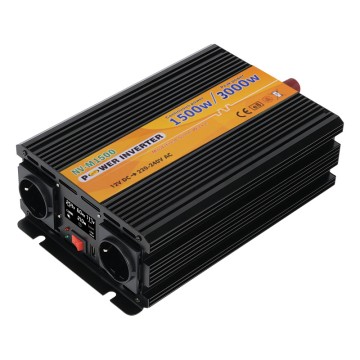
Cost-effective power conversion for basic lighting, resistives, and small appliances in rural Dominica cottages.
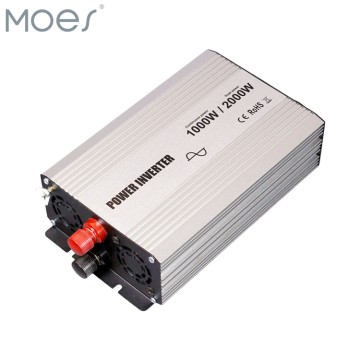
Clean wave energy output for sensitive medical devices, scientific monitoring stations, and premium audio-visual equipment.
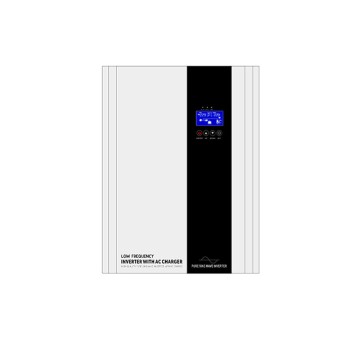
Built with massive copper transformers to handle severe inductive startup spikes from pumps, freezers, and air conditioners.
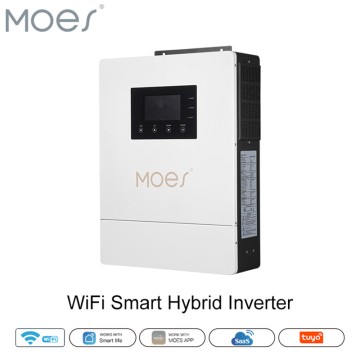
Next-generation smart inverter allowing cloud-based telemetry, dynamic load shifting, and smartphone configurations.
Deploying photovoltaic systems in Dominica introduces distinct engineering challenges that standard off-the-shelf inverters fail to survive. Technical specifiers and procurement managers must pay attention to the following design requirements:
High ambient relative humidity paired with salt-laden sea air accelerates galvanic corrosion on circuit paths. NOVA's manufacturing applies thick conformal coating on PCBs, isolating electrical pathways from the atmosphere to avoid premature failure.
Off-grid locations in Dominica often rely on water wells, localized farming irrigation pumps, and refrigeration. Low-frequency inverters, utilizing toroidal transformers, manage starting power surges up to 300% of their rated capacity without failing.
Tropical temperatures degrade electronic components. NOVA inverters feature oversized heatsinks combined with intelligent, dual ball-bearing cooling fans configured to activate dynamically based on load and internal thermistor readings.
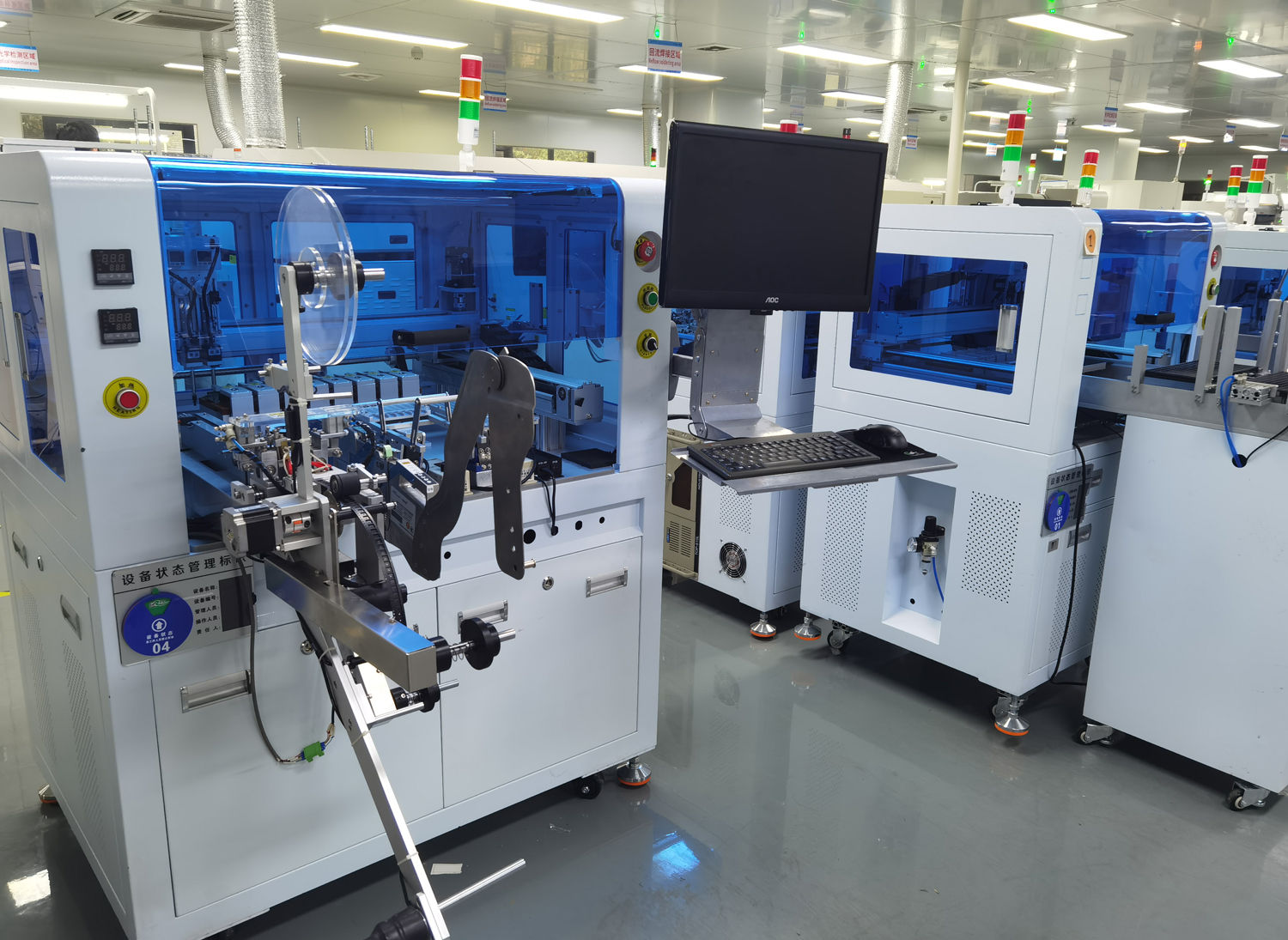
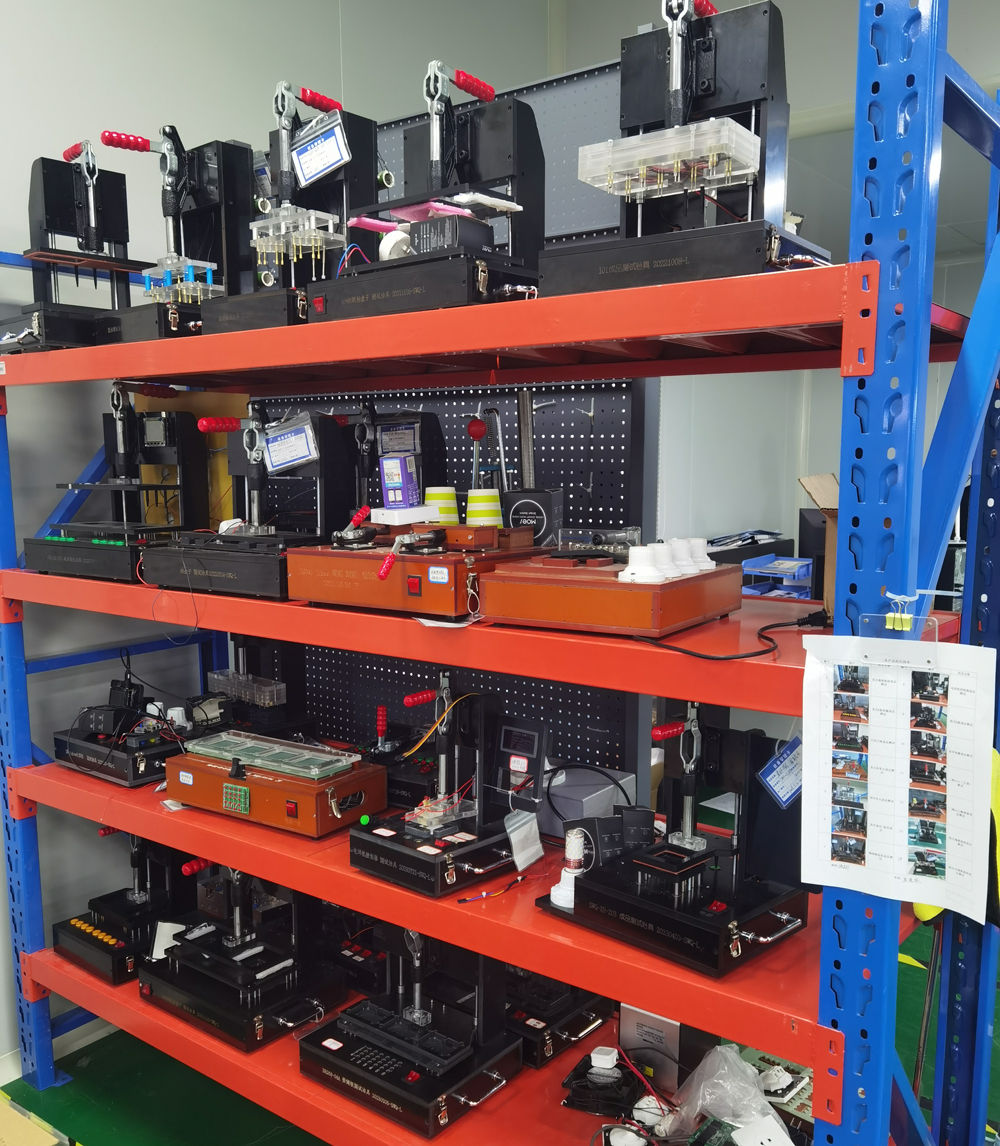
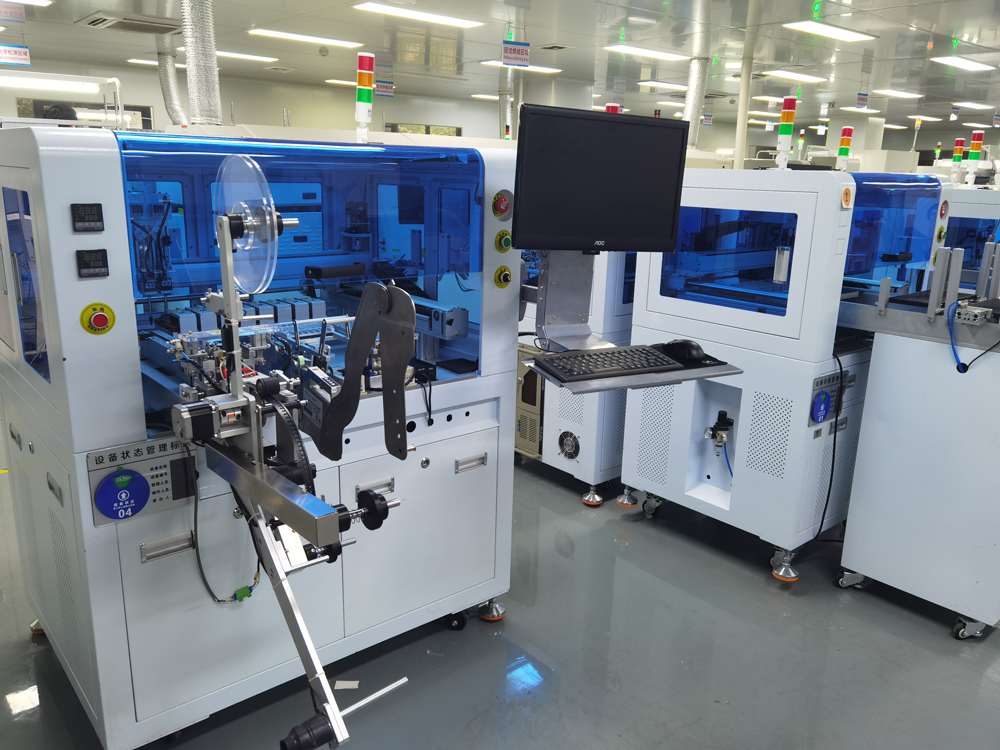
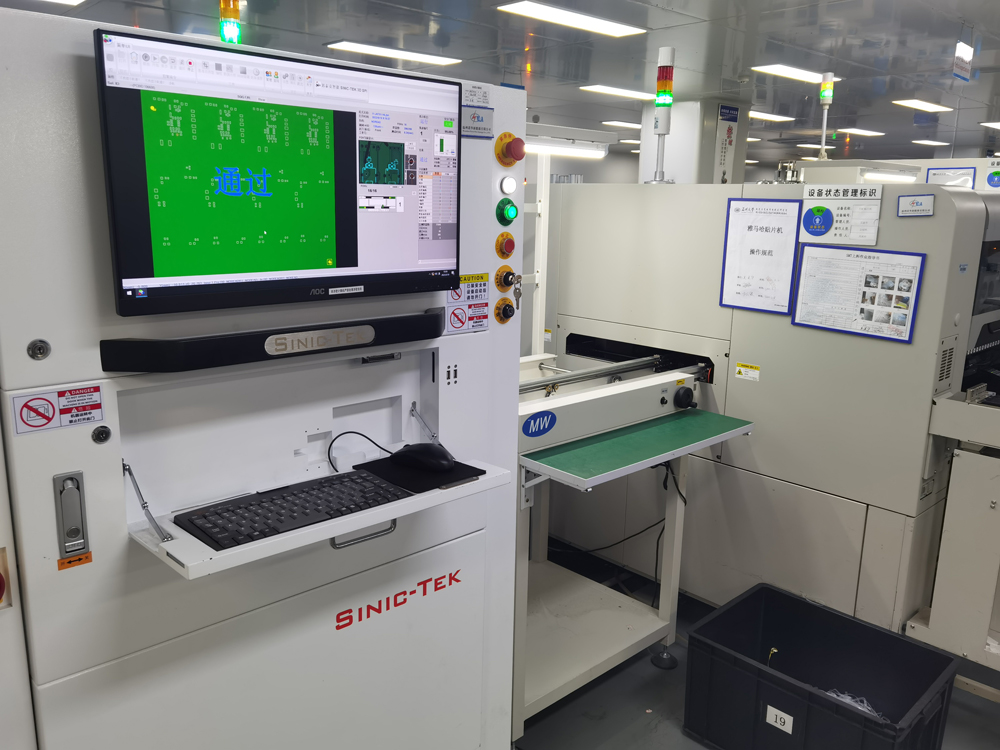
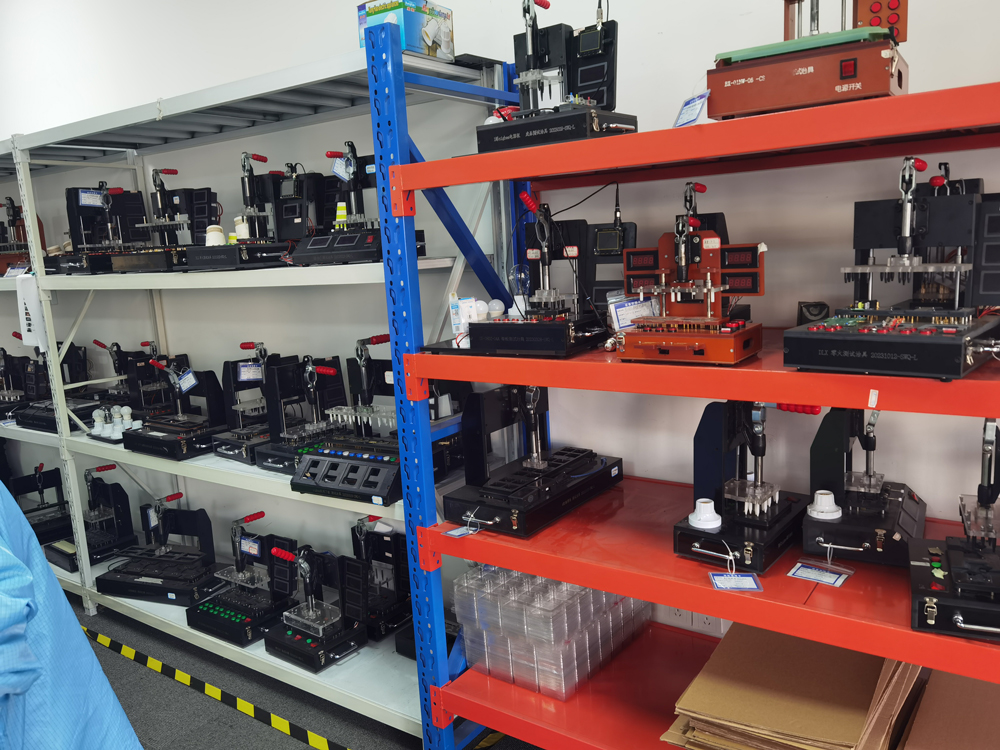
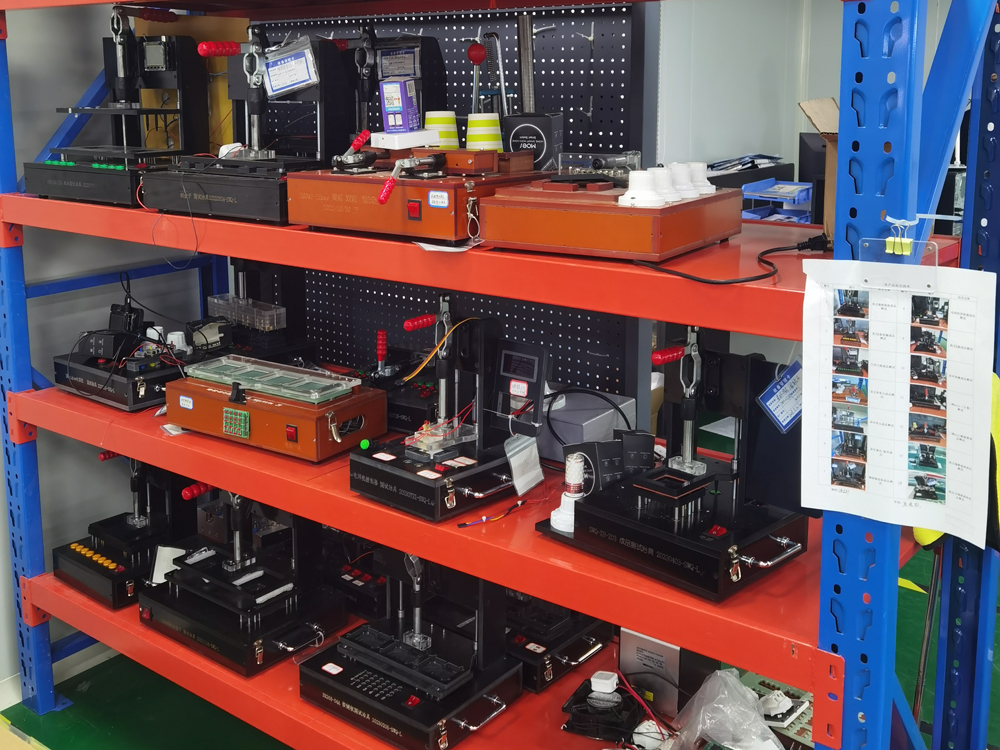
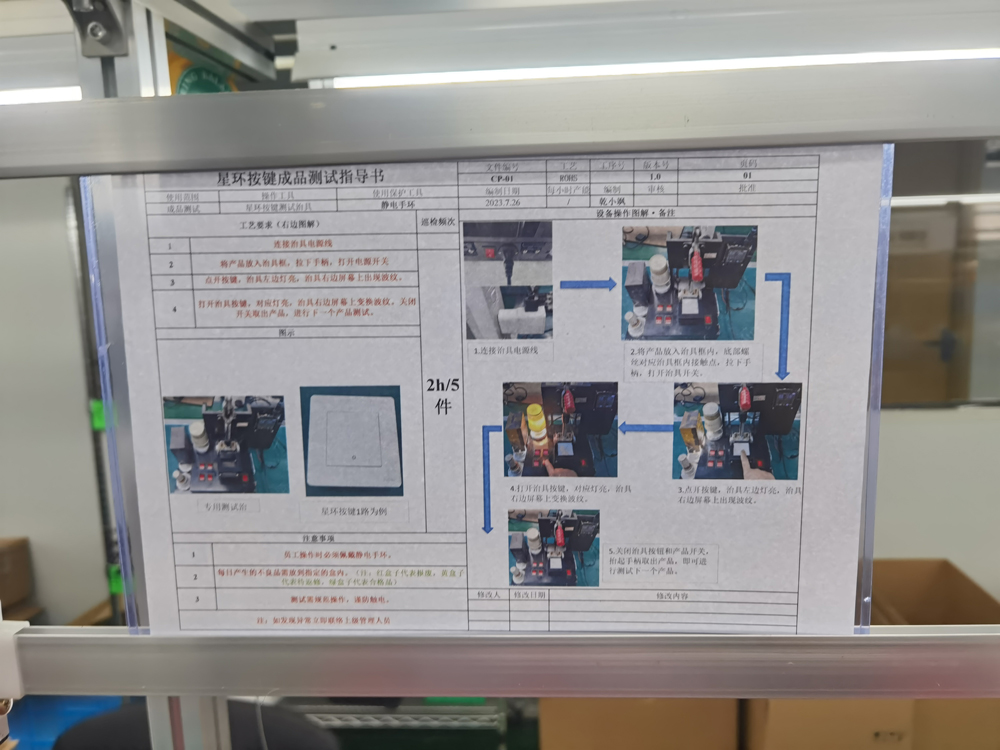
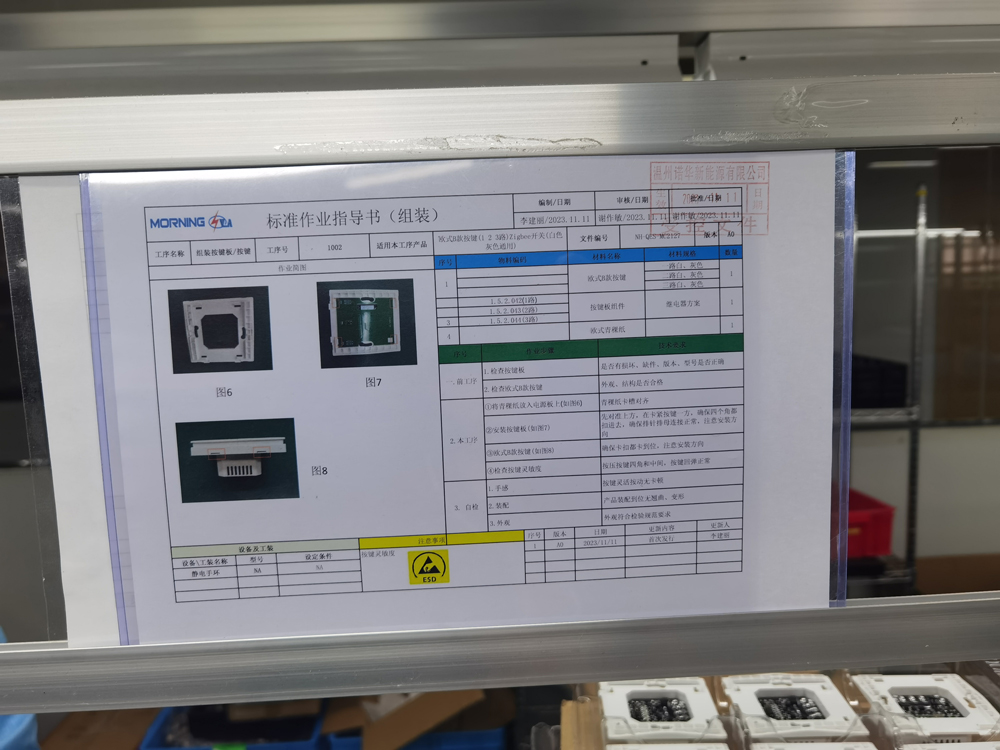
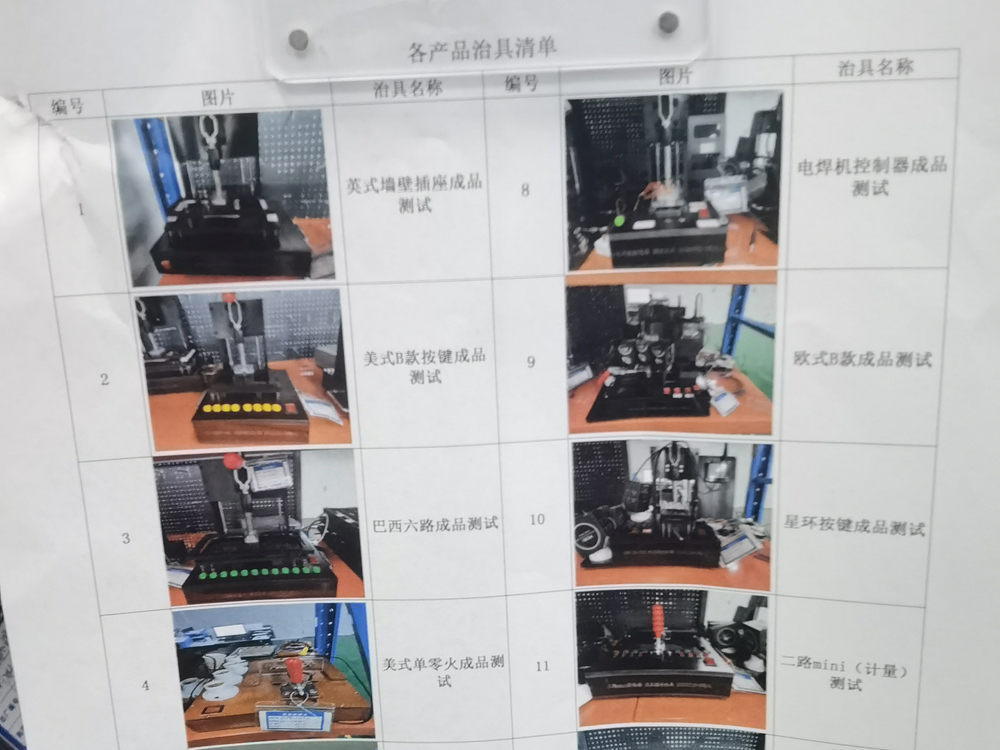
Relying on fully automatic SMT production lines and normalized testing systems, we have built a complete, highly reliable product ecosystem. Our manufacturing base ensures that each inverter and smart switch undergoes rigorous automated optical inspection (AOI) and function tests.
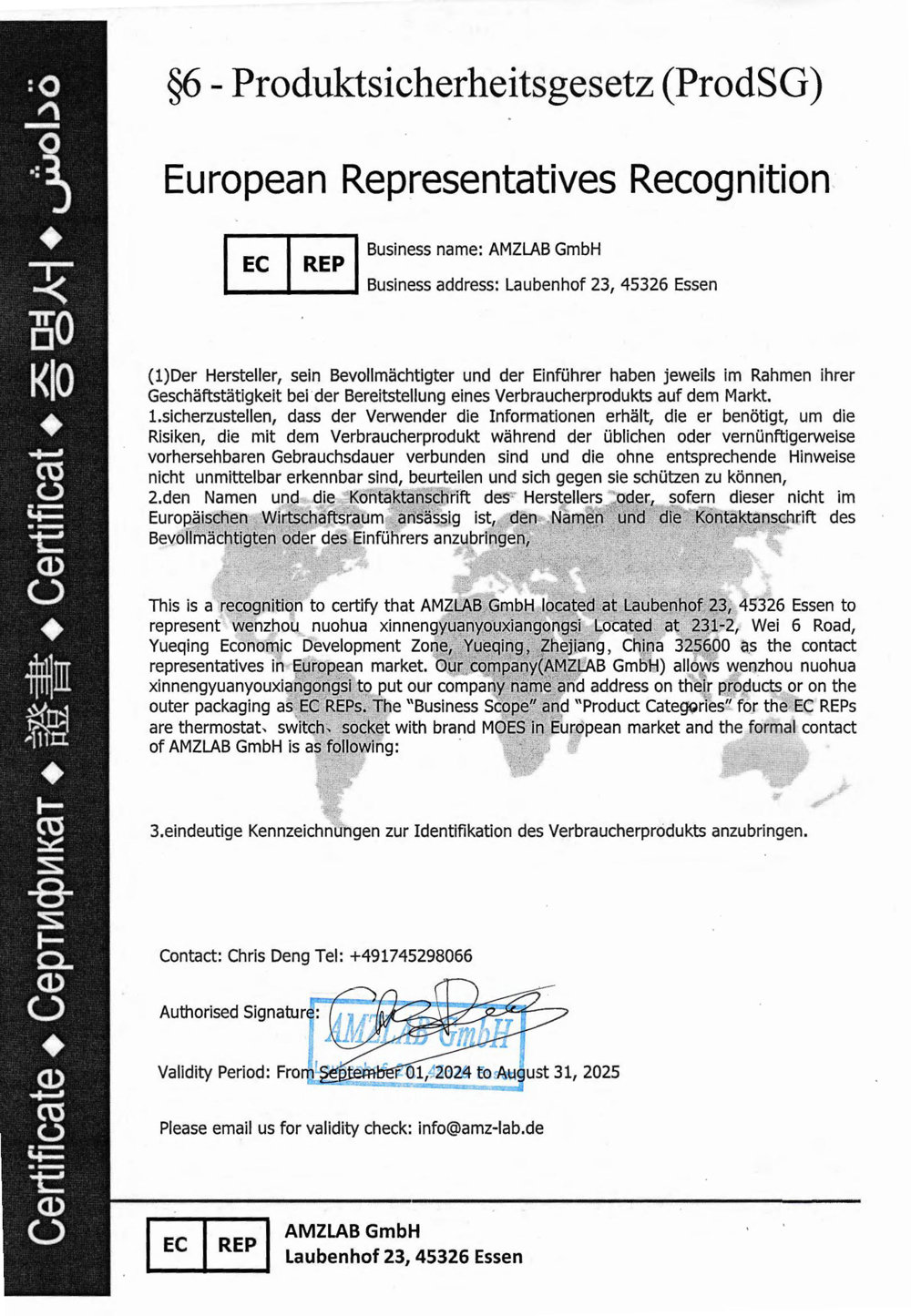
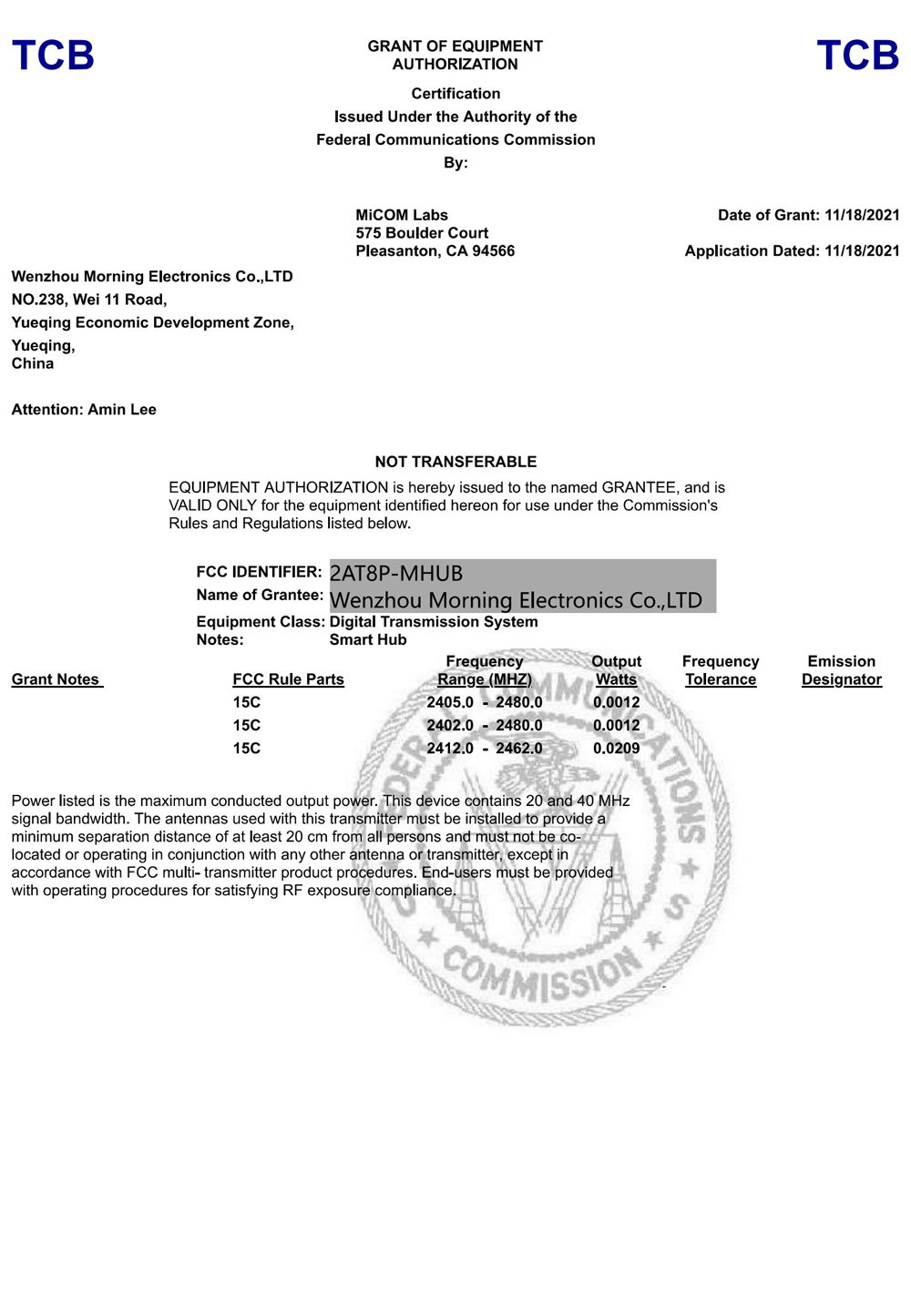
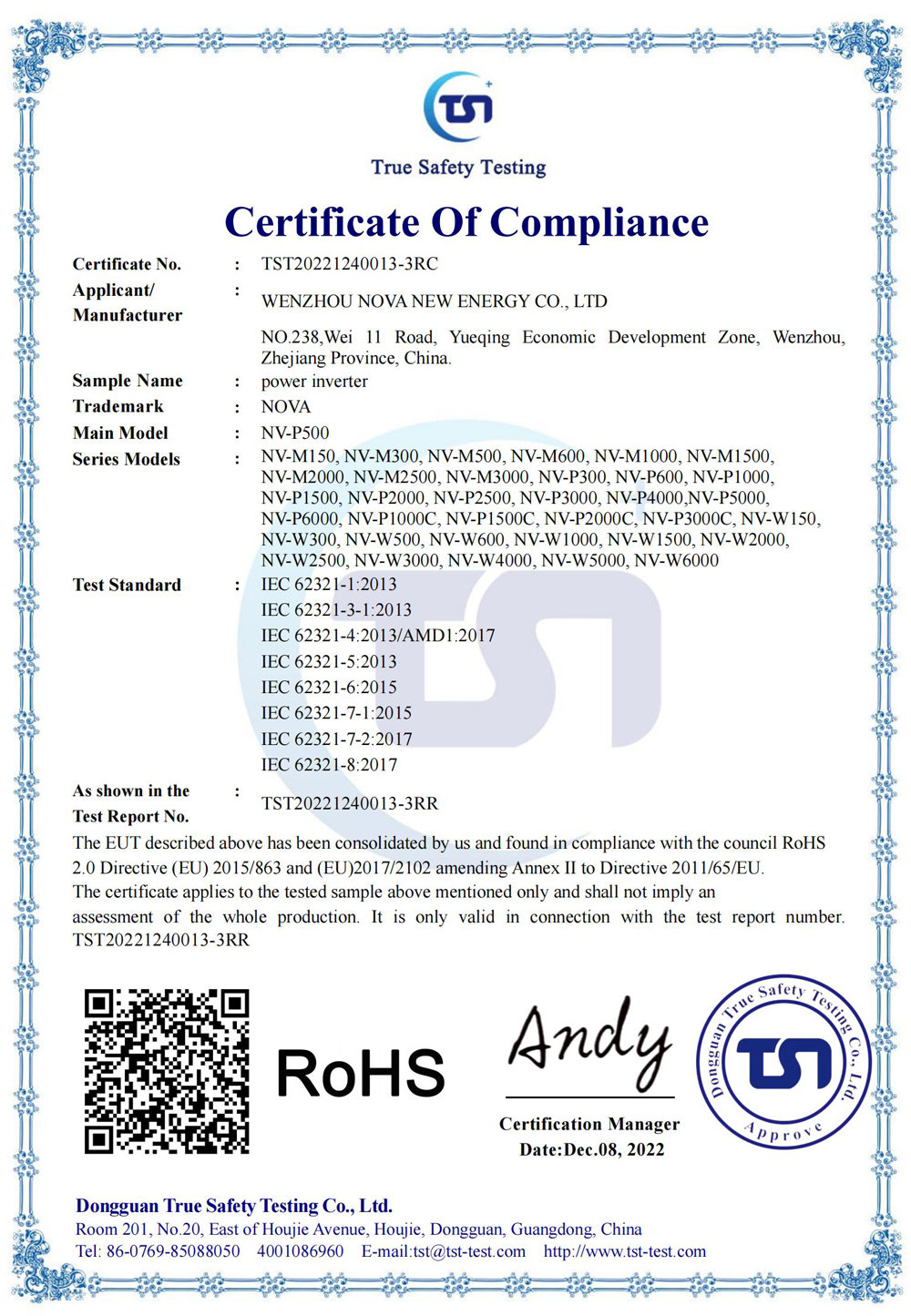
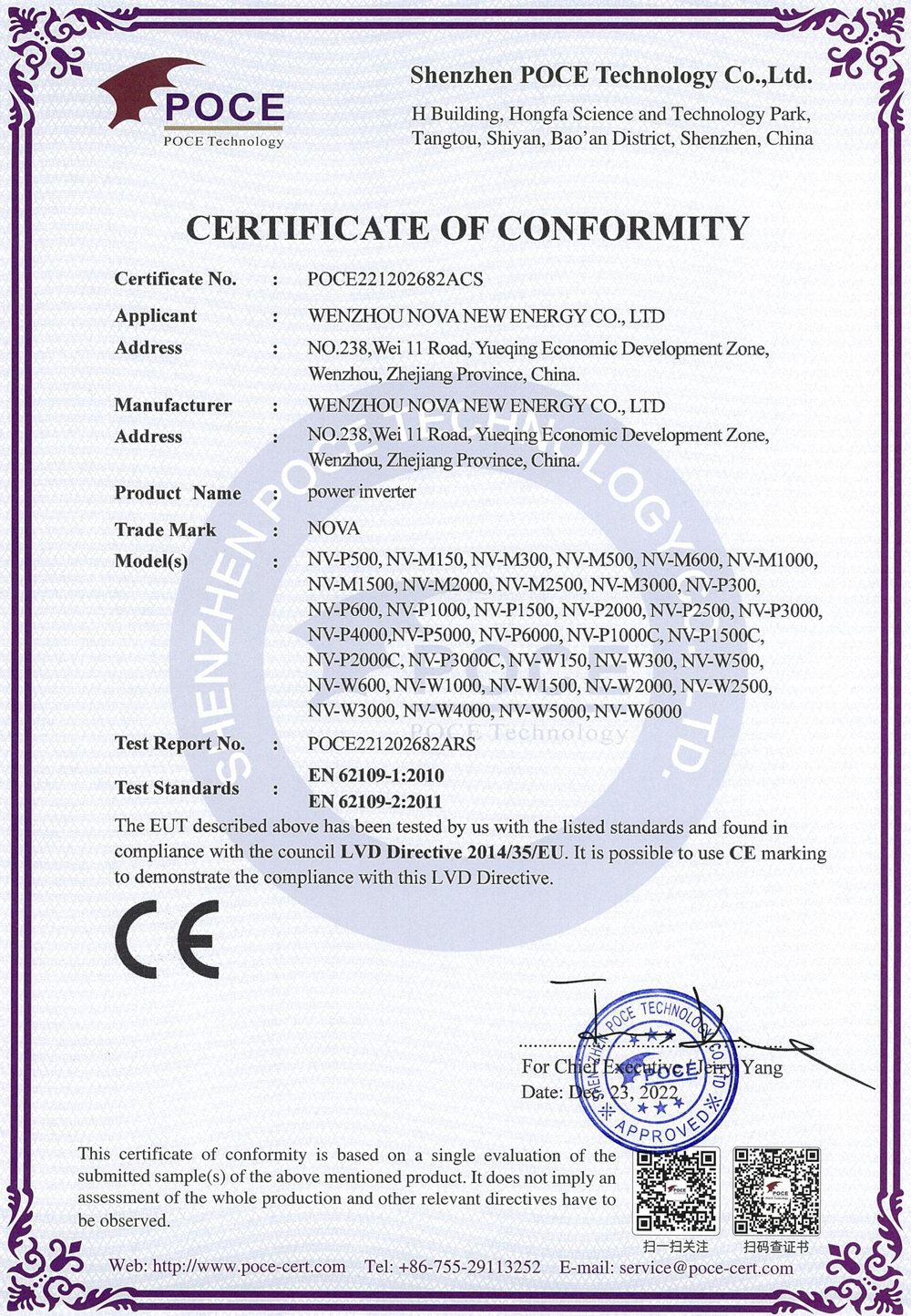
The core products have passed 15 international authoritative certifications such as CE, RoHS, FCC, TUV, ETL, UL, and BSCI. Additionally, our manufacturing systems are certified to ISO9001 standards, ensuring double quality assurance and safety compliance for global engineering projects.
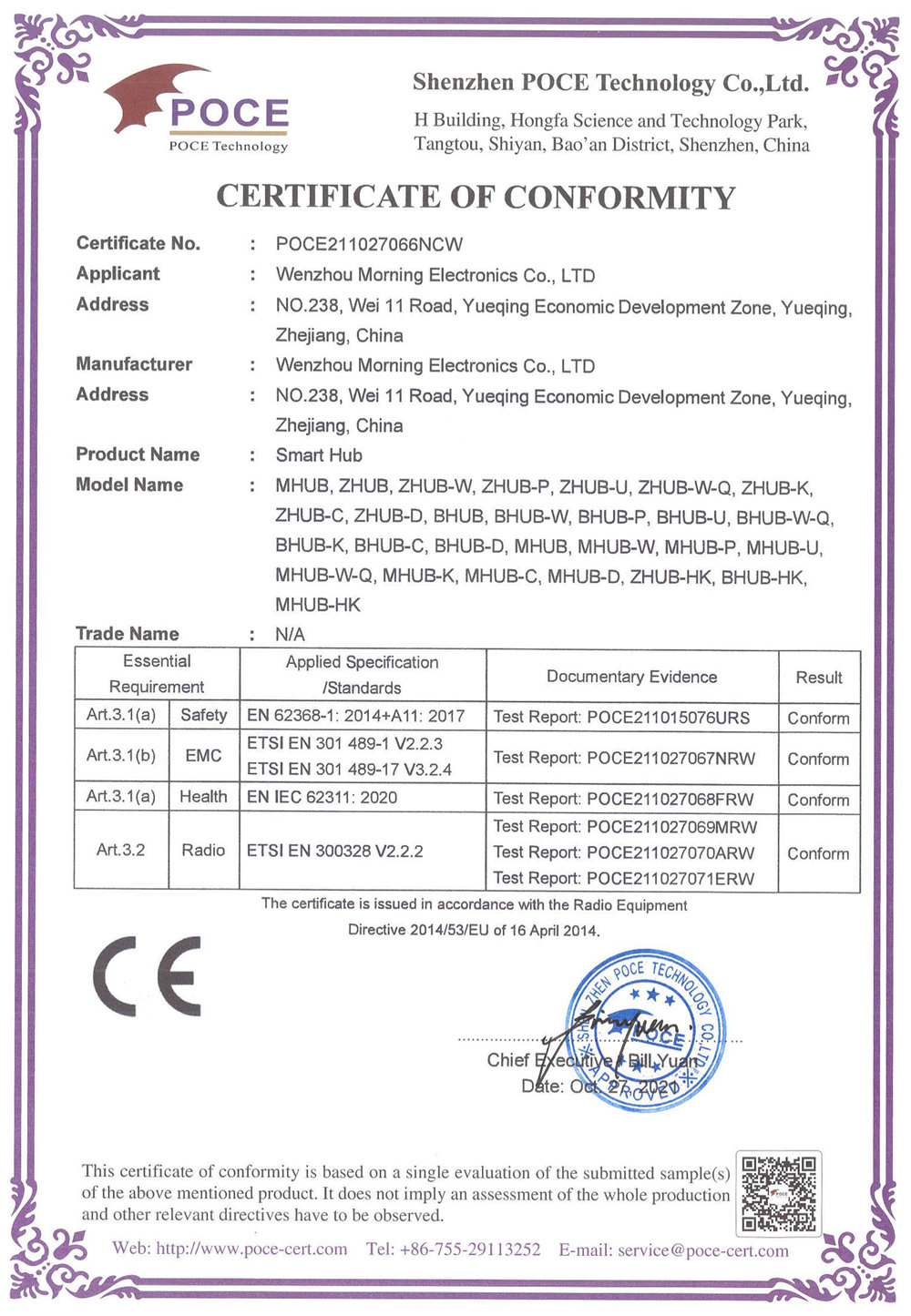
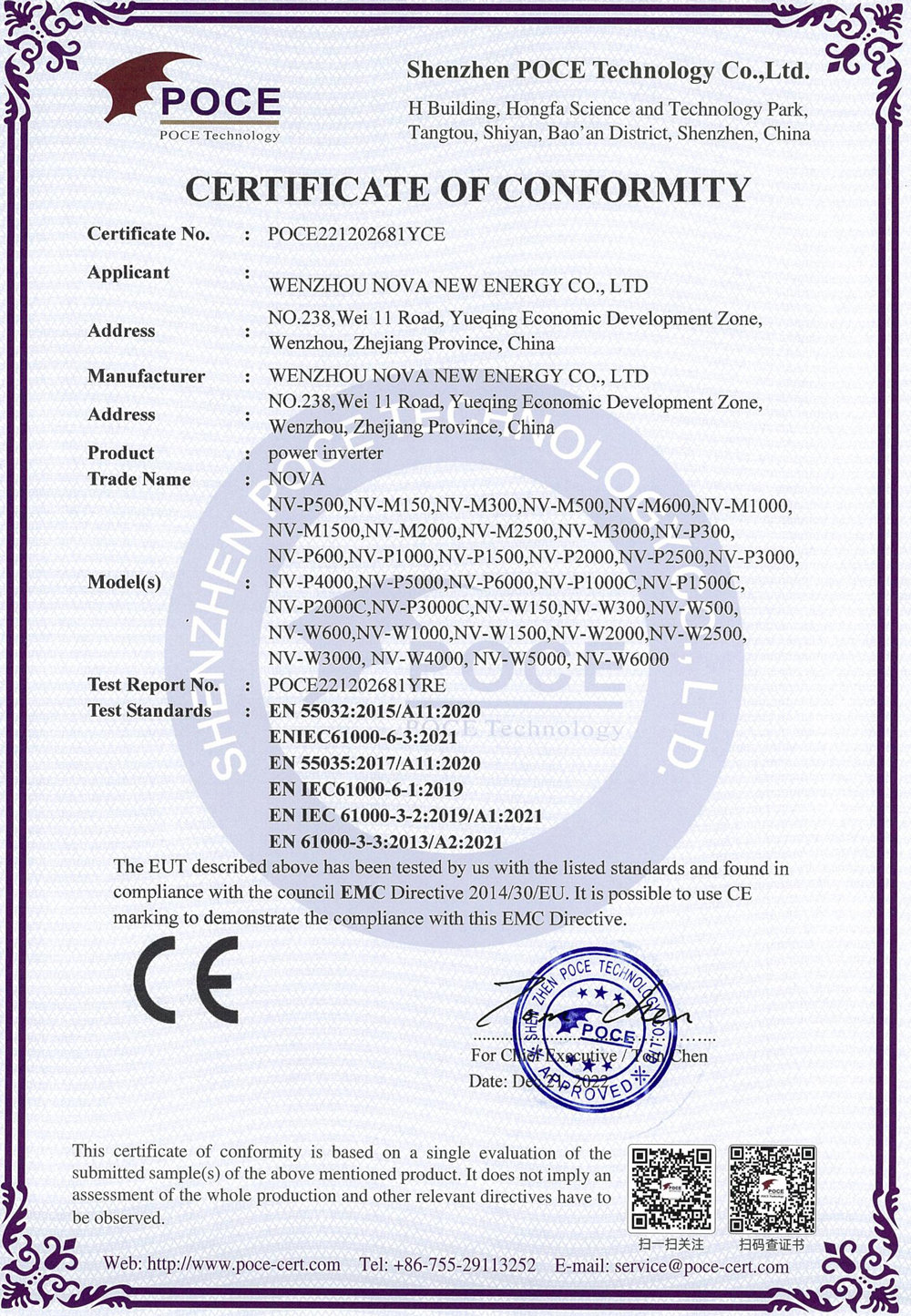
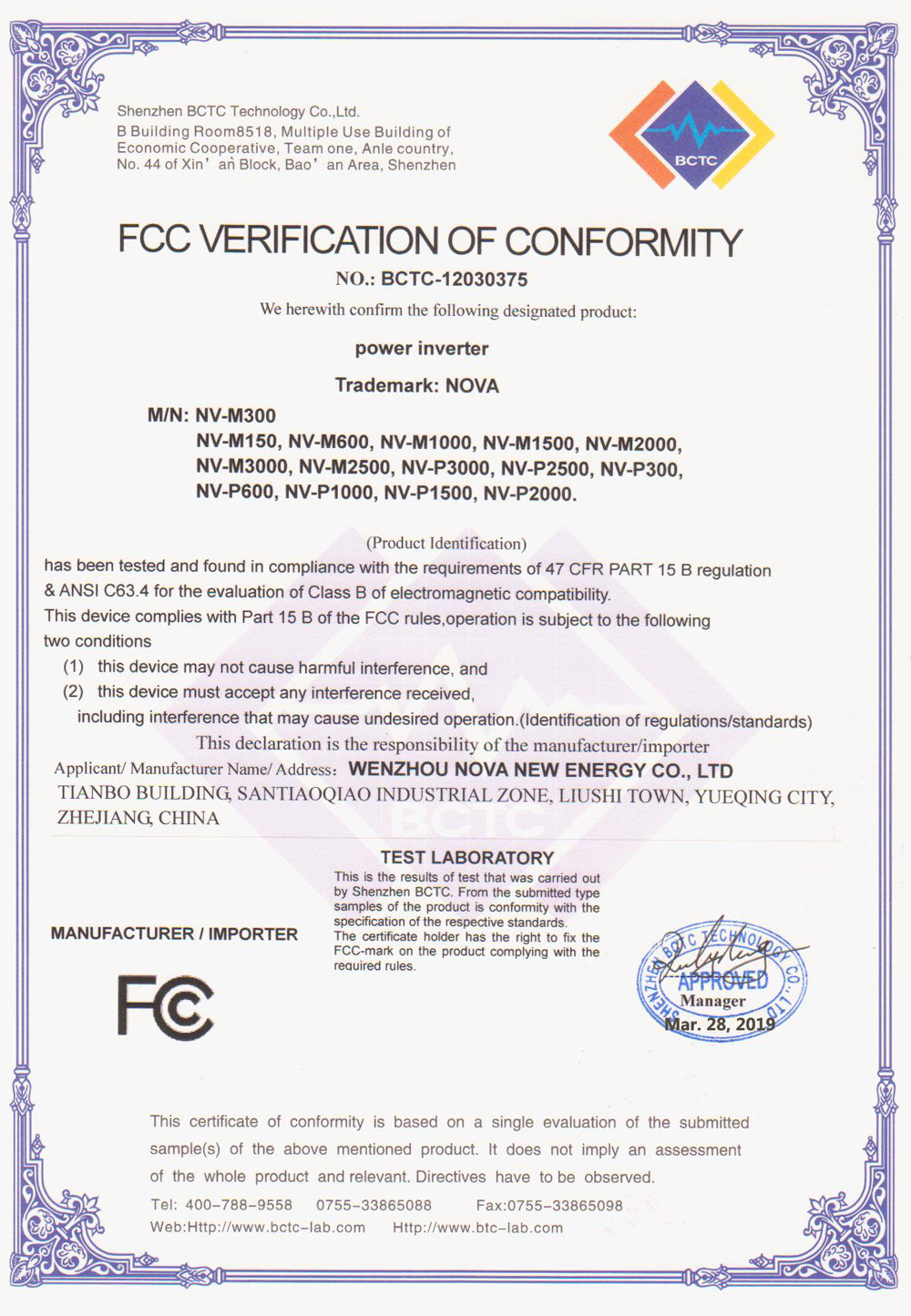
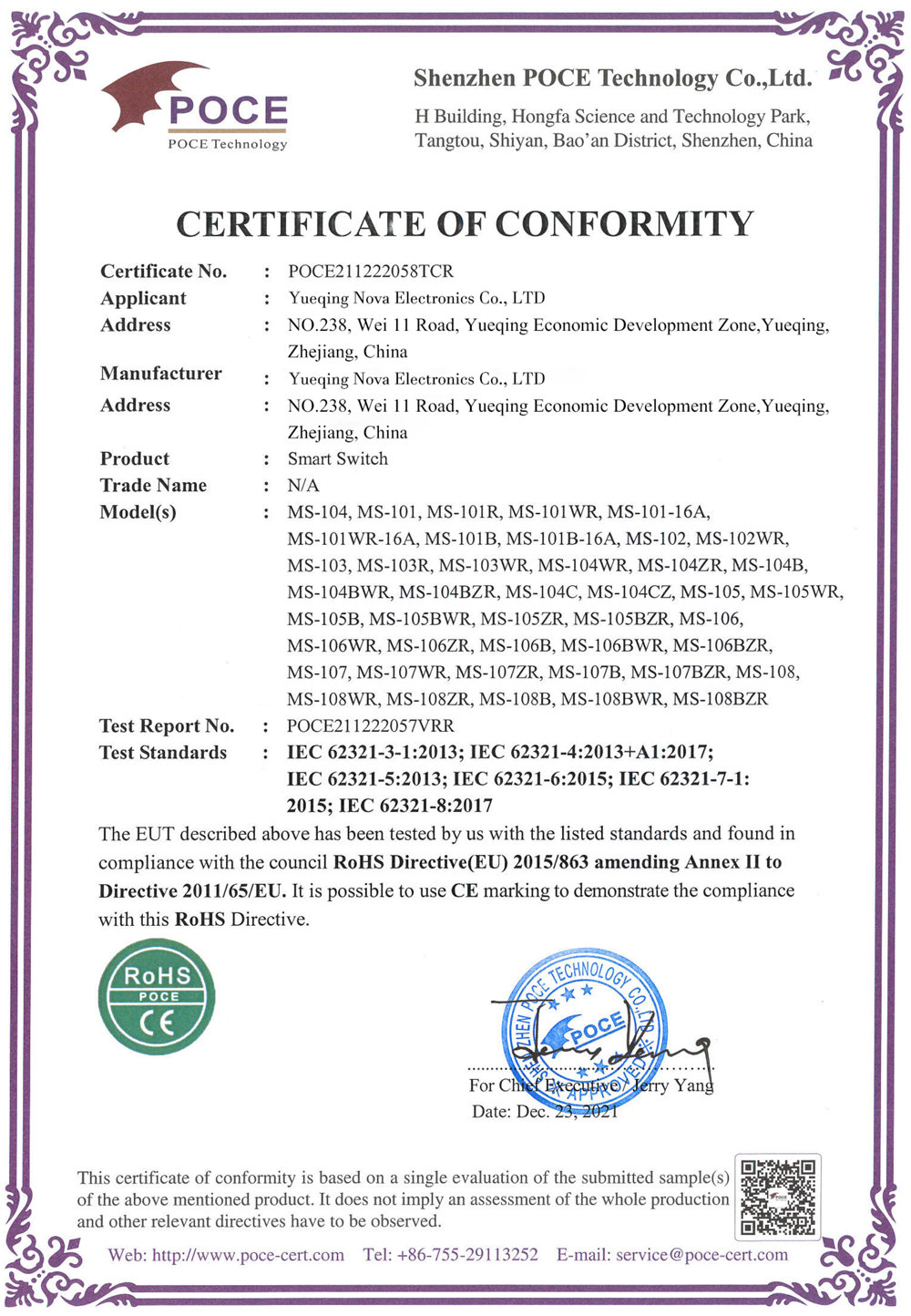
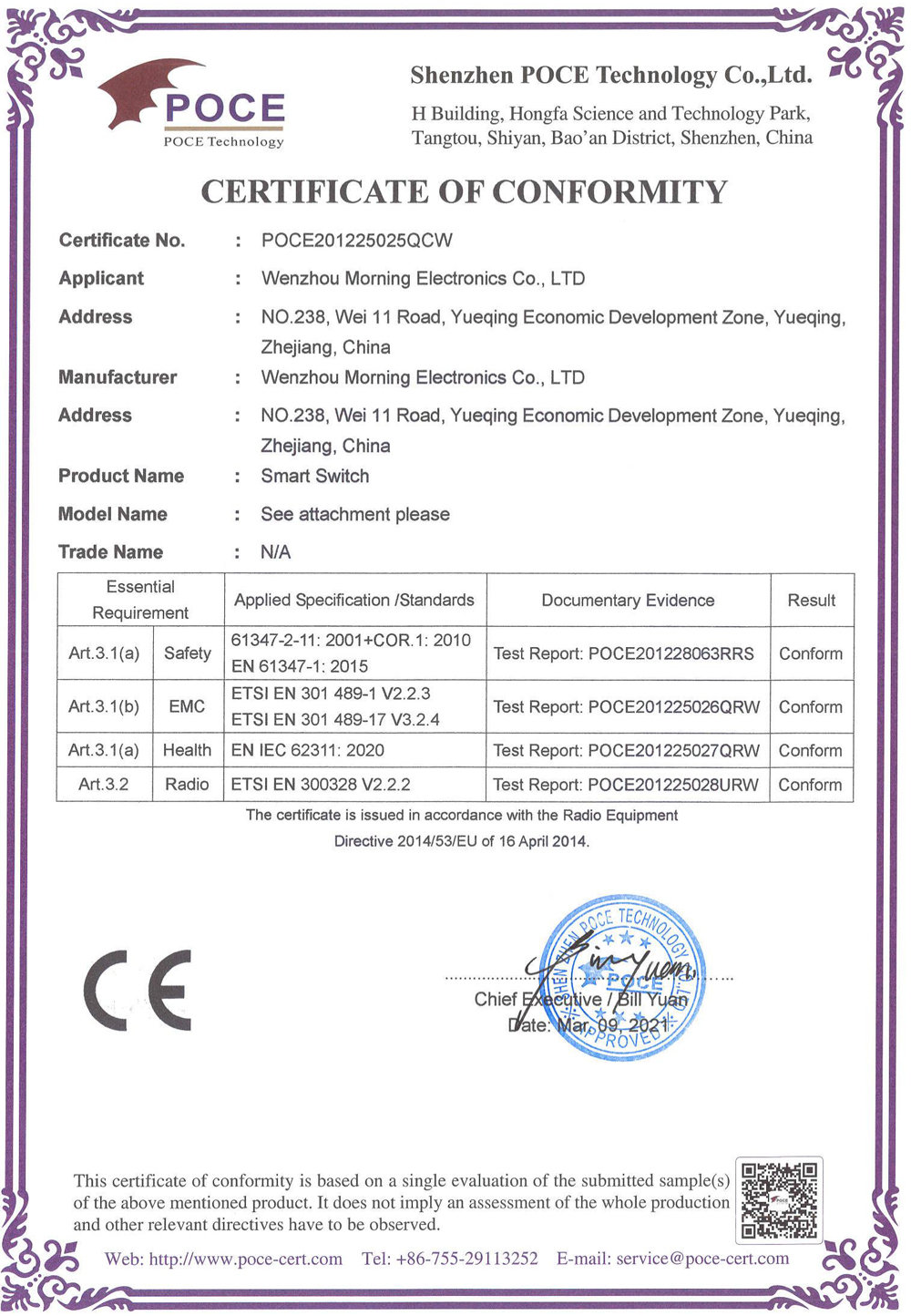
Adhering to the mission of "Smart Creation of the Future", we continue to deepen the "technology-driven + customer value" dual-engine strategy. Over the next five years, our manufacturing and R&D efforts will focus on breakthroughs in:
With an open attitude, we will draw a new picture with global partners to solve the pressing energy issues faced by emerging off-grid markets.
Global procurers, EPC contractors, and system integrators sourcing for the Caribbean require more than just hardware; they demand complete supply reliability. NOVA addresses these concerns with:
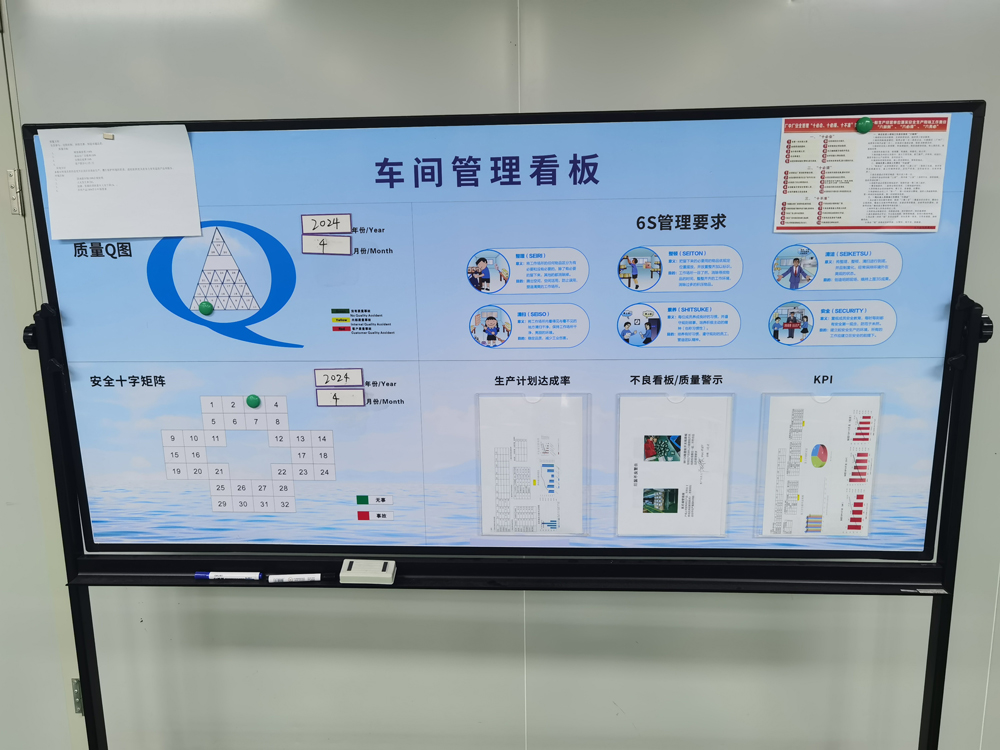
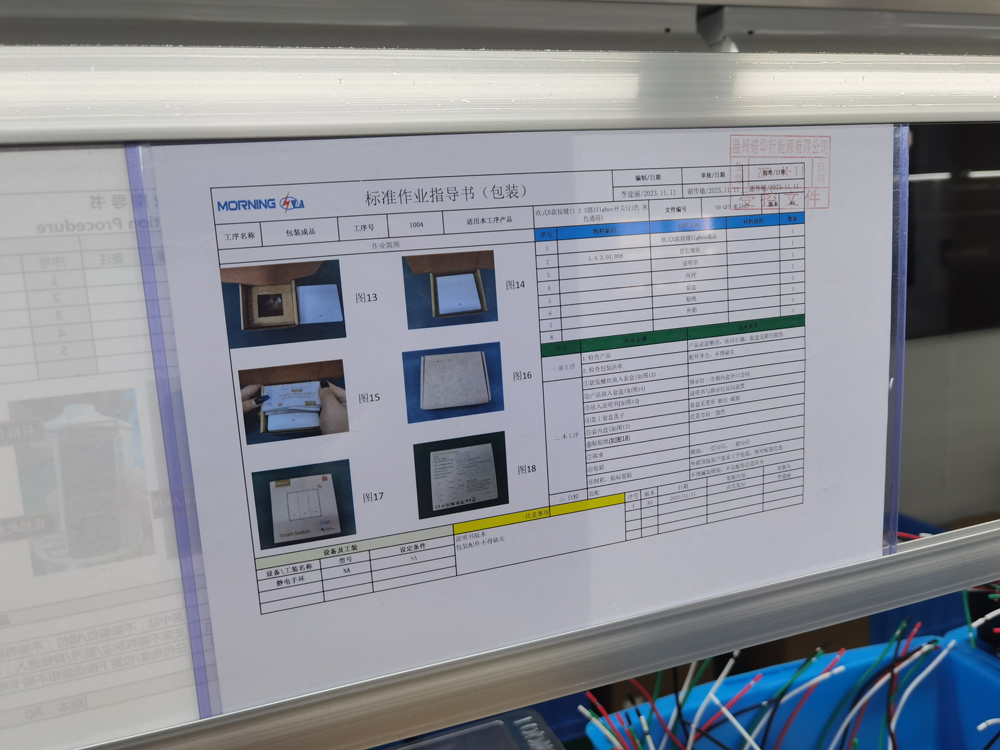
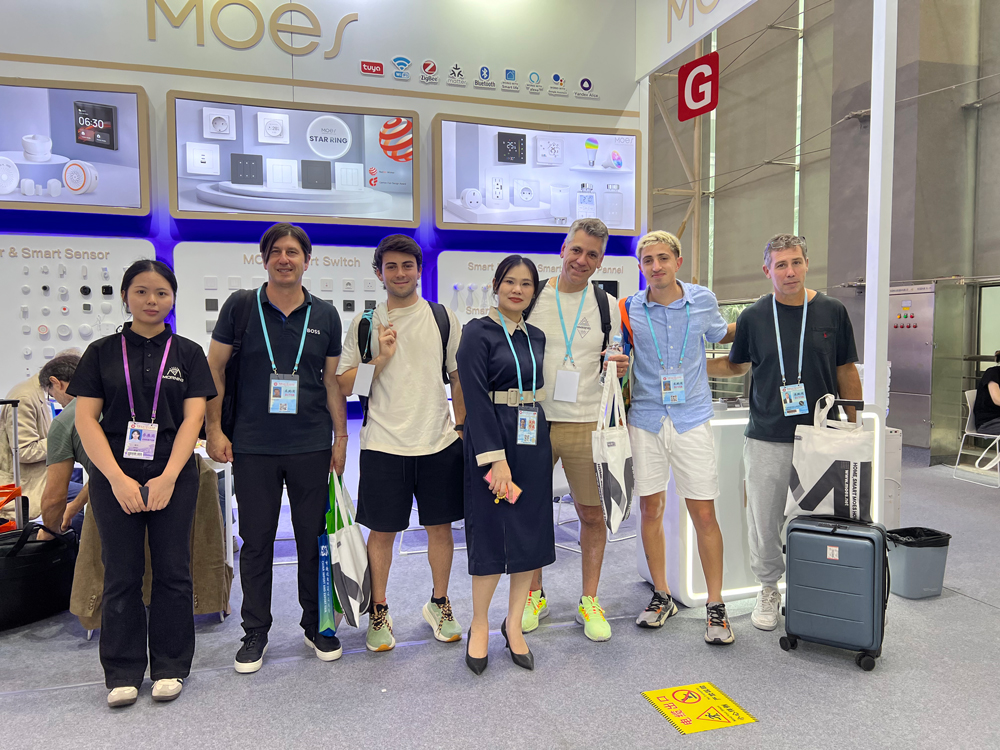
Take a virtual tour of our state-of-the-art facilities, structured workflow environments, and our international exhibitions.
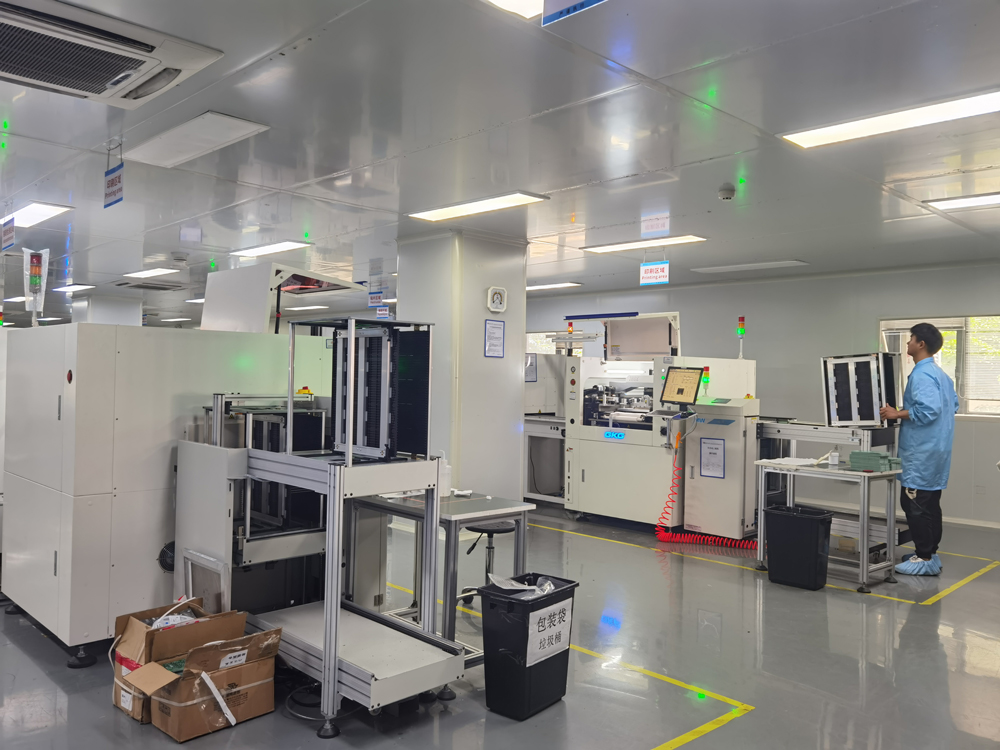
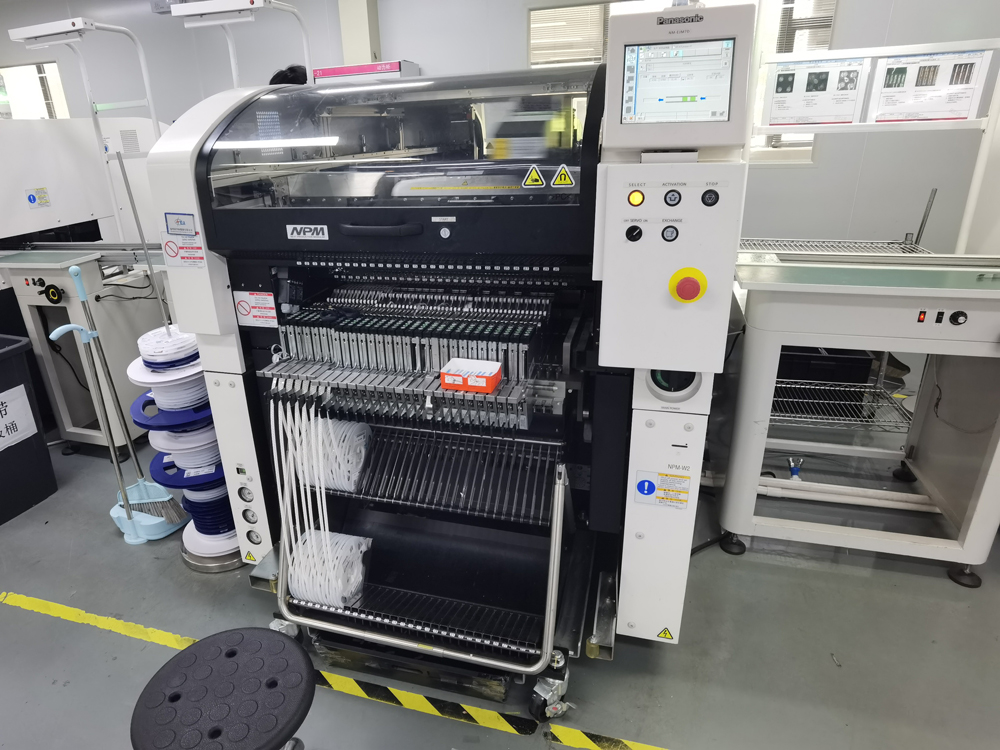
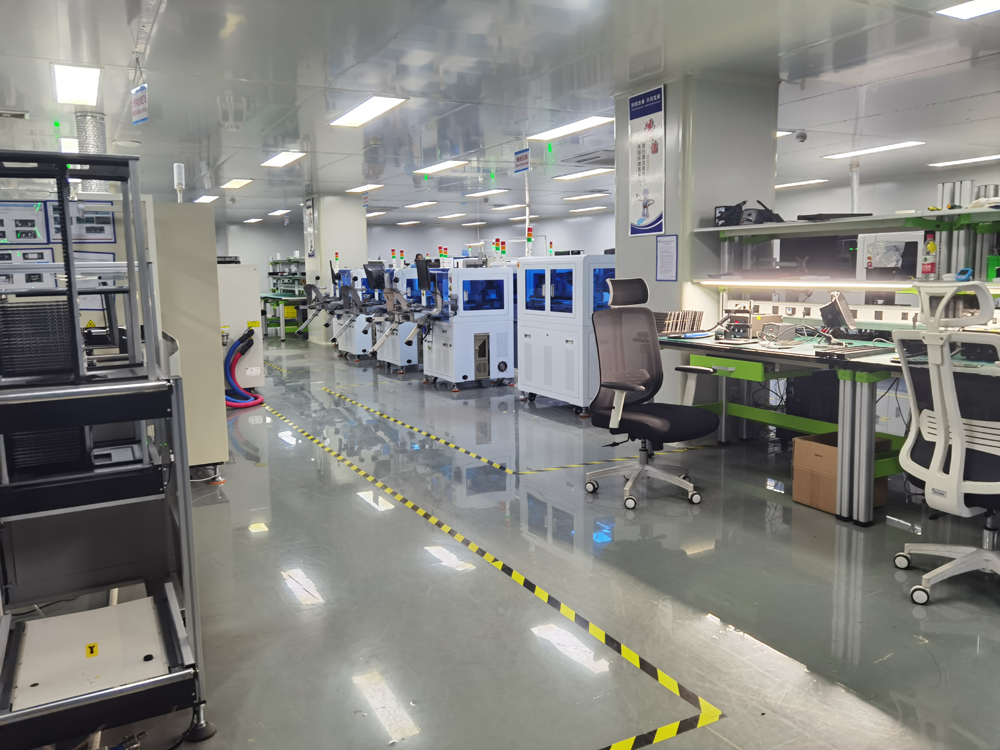
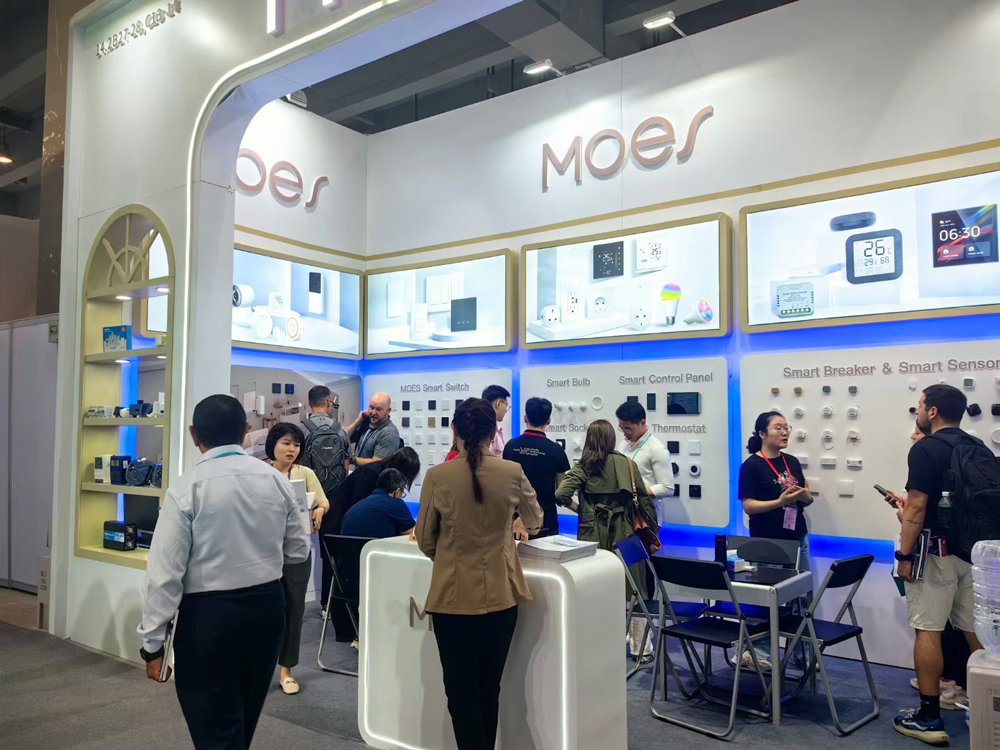
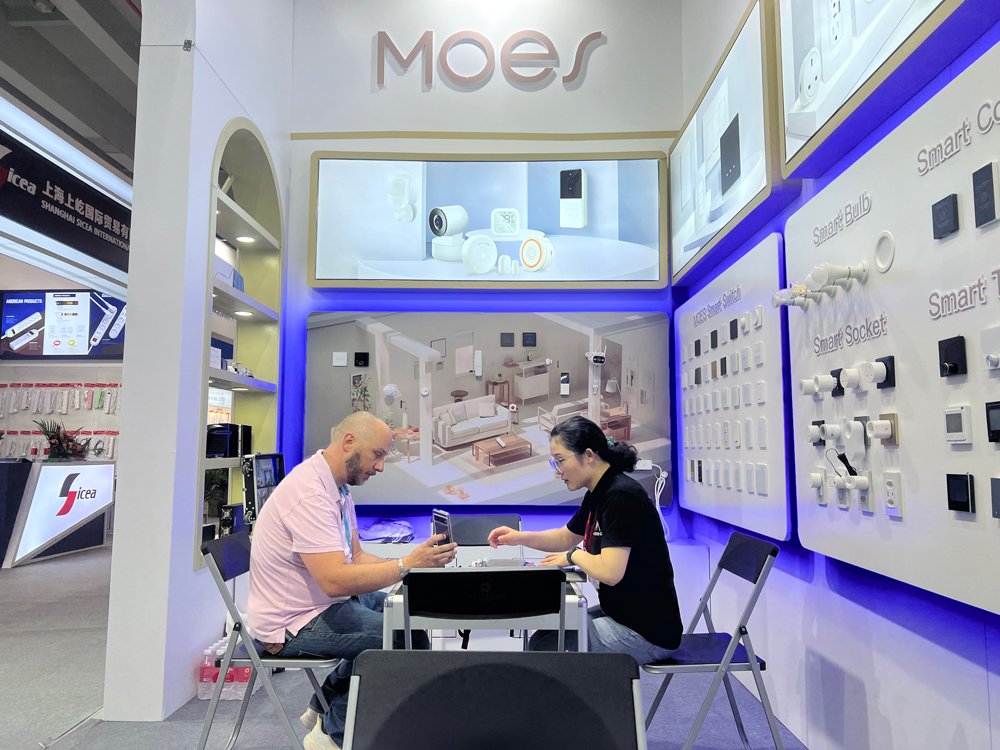
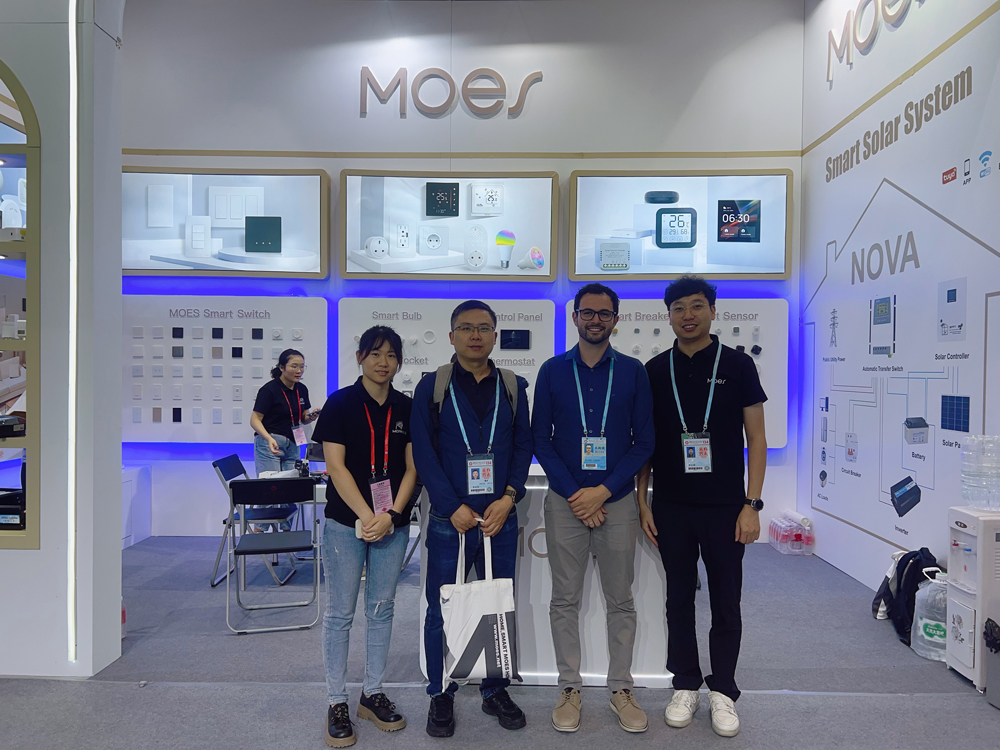
Combining solar power conversion with intelligent load management technologies to optimize efficiency in Dominica homes and commercial facilities.
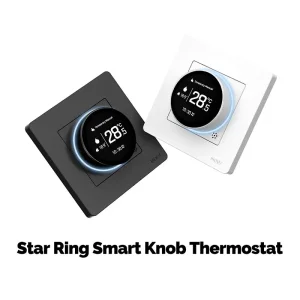
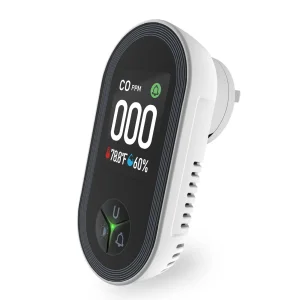
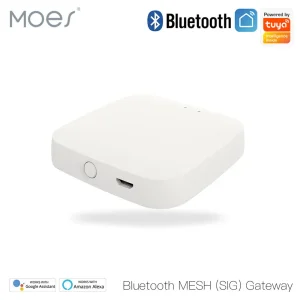
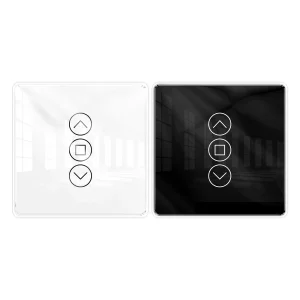
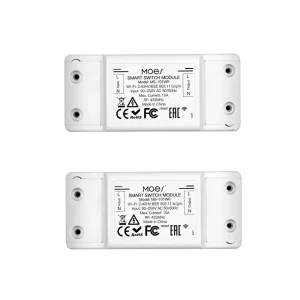
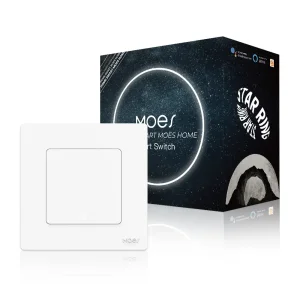
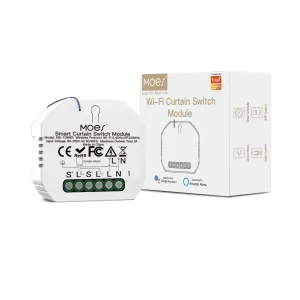
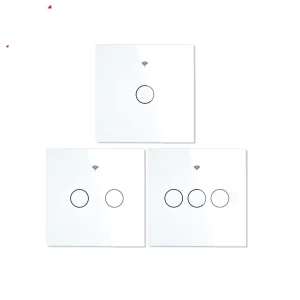
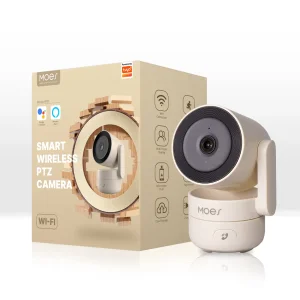
Aligning clean off-grid solar energy harvesting with domestic IoT appliances to elevate standard of living.
To design practical items with humanity by listening to customers' feedback and meeting their demand in local regions.
To offer creative items for our smart lifestyle with a whole linkage of comprehensive smart devices.
To enjoy our smart life with its best value from high-quality new items engineered under strict QC regimes.
To solve our daily home issues by offering best solutions to smart home automation, replacing old habits with cleaner energy alternatives.

Expert engineering answers to critical inquiries regarding system deployment, solar integration, and commercial feasibility in Caribbean conditions.
Low-frequency inverters utilize heavy-duty copper toroidal transformers, which provide high physical and electrical inertia. Dominica's regional infrastructures use heavy inductive motors such as deep-well pumps, refrigeration units, and split air conditioning systems. Low-frequency units manage massive startup surge loads (up to 3x their continuous nominal ratings) without burning out transistors. Conversely, high-frequency units lack transformer isolation, making them more prone to failure under surge-heavy applications.
Air on islands like Dominica has high salt concentration and moisture, which accelerates electrochemical corrosion. This causes short-circuits on PCB board components. NOVA combats this issue by applying a specialized conformal coating on the internal circuitry of all off-grid inverters. Combined with corrosion-resistant physical housing and IP54 ratings where required, this protective layer ensures the lifespan of the inverter is preserved even when installed near shorelines.
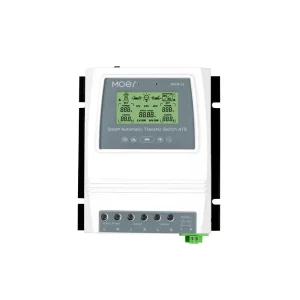
An ATS (such as our 16KW 80A Bluetooth smart switch) manages power routing between solar storage, diesel backup generators, and DOMLEC grid lines. When solar battery voltages drop below a predefined threshold, the ATS seamlessly switches the critical load to the backup utility grid or initiates generator ignition. This ensures continuous, uninterrupted electricity supply for eco-resorts and cold chain agricultural operations in Dominica.
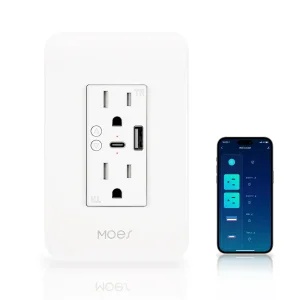
Yes. Integrating smart home modules (switches, smart plugs, presence sensors) allows dynamic load shedding. During stormy weather when solar generation is limited and battery reserves are critical, the smart gateway can trigger automated profiles to turn off non-essential loads (e.g. decorative lighting, pool pumps) while preserving power for medical machinery, internet hubs, and refrigeration.
Caribbean importers should look for recognized certifications such as UL 1741, CE, TUV, and RoHS. These documents guarantee that the inverter meets stringent grid safety and mechanical structural requirements, ensuring trouble-free clearance through customs and compatibility with DOMLEC engineering guidelines.
 NOVA New Energy