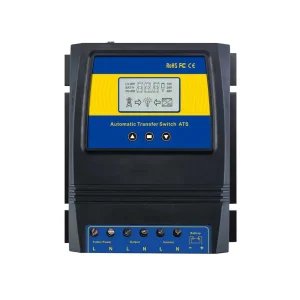
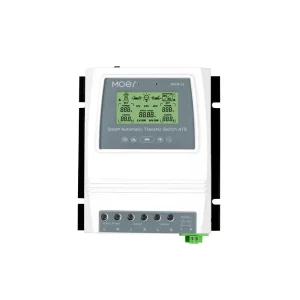
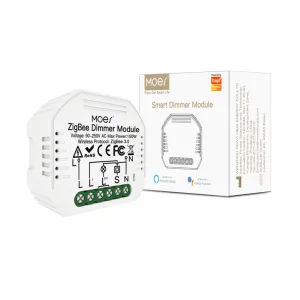
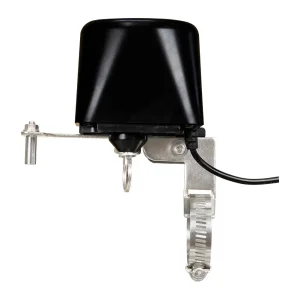
Designed for immediate integration into Verona's agricultural, residential solar grids, and commercial building systems.
An Analysis of Power Reliability, Renewable Integration, and Economic Stability in Veneto's Key Industrial Corridor.
Verona, situated at the heart of Italy's dynamic Veneto region, represents a critical intersection of logistics, agricultural technology, and light-to-medium industrial manufacturing. The region's strategic importance is highlighted by the Quadrante Europa—one of the largest intermodal logistics hubs in Southern Europe—and a booming food processing sector led by world-class wine producers in the Valpolicella and Amarone zones. For these operations, power continuity is not merely a technical operational parameter; it is a critical safeguard against catastrophic economic losses.
The modern energy transition has accelerated the adoption of localized photovoltaic (PV) systems, wind generation, and battery energy storage systems (BESS) across Verona’s industrial estates. However, integrating decentralized, volatile renewable sources with the traditional Enel grid presents severe challenges for voltage stability and phase balance. An Automatic Transfer Switch (ATS) functions as the structural gatekeeper of this multi-source architecture. By constantly monitoring power quality (voltage levels, frequency deviations, phase sequences), the ATS triggers high-speed switching from primary grids to secondary sources when tolerances are breached, protecting sensitive electronic loads.
“In automated wine fermentation and conservation facilities throughout Verona, an unplanned power interruption of just 120 milliseconds can disrupt PLC controls and variable frequency drives, resulting in localized batch degradation and significant financial losses. High-performance ATS systems provide the fail-safe recovery mechanism modern smart factories demand.”
Furthermore, Verona's rich historical infrastructure imposes constraints on modern grid installations. Renovating historical properties and heritage hotels in downtown Verona requires high-density electrical components that comply with stringent European EN fire and safety regulations. These installations rely on modular, low-footprint ATS switches featuring smart Bluetooth and WiFi control options to enable remote monitoring and predictive diagnostics, avoiding intrusive building rewiring.
How IoT Integration, Smart Grid Communication, and Bidirectional Control Are Redefining the ATS Market.
The global Automatic Transfer Switch market is experiencing a profound shift away from electromechanical relays toward solid-state and microprocessor-controlled switching topologies. This transition is catalyzed by three key industrial trends:
Unlike traditional emergency backup setups where an auxiliary source remains idle, modern ATS architectures must handle continuous bidirectional load balancing. The switch must seamlessly toggle between grid consumption, solar self-generation, and battery storage output based on real-time tariff structures.
Enterprise operators demand deep visibility. Real-time logging of transfer cycles, contact wear indicators, and harmonic distortion rates are transmitted via protocols like Modbus RTU, ZigBee, and WiFi to centralized building energy management systems (BEMS).
For high-availability IT loads, data centers, and advanced manufacturing lines, contact transitions must occur within single-digit milliseconds. Class PC switches (capable of making, carrying, and breaking currents under normal and abnormal conditions without overcurrent protection integration) are becoming the global standard.
This macro trend creates a specific opportunity for electrical contractors and purchasing groups in Northern Italy. Sourcing highly certified, digitally ready ATS devices that meet IEC 60947-6-1 specifications allows regional integration partners to package more competitive solutions. The challenge remains balancing advanced technological integration with cost structures that sustain project margins—a balance achieved through strategic collaboration with automated manufacturers like Wenzhou NOVA New Energy.
How Wenzhou NOVA Integrates Smart Manufacturing with Global Engineering Standards.
Located in the private economic epicenter of Wenzhou, Zhejiang, Wenzhou NOVA New Energy Co., Ltd. has spent 15 years optimizing its 120,000 square meter intelligent manufacturing base. The factory operates on advanced Industry 4.0 paradigms, integrating fully automated Surface Mount Technology (SMT) lines, computerized quality control monitoring, and real-time product tracking systems. This automated pipeline removes human variation, guaranteeing structural uniformity across millions of devices.
A key challenge in the global supply of heavy electrical equipment is supply chain stability. NOVA's localized integration in Zhejiang allows direct sourcing of premium copper, specialized fire-retardant thermoplastics, and premium semiconductor components. This vertical access insulates international buyers from the wild price fluctuations and shipping blockages seen in fragmented supply chains.
| Operational Metric | NOVA Standard (Industry 4.0) | Traditional Manufacturing | Value Advantage for Verona Buyers |
|---|---|---|---|
| SMT Precision & Automation | 98.5% Automated Line Rate | 60-70% Semi-manual | Drastically reduced defect rates under heavy load cycling |
| Traceability & Component QA | Dynamic barcode tracking per unit | Batch-level paper records | Exact diagnostics matching CE/IEC audit needs |
| Production Capacity | 250k+ units/month standard capacity | 50-80k units/month | Scalability to meet large-scale infrastructure projects |
| Certifications & Auditing | UL, CE, TUV, RoHS, FCC, ETL, BSCI | Localized regional certifications only | Immediate, worry-free regulatory approval in Veneto |
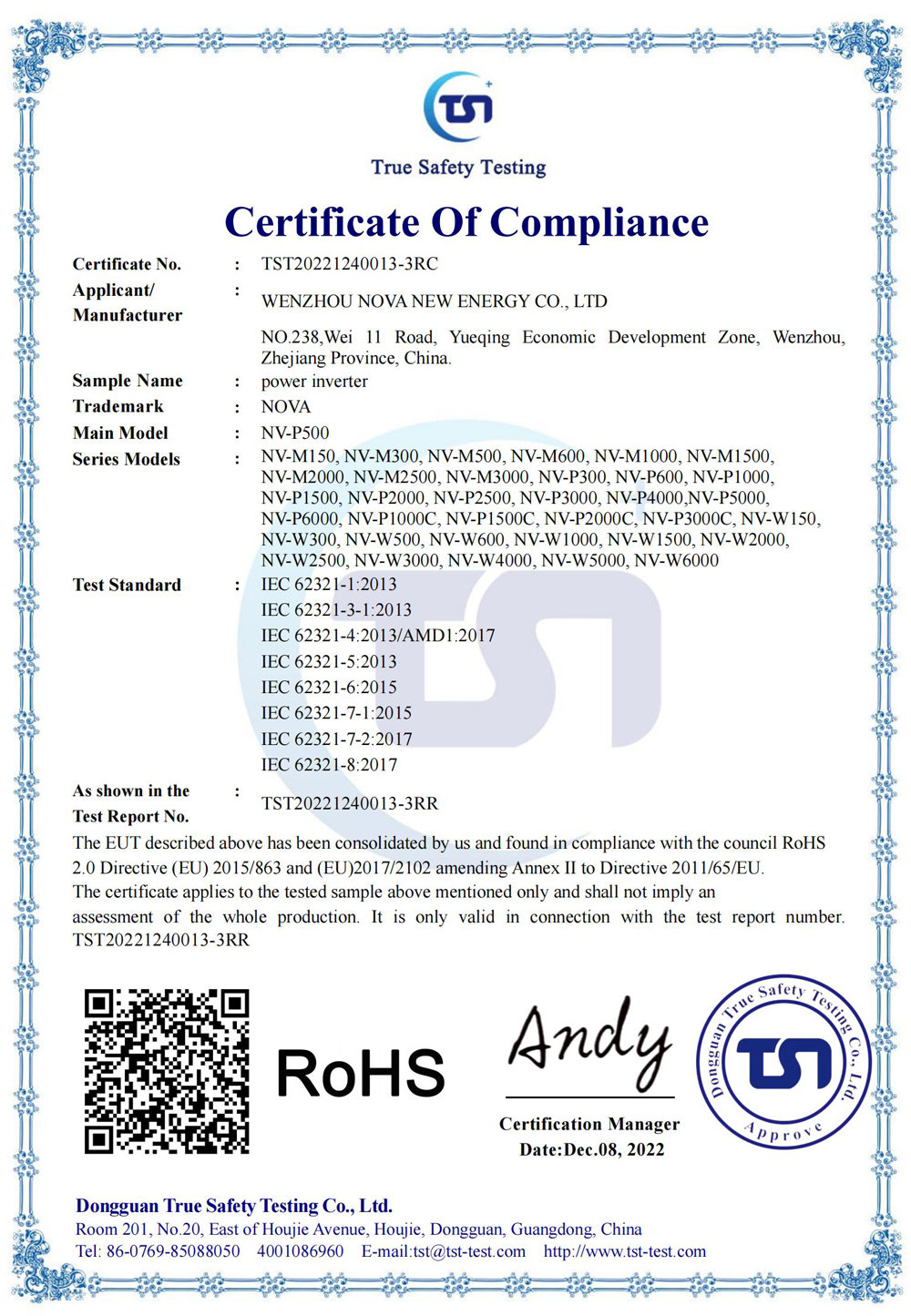
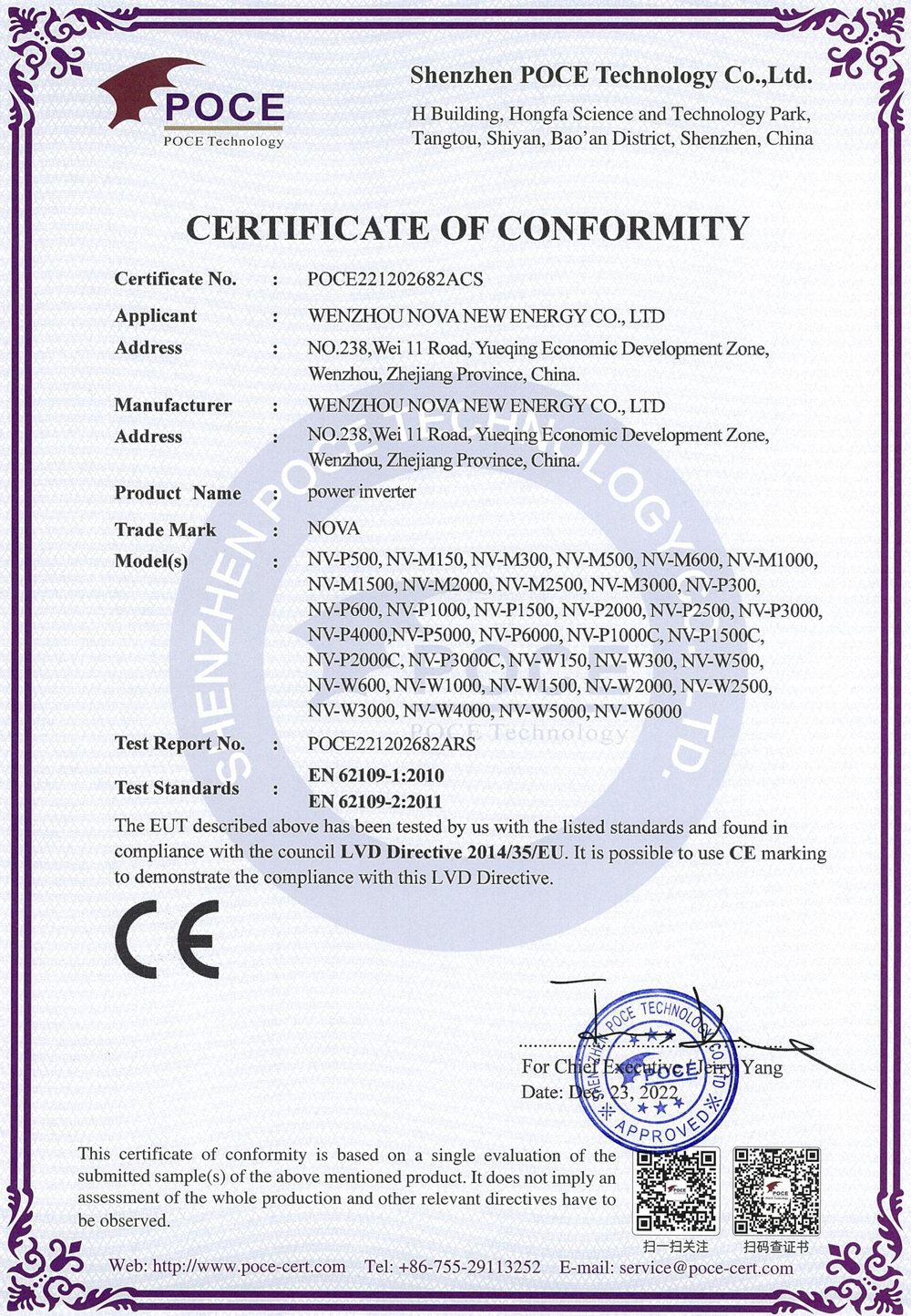
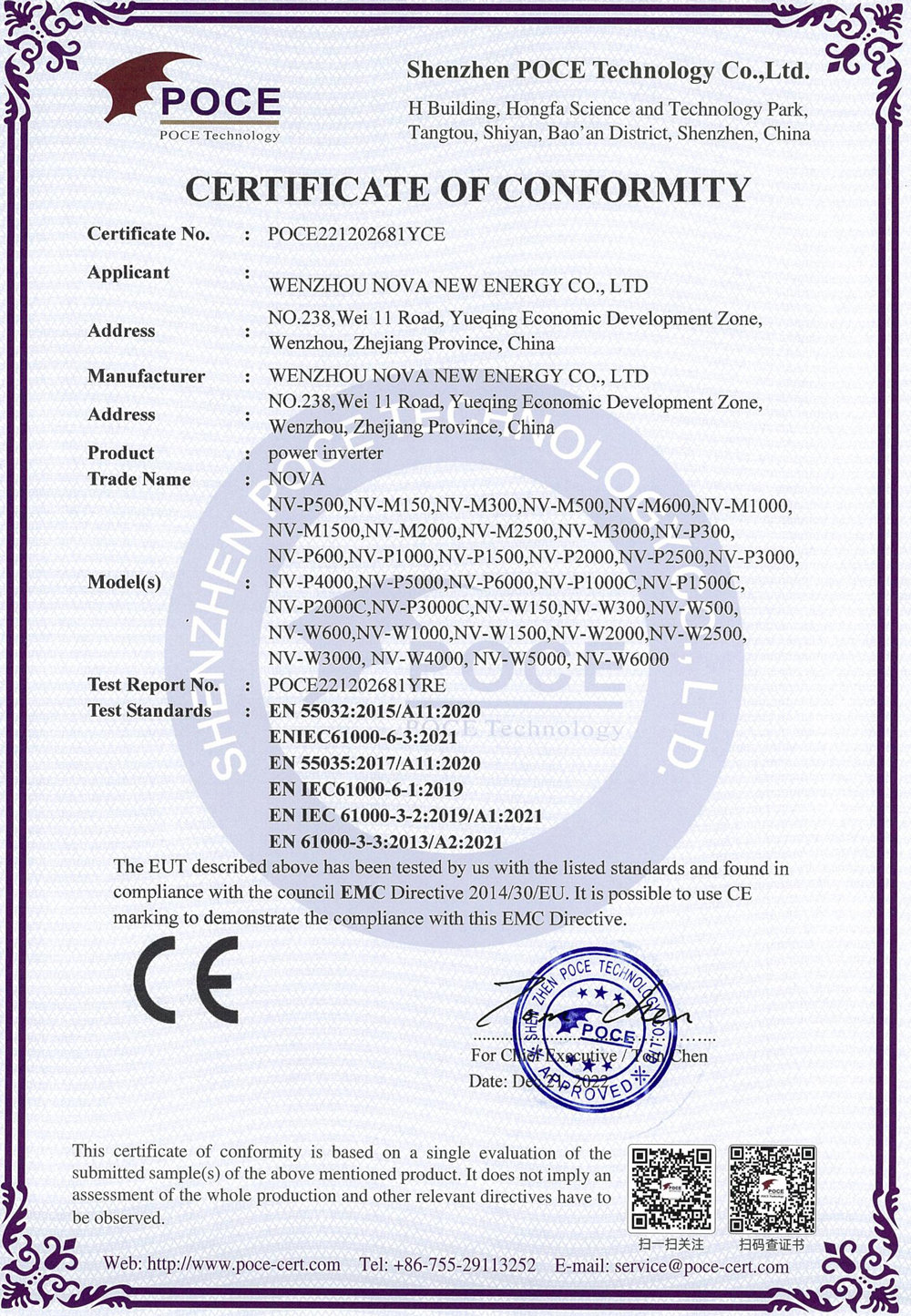
For European buyers, particularly in Italy, where local distribution costs can double unit acquisition pricing, sourcing directly from an ISO9001-certified Chinese smart factory provides an invaluable margin offset. NOVA’s products are certified under 15 international authorities including CE, ROHS, FCC, TUV, ETL, UL, and BSCI, matching the technical requirements of the Verona market while providing substantial supply chain cost benefits.
How ATS Technology Solves Critical Operational Challenges Across Local Sectors.
Modern viticulture in Verona depends heavily on temperature-controlled fermentation, continuous air filtration, and computerized irrigation networks. In these environments, power drops or phase reversals can damage active compressor motors and pumps. Installing an ATS—such as the 11KW 50A Dual Power Transfer Switch—guarantees that if the utility grid drops, the secondary source (a solar storage battery array or standby diesel generator) goes live in milliseconds, preserving crop monitoring and storage temperature integrity.
Verona's hospitality industry relies on historic structures that cannot support heavy, noisy backup generator units. Increasingly, boutique hotels and heritage sites utilize clean, silent battery systems paired with photovoltaic awnings. Managing these systems requires smart, high-speed switching that coordinates power delivery without causing local line noise or visual eyesores. Using Bluetooth and ZigBee-enabled transfer switches allows systems to be placed in tight building service ducts, monitored directly by facility managers via portable smart tablets.
At the key logistics junctions near Verona, uninterrupted cooling towers and distribution facilities operate around the clock. These warehouses use ATS devices paired with high-capacity smart meters to manage automated load shedding. During peak tariff rates, the smart ATS transfers non-critical utility circuits to solar microgrids, lowering overhead and ensuring complete backup redundancy during sudden grid brownouts.
Explore Wenzhou NOVA's modern production facilities, quality management, and international exhibitions.
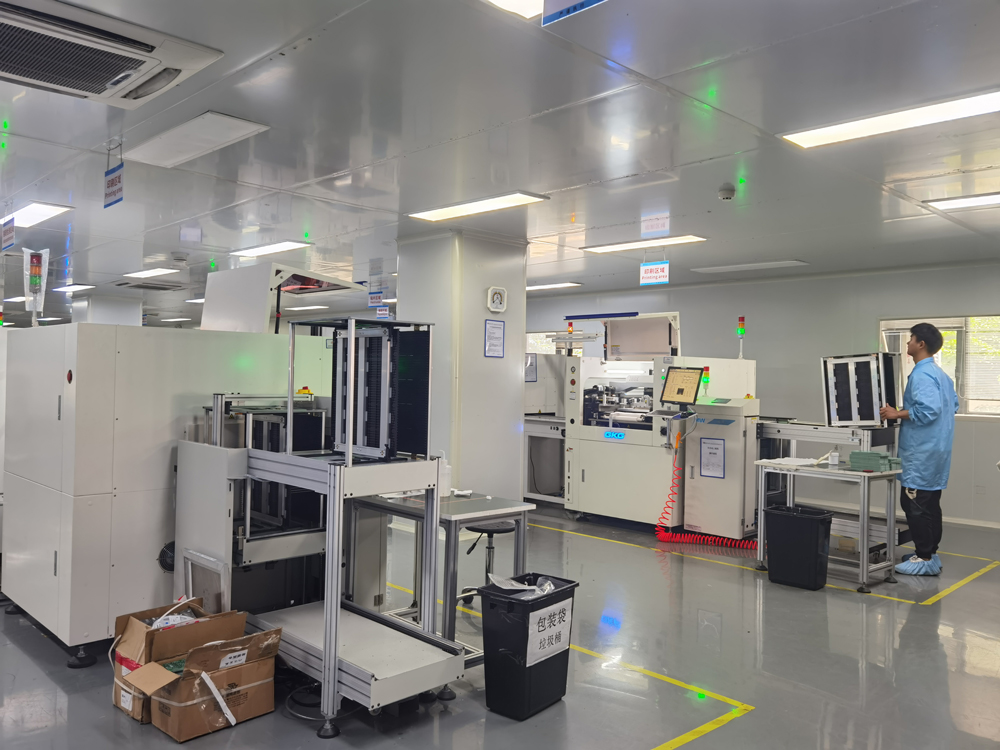
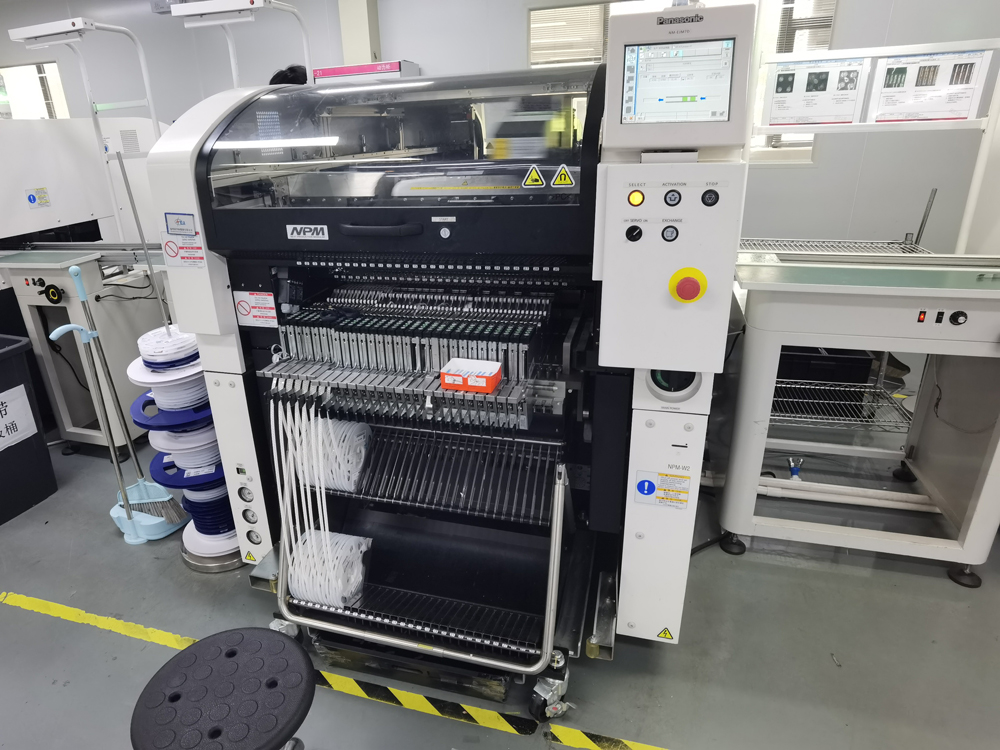
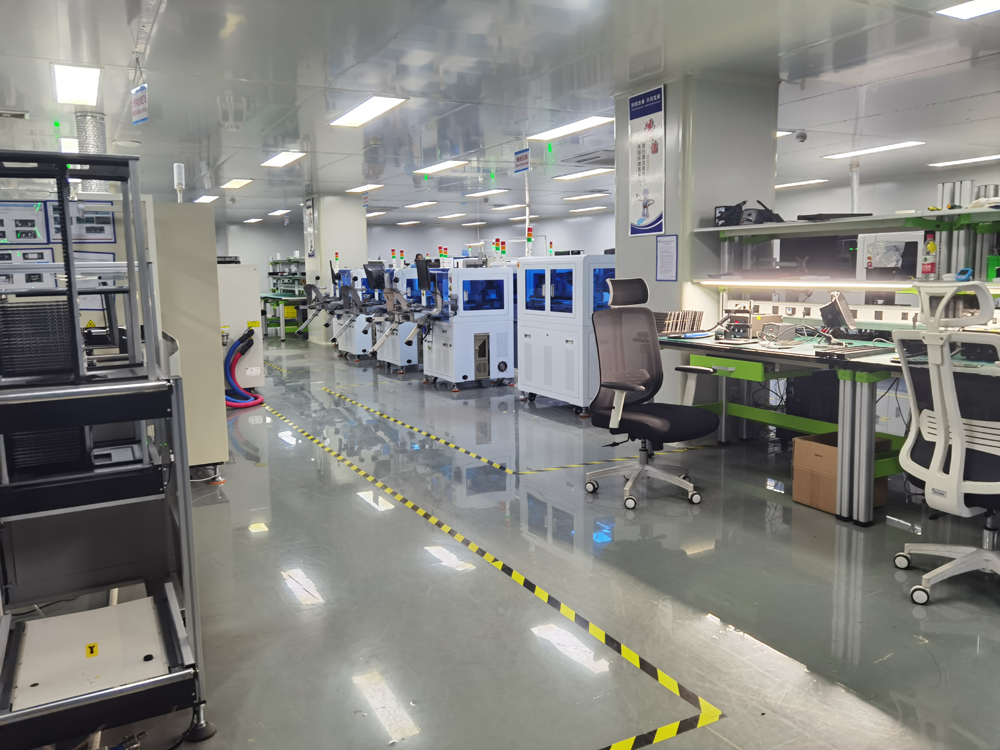
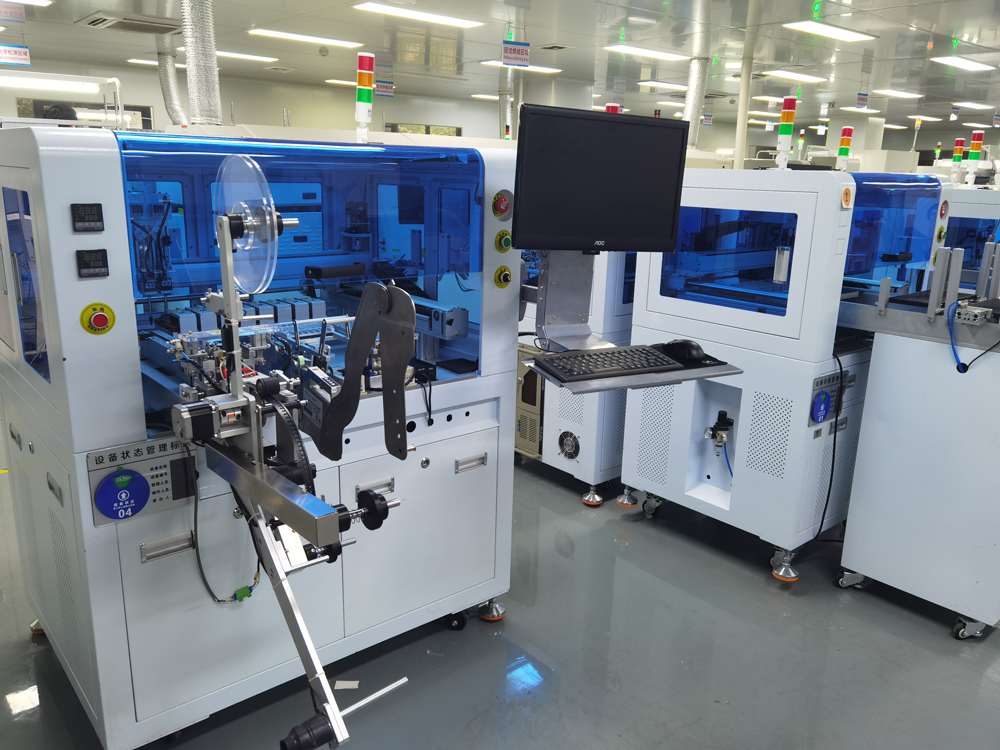
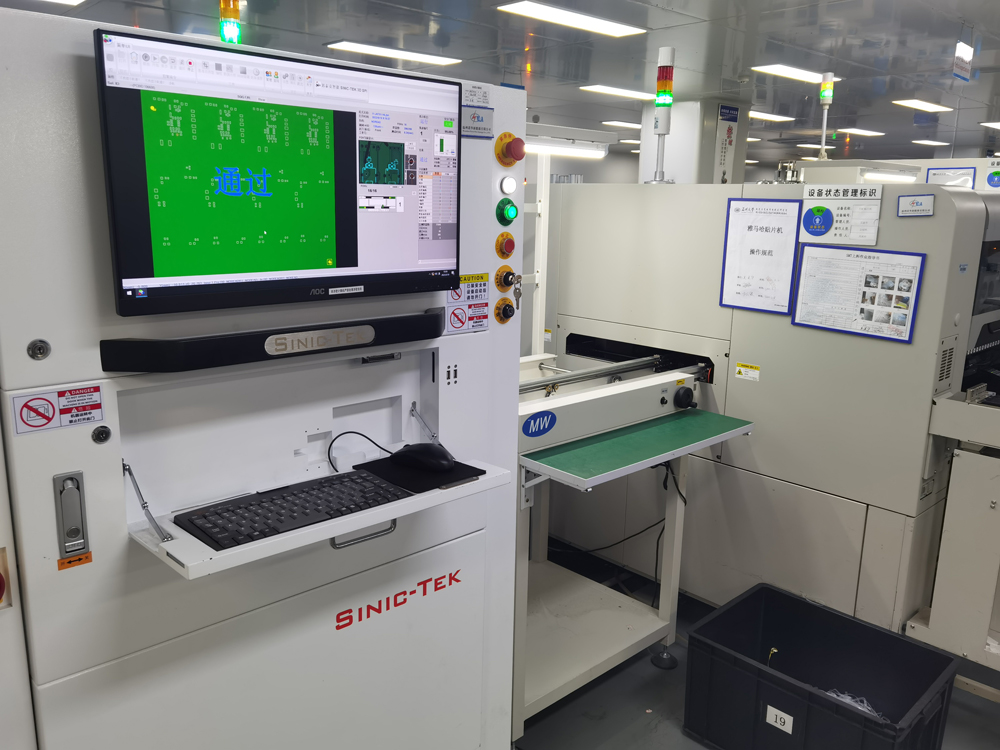
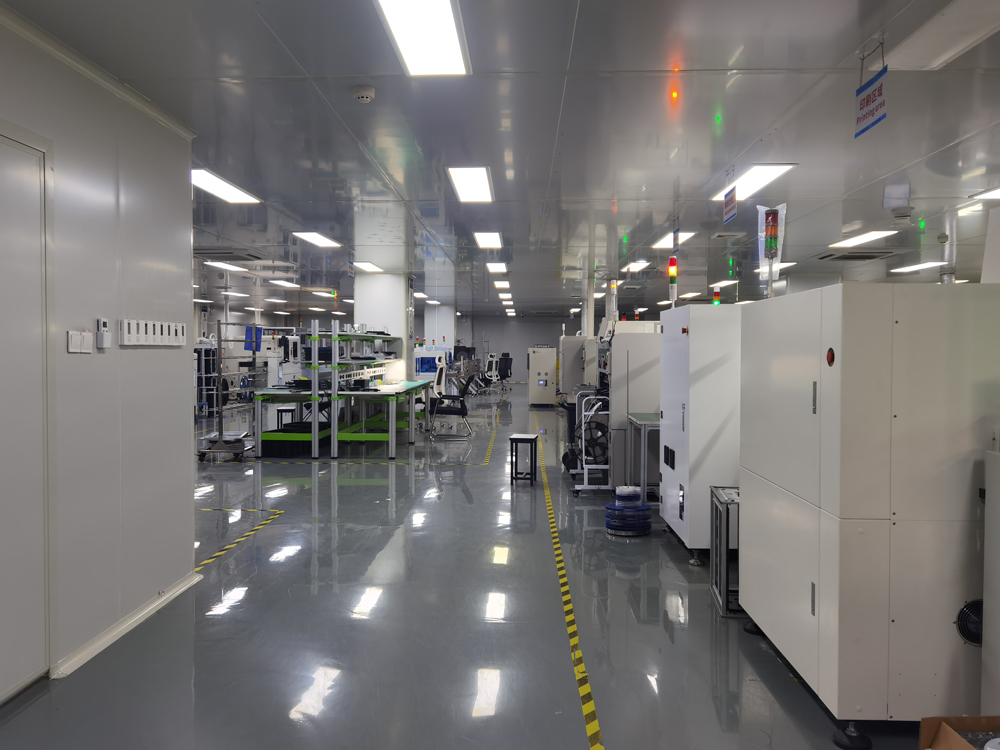
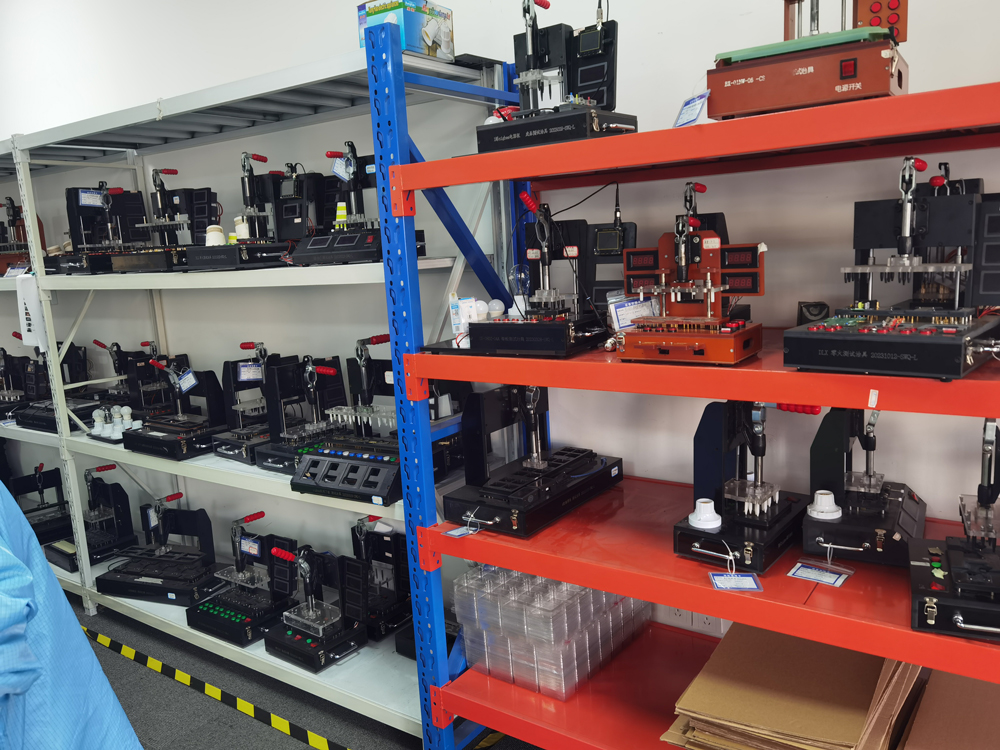
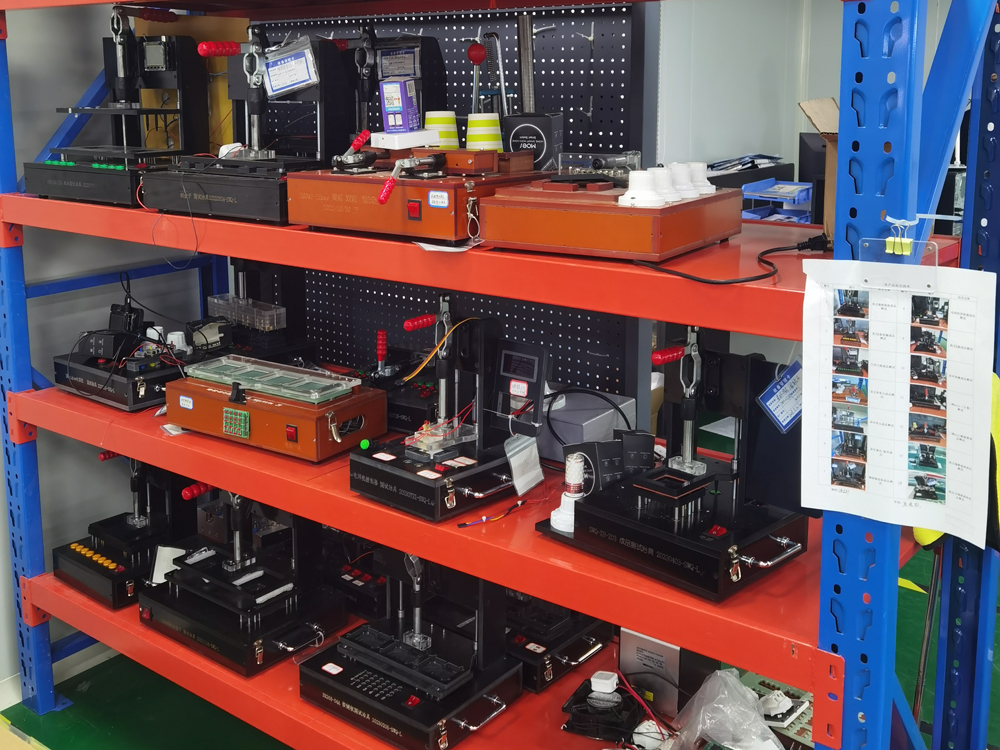
Industry-certified power solutions for automation engineers, utility designers, and project managers in Verona.
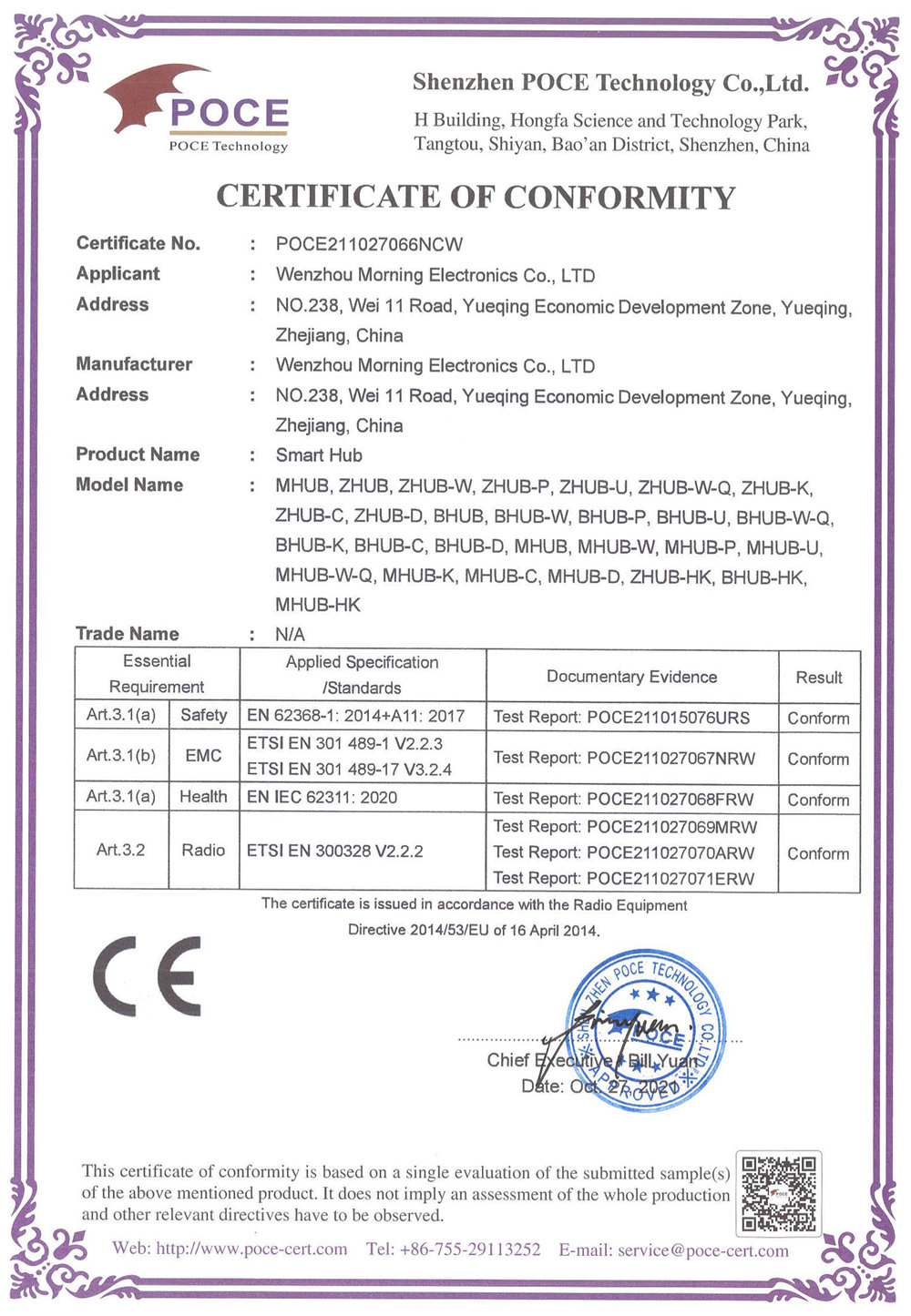
Our products comply with standard European EN and international IEC requirements, audited by leading certification authorities.
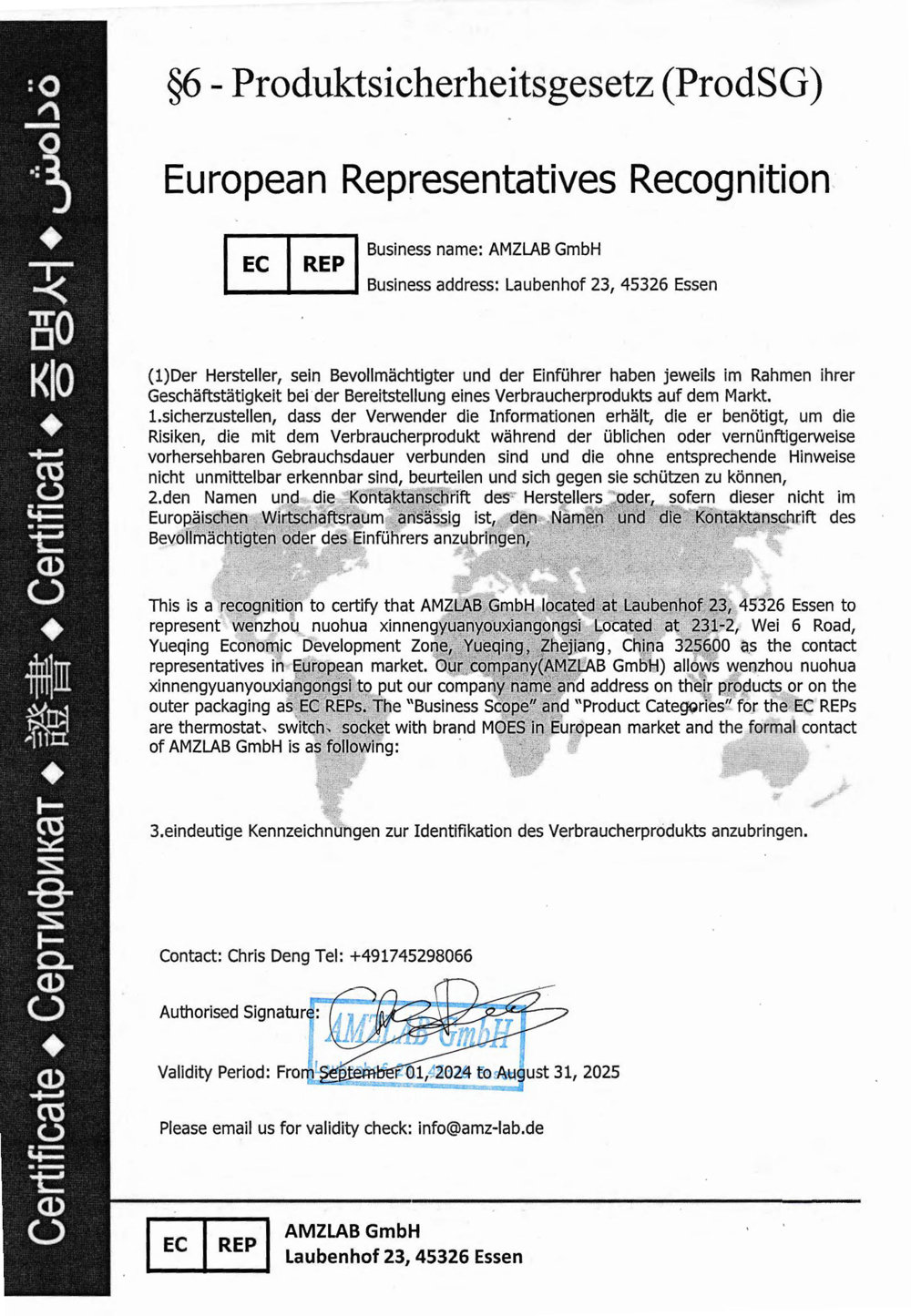
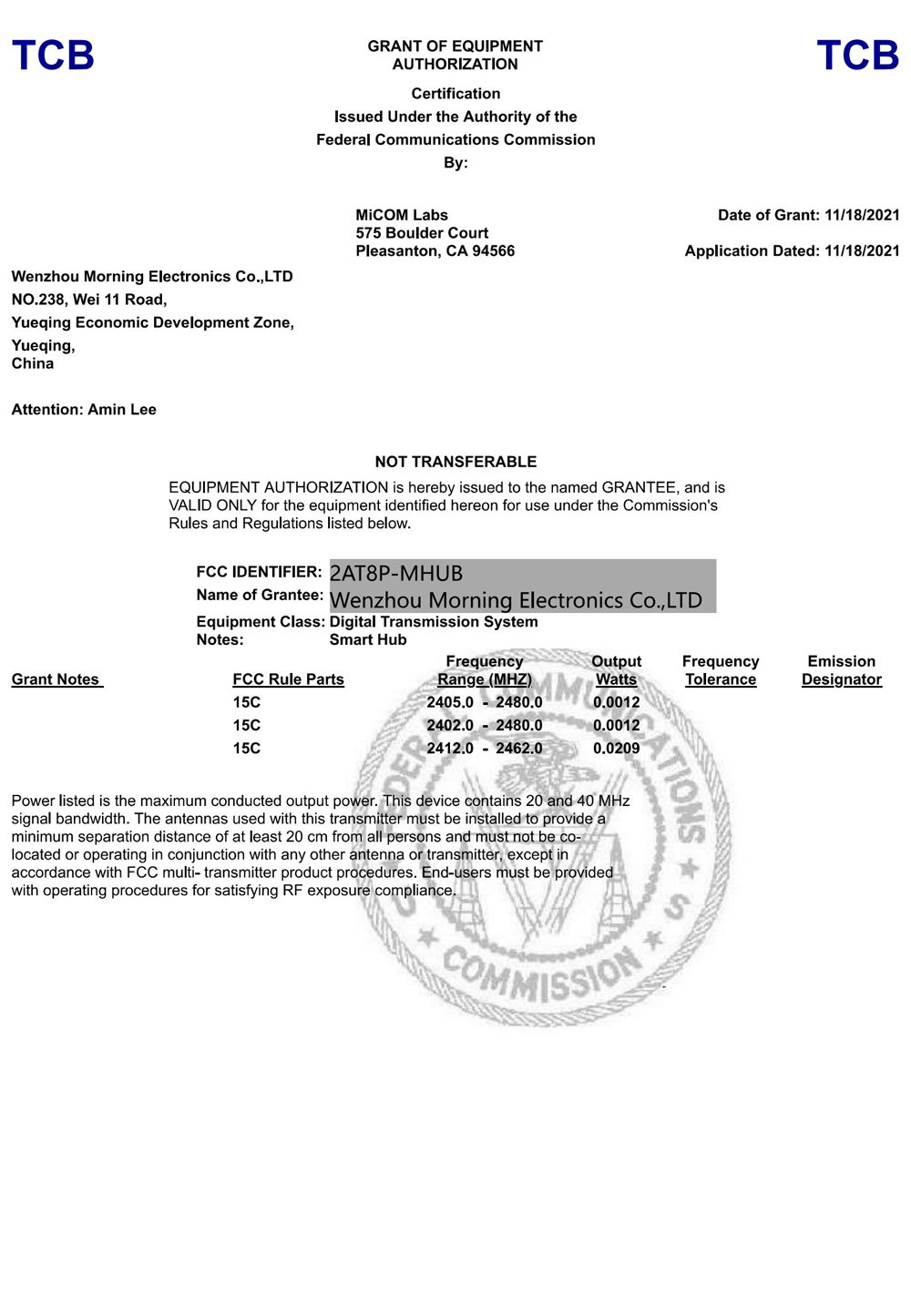
Technical Answers to Critical Sourcing Questions from Northern Italy's Electrical Integration Engineers.
Our standard dual-power Automatic Transfer Switches exhibit switching transition periods below 50 milliseconds. This ensures that typical industrial PLCs and commercial control systems remain powered during transfer, preventing system reboots or automation line disruptions.
Yes. All NOVA products are fully CE certified and tested to comply with international standards including EN 60947-6-1. They are completely legal and certified for installation within the Italian commercial and domestic distribution grid.
Absolutely. NOVA specializes in the dual domains of Smart Solar Systems and Tuya Smart Home Systems. Our smart ATS models feature built-in Bluetooth, WiFi, and ZigBee support, allowing seamless connection to home hubs, industrial PLCs, and cloud monitoring apps.
We utilize an ISO9001-certified quality control framework. Every step of assembly, from raw PCB insertion to final thermal testing, undergoes automatic optical inspection (AOI) and detailed testing to guarantee performance under real-world conditions.
Standard sea freight shipments to the Port of Venice or Trieste generally take 30 to 35 days from our local ports. For urgent industrial projects in Verona, air freight can deliver critical orders within 7 to 10 working days.
Partner with Wenzhou NOVA to access direct factory pricing, certified system reliability, and advanced smart capabilities tailored for the Verona market.
Send Inquiry Now NOVA New Energy