Top Tips for Choosing the Best Car Inverter for Your Needs?

Time:2026-06-16 Author:Isabella
0%

Choosing the right car inverter is crucial for modern travelers. A car inverter converts DC power from your vehicle into AC power. This conversion allows you to run electronic devices on the road. Whether you need it for charging laptops or powering a small appliance, the options can be overwhelming.

Consider your specific needs when selecting a car inverter. Think about the devices you use regularly. Evaluate their power requirements to ensure compatibility. Many inverters display wattage ratings, which can guide your decision. Features like USB ports and multiple outlets also add convenience.

When you understand your requirements, you’ll make a more informed choice. Trustworthy brands often provide detailed specifications, helping you assess quality. Don’t overlook user reviews. They can offer insights into real-world performance. Remember to weigh the inverter's price against its features and your needs. A higher price doesn’t always guarantee better quality. Feel free to reflect on your choices before making a final decision.
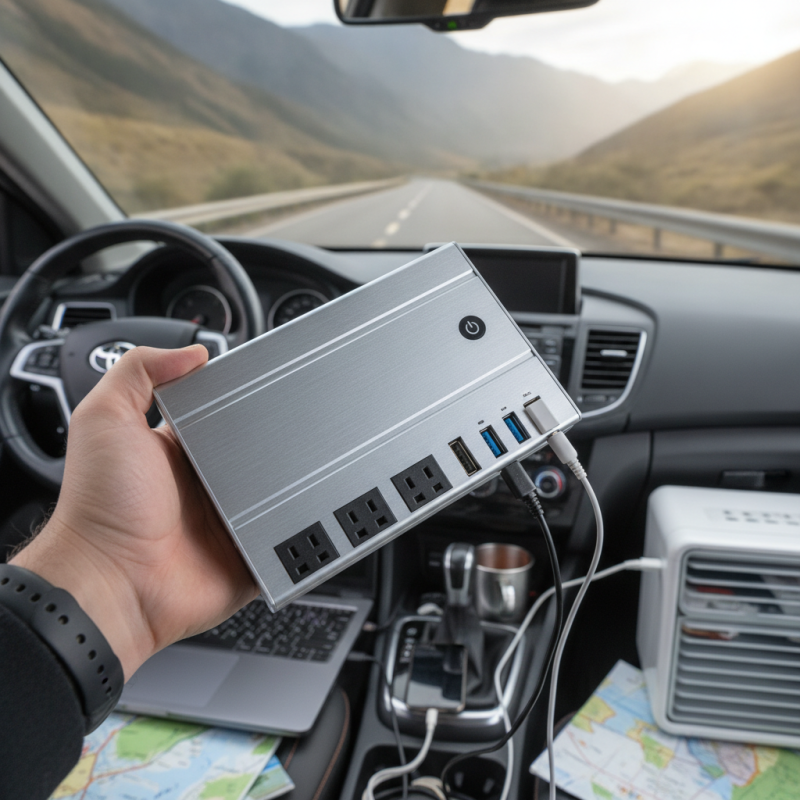
Top Tips for Choosing the Best Car Inverter for Your Needs?

Understanding Car Inverters: Types and Their Applications

Car inverters are essential for converting DC power from your vehicle's battery into usable AC power for various devices. Understanding the different types of car inverters available can significantly impact your decision. There are primarily two types: modified sine wave inverters and pure sine wave inverters. Modified sine wave inverters are generally cheaper and can power simple devices, while pure sine wave inverters are more expensive but ideal for sensitive electronics.

When choosing an inverter, consider your power needs. A common recommendation is to calculate the total wattage of the devices you intend to use. Reports indicate that most drivers use inverters ranging from 150 to 300 watts for charging laptops, phones, or running small appliances. If you plan to run more demanding equipment, you may need a higher capacity inverter.

Tip: Always check the inverter’s peak wattage rating. This is crucial for devices that require a surge of power at startup. Also, ensure your vehicle's electrical system can handle the inverter to avoid potential damage. Remember, the quality of the inverter matters. Low-quality inverters can lead to inefficiencies and may harm your devices.

Key Specifications to Consider When Choosing a Car Inverter

When selecting a car inverter, there are crucial specifications to keep in mind. Start with the power output. Consider what devices you need to charge. A 300-watt inverter may suffice for small electronics. However, if you plan to run larger appliances, aim for 1000 watts or more. It's vital to match your inverter’s capacity with your devices. Overloading can cause malfunctions or even damage.

Equally important is the inverter type. Pure sine wave inverters mimic household power. They are ideal for sensitive devices like laptops or CPAP machines. Modified sine wave inverters are more affordable. They can power standard devices but may not be suitable for everything.

Lastly, think about portability and design. Some inverters are compact and easy to store. Others have cooling fans, which can add noise. Check the inverter's safety features too. Overload protection and short-circuit prevention are valuable. A good inverter should balance functionality and convenience. Choosing wisely can enhance your travels. You want to avoid buying something that may not meet your demands. Reflect on your needs before making a decision.

Power Rating and Output: Matching Inverter Capacity to Your Devices

When selecting a car inverter, understanding power rating and output is crucial. This determines how effectively the inverter will handle your devices. Inverters are designed with specific wattage limits. Exceeding these limits can damage your devices or the inverter itself. For example, if you're charging a laptop that requires 65 watts, choosing an inverter rated for 100 watts ensures sufficient capacity. This margin is vital for uninterrupted use.

Consider the devices you plan to power. For small electronics, such as smartphones or tablets, a lower wattage inverter can be sufficient. However, if you intend to run larger devices like a refrigerator or a power tool, opt for a higher-rated inverter. Misjudging the wattage needs can lead to frustration. Devices may malfunction or fail to charge. It's essential to balance your power needs with the inverter's capacity.

Another aspect to ponder is surge power. Some devices need more power to start up than to run continuously. This surge can be several times the device's running wattage. Make sure your chosen inverter accommodates these spikes. Overestimating your needs can lead to overspending. Underestimating can hinder usage. Evaluating both continuous and surge requirements ensures you choose wisely.

Comparison of Power Ratings for Different Device Types

Safety Features: Ensuring Protection in High-Demand Situations

When selecting a car inverter, safety features should be a top priority. Many users overlook the significance of protection mechanisms during high-demand situations. A study from the International Electrotechnical Commission (IEC) reveals that electrical failures account for approximately 30% of fire-related car incidents. This statistic underlines the necessity for inverters that include critical safety elements like overheating protection and short-circuit prevention.

Look for inverters that offer automatic shut-off features. These can prevent overloading and protect your devices. Many inverters also feature built-in fuses, which will blow if the inverter draws too much current, thus avoiding potential damage. According to the National Fire Protection Association (NFPA), using devices without proper shutdown warranties can escalate risks in emergency scenarios.

It's essential to prioritize quality over price. Cheaper models often sacrifice safety standards. Instead, focus on inverters that adhere to recognized safety certifications. These certifications show that the product has passed rigorous testing. Always consider that a few additional dollars spent on a safe inverter could protect both your devices and your vehicle in critical moments.

Ports and Compatibility: Meeting Your Power Needs on the Road

Choosing the right car inverter requires careful consideration of ports and compatibility. Many devices need specific power outputs. Make sure the inverter supports your gadgets, such as laptops or smartphones. A mix of AC and USB ports is ideal for charging multiple items simultaneously.

Look for inverters that offer both 12V and 24V compatibility. This ensures you can power a wider range of devices. However, not all inverters fit every vehicle. You need to check if the inverter matches your car’s voltage specifications. Pay attention to wattage too. Some inverters may not provide enough power for high-demand appliances.

Reflect on the types of trips you take. For long journeys, having extra ports can be essential. Think about how many devices you typically use. Sometimes, choosing an inverter with fewer features may lead to frustration later. Balancing portability with power can be tricky, but it’s necessary for meeting your needs on the road.

FAQS

: Why is understanding power rating important when selecting an inverter?

: Power rating determines how well an inverter handles devices. Exceeding limits can cause damage.

How do I know what wattage inverter I need?

Consider the wattage of your devices. For a laptop needing 65 watts, choose a 100-watt inverter for safety.

What happens if I misjudge my inverter's wattage needs?

Misjudging can lead to device malfunction. Charging may fail or devices may not work properly.

What is surge power, and why should I consider it?

Surge power is the extra wattage needed to start some devices. Choose an inverter that accommodates these spikes.

How important are ports and compatibility when choosing an inverter?

Ports and compatibility are vital. Ensure the inverter supports your devices and has the necessary outputs.

What should I consider about voltage compatibility?

Check if the inverter matches your car’s voltage. Not all inverters are compatible with every vehicle.

How can extra ports benefit me on long trips?

Extra ports allow you to charge multiple devices, making long journeys more convenient.

Is it always better to choose an inverter with more features?

Sometimes, fewer features lead to simplicity. More features can also mean more complexity to manage.

Why is balancing portability and power important?

Balancing is crucial for meeting your needs while on the road without carrying excess weight.

Can overspending on an inverter lead to problems?

Yes, overestimating needs can cause unnecessary expenses. Take time to evaluate before purchasing.

Conclusion

Choosing the right car inverter is essential for ensuring that your electronic devices are powered effectively during your travels. Understanding the different types of car inverters and their applications can help you determine which one suits your needs best. Key specifications such as power rating and output are crucial, as they need to match the capacity of your devices to avoid any performance issues.

Additionally, safety features are important to protect against potential hazards in high-demand situations. Ensuring that the car inverter has multiple ports and compatibility options will also facilitate the charging of various devices, meeting your power needs on the road. By considering these factors, you can make an informed decision and choose the best car inverter for your requirements.


Isabella

Isabella

Isabella is a dedicated marketing professional with a sharp focus on driving brand growth and engagement through strategic content creation. With an extensive background in digital marketing, she combines her passion for storytelling with her keen understanding of industry trends to deliver......