Choosing the right 12V inverter is essential for your power management needs. With many options on the market, making a decision can feel overwhelming. A 12V inverter converts DC power from your car battery into AC power for appliances. Quality matters, as a reliable inverter ensures safety and efficiency.
Consider your specific requirements before buying. Think about the wattage needs of your devices. Will you be using it for camping, or in emergency situations? Understand the difference between sine wave and modified sine wave inverters. Each type serves different purposes, and selecting the wrong one could lead to damaged devices.
Research reputable brands and read user reviews. Experience from other customers can provide insight into performance and reliability. A trustworthy 12V inverter provides peace of mind during your adventures. Take your time with this decision. It is crucial to reflect on both your immediate needs and long-term goals.
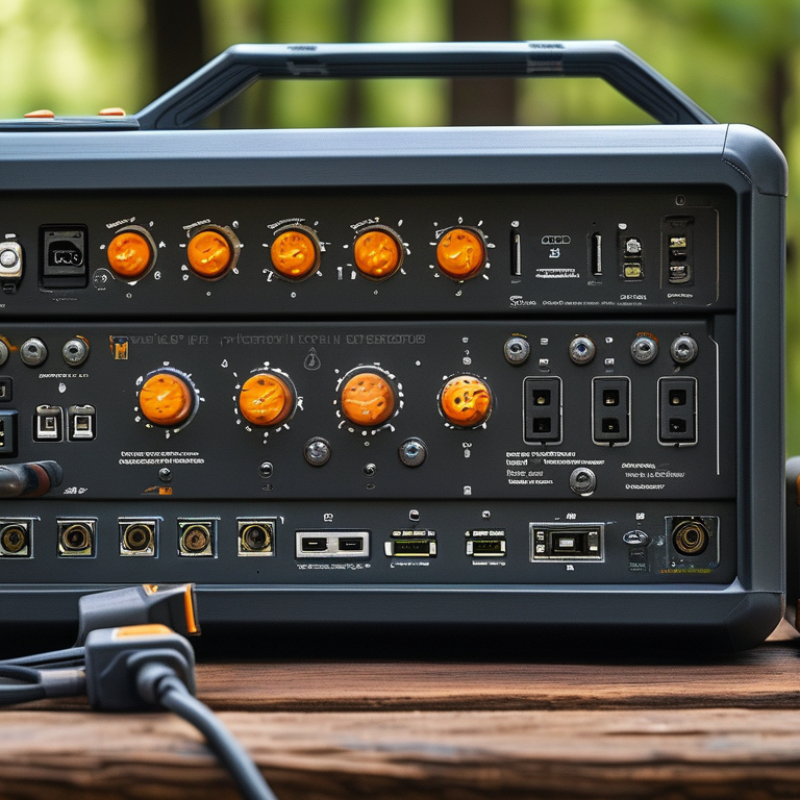
Understanding 12V inverters is crucial for both recreational and practical use. These devices convert DC power from a vehicle or battery to AC power, allowing you to run household appliances. The average efficiency of modern 12V inverters can range from 85% to 95%, according to industry reports. This efficiency ensures that less energy is wasted during conversion.
When selecting an inverter, consider the power requirements of your devices. Many consumers overlook this vital detail. A common mistake is underestimating the starting wattage of appliances, which can be significantly higher than their running wattage. For instance, a refrigerator may require three times its running wattage briefly at startup. Reports indicate that 30% of consumers purchase inverters that do not meet their needs due to improper calculations.
Safety features are also essential. Built-in protections against overheating and overloading are available in many models. Research shows that about 15% of inverter-related incidents stem from overheating problems. Therefore, choosing an inverter with robust safety protocols can mitigate risks. Make sure to read user reviews and technical specifications. Personal experiences from users can provide insights that standard specs often miss, revealing strengths and weaknesses in real-world applications.
When considering a 12V inverter, it's essential to evaluate your power needs. Start by listing the devices you plan to use. Are you powering a small fridge, a laptop, or camping lights? Each device has different power requirements.
Calculating these needs helps avoid underperformance.
Next, consider your usage scenarios. Will you be using the inverter for long durations or short bursts? Such patterns affect your total power consumption. For example, running heavy-duty tools requires more wattage than a phone charger.
Additionally, think about portability. A compact inverter may serve you better for travel, while a larger unit might be better for stationary use.
As you assess your needs, remember that it’s easy to overlook specifics. Users often underestimate the startup surge requirement of certain appliances.
If you choose an inverter without considering this, you may experience frustrating failures.
Reflecting on your scenarios allows you to refine your choice, ensuring you have sufficient power for your essential devices.
When choosing a 12V inverter, understanding the different types is crucial. There are primarily three types: modified sine wave, pure sine wave, and square wave inverters. Each type presents unique advantages and disadvantages.
Modified sine wave inverters are commonly used for basic applications. They are cost-effective and efficient. However, they may not power sensitive electronics seamlessly. Pure sine wave inverters provide clean power, mimicking grid electricity. They are ideal for delicate devices, but tend to be pricier. Reports indicate that about 60% of users prefer pure sine wave inverters for home use, emphasizing reliability.
Square wave inverters are the least common. They work well with simple appliances but are often incompatible with modern electronics. This can lead to inefficiency. According to industry experts, while square wave inverters are economical, they may require users to reconsider their efficiency needs. As you weigh your options, think about your specific requirements, and how each type aligns with your power needs.
When selecting a 12V inverter, several key features are essential to consider. Output power is one of the most crucial aspects. Ensure the inverter can handle your devices' total wattage. If you plan to use high-wattage appliances, opt for inverters with higher output ratings. This helps prevent overload and potential damage to your devices.
Battery compatibility is another vital feature. Different inverters work with various battery types. Look for inverters compatible with AGM, gel, or lithium batteries. This ensures efficient energy transfer and longer-lasting performance. You might miss out on excellent features if you ignore battery compatibility.
Consider the inverter's build quality and safety features. Look for models with protection against overload, short circuits, and overheating. Quality inverters can typically endure harsh environments. This could be key if you're using it outdoors or in a mobile setting.
Tips: Always check user reviews for real-life insights. They can reveal potential issues you might not notice in specifications. Don't rush your decision-making process. Take the time to compare various models and features to find the best fit for your needs.
When installing a 12V inverter, proper steps are essential for longevity and performance. Start by choosing a suitable location.
It should be well-ventilated to prevent overheating. According to a 2022 industry report, proper airflow can increase inverter efficiency by up to 20%.
Always mount it securely to avoid vibrations, which can lead to loose connections.
Next, pay attention to the wiring. Use appropriate gauge wires to support inverter capacity. A good rule of thumb is to use 10-gauge wire for short runs and 8-gauge for longer distances.
Continuous monitoring of connections is crucial; loose connections can result in power losses. One study revealed that 15% of inverter failures are linked to poor wiring practices.
Regularly inspect your setup for signs of wear or damage.
Lastly, maintenance is key. Clean the inverter's surface to prevent dust buildup. Dust can hinder performance and lead to overheating, affecting efficiency. Mindfully considering these details can significantly enhance performance and reliability.
Over time, even minor oversights can lead to serious challenges. Adapting your approach based on real-world experiences can yield better results.
: List the devices you plan to use. Each device has different power requirements.
Consider whether you'll use the inverter for long durations or short bursts. This affects power consumption.
Users often underestimate the startup surge of appliances. Ignoring it may lead to frustrating failures.
Output power is essential. Ensure it can handle your devices' total wattage to prevent overload.
Different inverters work with various battery types. Ensure compatibility for efficient energy transfer.
Look for protection against overload, short circuits, and overheating. This ensures better durability.
Choose a well-ventilated location. Secure the inverter to reduce vibrations, avoiding loose connections.
Use appropriate gauge wires. For short runs, use 10-gauge. For longer distances, choose 8-gauge.
Regularly clean the inverter surface. Dust buildup can lead to overheating and reduced efficiency.
Reviews provide real-life insights. They can reveal potential issues often missed in specifications.
When selecting the best 12V inverter for your needs, it's essential to understand the basics of how these devices operate. A 12V inverter converts DC power from a battery into AC power, which can be used to run various appliances. To ensure you choose the right inverter, start by evaluating your power needs and usage scenarios. Consider the devices you plan to power and their wattage requirements.
Next, compare different types of 12V inverters, weighing their pros and cons to determine which is best suited for your applications. Look for key features that indicate quality, such as safety features, efficiency ratings, and inverter size. Finally, proper installation and maintenance are crucial for optimal performance and longevity of your inverter. By considering these factors, you can confidently select a 12V inverter that meets your specific requirements.
NOVA New Energy