As solar energy continues to gain traction, the role of the Solar Hybrid Inverter becomes increasingly significant. According to a report by the International Renewable Energy Agency (IRENA), hybrid inverter systems are expected to increase by 20% annually through 2025. This trend reflects a growing recognition of their efficiency and versatility in energy management.
Industry expert Dr. Emily Chen, a leading figure in renewable energy technologies, emphasizes, "Choosing the right Solar Hybrid Inverter can enhance both energy savings and resilience." This statement underscores the importance of informed decision-making. With the market flooded with options, understanding specific needs is crucial.
Factors such as inverter capacity, compatibility with battery storage, and grid backup capabilities should not be overlooked. Mistakes in selection can lead to inefficiencies and higher costs in the long term. Consumers need to ask the right questions and consider their unique energy requirements before committing to a purchase. Evaluating options thoroughly is not just advisable—it's essential for maximizing the benefits of a Solar Hybrid Inverter.
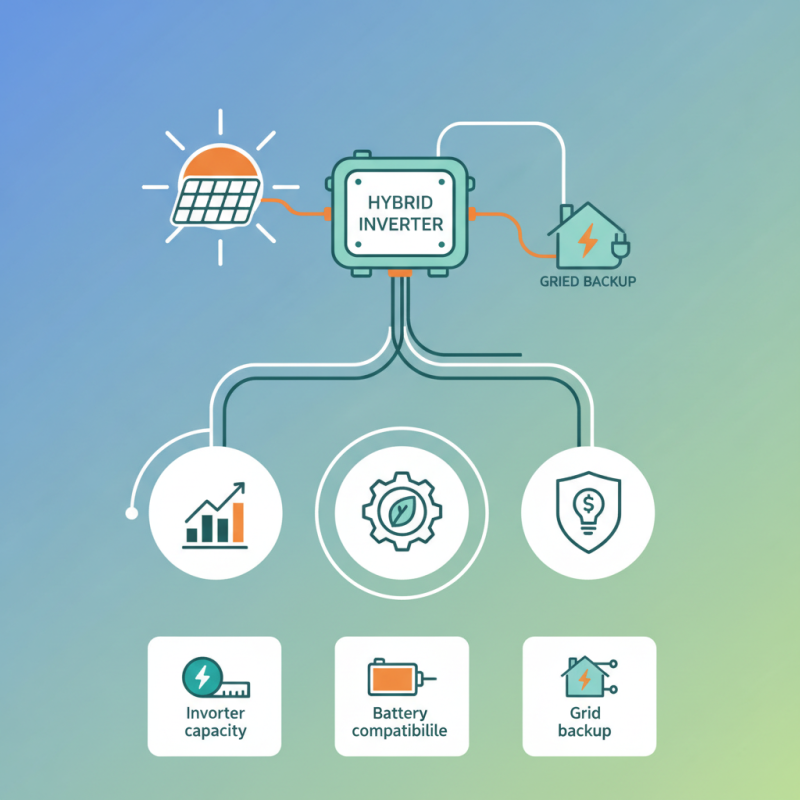
Solar hybrid inverters combine traditional grid power and renewable energy. They are essential for efficient energy management. They allow users to harness solar energy while remaining connected to the grid. This offers flexibility and reliability.
One primary benefit is energy independence. Homeowners can generate electricity during the day. This reduces their reliance on grid power. Moreover, hybrid inverters can store excess energy for nighttime use. This capability is impactful, especially in areas with unstable power supply.
While choosing, consider your energy needs. Assess the size of your solar system. Evaluate peak energy usage. Not all inverters suit every installation. Some models may lack specific features needed for optimal performance. Understanding these nuances is crucial for making the right decision. Always prioritize reputable sources when seeking information.
When choosing a solar hybrid inverter, several key features should be at the forefront of your decision-making process. Efficiency ratings are crucial. Higher efficiency means better energy conversion. Look for inverters with efficiencies above 90% for optimal performance. Additionally, consider the power output. This should match your energy consumption needs. If your inverter cannot support your demand, it could lead to system failures.
Battery compatibility is another significant factor. Ensure the inverter can work with the batteries you intend to use. Some inverters are restricted to specific battery types. Understanding this can prevent future compatibility issues.
Tips: Always check the inverter’s warranty. A longer warranty typically indicates a manufacturer’s confidence in their product. Evaluate the technical support offered by the company too. Reliable customer service can help resolve issues fast.
Don't overlook installation requirements. Some inverters may need professional installation, adding to your cost. Assess your setup and space. An inverter that fits poorly may not perform effectively. Research user reviews to gauge real-world performance. Such insights can guide you to make a better choice.
When sizing your solar hybrid inverter, consider your unique energy requirements. Calculate your daily energy consumption in kilowatt-hours (kWh). This gives a clear indication of the required inverter capacity. A common mistake is underestimating peak loads. Ensure your inverter can handle short bursts of high demand.
Next, assess your solar panel output. The inverter must match the panel capacity for optimal performance. Oversizing can lead to inefficiencies, while undersizing might cause power loss. Know your geographical location, as this impacts solar generation.
Don’t overlook the battery capacity if you have energy storage. The inverter should support the battery size for effective usage of stored energy. It's crucial to reflect on how much autonomy you need. This consideration balances performance with cost effectiveness. Be mindful that every home is different, and personal needs can change over time.
When considering a solar hybrid inverter, brand reputation plays a vital role. Established brands often have a proven track record for reliability. They typically invest in quality control and customer service, which reflects positively on their products. Look for brands that have been in the market for several years. Newer brands may lack the extensive testing and feedback needed for long-term reliability. Research customer reviews to gauge user satisfaction.
Warranty options also deserve careful evaluation. A good warranty provides peace of mind. It indicates that the manufacturer stands behind their product. Look for warranties that cover parts and labor for an extended period. Some brands offer up to 10 years, which can be reassuring. However, don't overlook the terms. Some warranties have exclusions that could limit your coverage. Understanding the fine print is crucial.
Consider feedback from current users about their experiences. Some buyers have reported issues that weren't covered by the warranty. These are crucial learning points. They highlight the need to thoroughly vet both the brand and warranty details before purchase. Making an informed decision is essential to ensure your investment lasts.
| Parameter | Value | Notes |
|---|---|---|
| Output Power | 5 kW | Suitable for average residential use |
| Efficiency | 94% - 98% | Higher efficiency means better performance |
| Battery Compatibility | Lithium-ion | Preference for longer life and stability |
| Warranty Period | 5 - 10 years | Longer warranties signify trust |
| Brand Reputation | Highly rated | Research user reviews and ratings |
| Cooling System | Fan-cooled | Ensures longevity and performance |
| Dimensions | 600 x 400 x 200 mm | Check space availability for installation |
| Weight | 30 kg | Ensure proper installation support |
When considering installation for a solar hybrid inverter, multiple factors come into play. Choose a location that offers optimal sun exposure to maximize efficiency. Research indicates that proper positioning can enhance energy capture by up to 20%. Ensure the inverter’s installation complies with local codes. Any violations can lead to costly fines or safety issues.
Maintenance is an often-overlooked aspect of solar hybrid performance. Regular inspections help identify potential issues early. It's recommended to check connections and wiring every few months. Dust accumulation on panels can decrease efficiency by 25% if left unchecked. Keeping an eye on system performance metrics is crucial. Data shows that inverters can lose efficiency over time without proper maintenance.
Be aware that the installation process can vary. For instance, some homes may require additional structural support. This could lead to increased costs. Always consult with a professional for site evaluations. Not every solution fits every house. Trial and error might reveal insights about what works best for your specific needs. Keep in mind that investing time in understanding these factors pays off in the long run.
: Solar hybrid inverters combine grid power and renewable energy, allowing efficient energy management.
They provide energy independence by allowing homeowners to generate electricity during the day.
They can store excess energy generated during the day for use at night.
Assess your energy needs and evaluate the size of your solar system carefully.
Established brands often ensure reliability and better quality control in their products.
A good warranty should cover parts and labor for a longer period, ideally up to 10 years.
Optimal sun exposure significantly enhances energy capture, potentially improving efficiency by up to 20%.
Regular inspections and cleaning are crucial to maintain performance and detect issues early.
Yes, some homes may need extra structural support which can increase installation costs.
Some users report problems not covered by warranties, highlighting the need for careful review.
When selecting a Solar Hybrid Inverter, it is essential to understand its fundamental capabilities and the benefits it offers, such as efficient energy management and flexibility in utilizing solar power alongside traditional energy sources. Key features to consider include the inverter’s efficiency, compatibility with different energy storage systems, and the ability to manage power loads effectively.
Proper sizing of your Solar Hybrid Inverter is crucial to ensure optimal performance based on your energy needs. Additionally, evaluating the brand's reputation and warranty options can provide assurance of the product's reliability. Lastly, considering installation and maintenance requirements is vital for maximizing the lifespan and functionality of your hybrid inverter. Together, these factors will guide you in making an informed decision that best fits your energy goals.

NOVA New Energy