How to Choose the Best Car Inverter for Your Needs?

Time:2026-09-04 Author:Madeline
0%

Choosing the right car inverter can significantly enhance your driving experience. A car inverter converts your vehicle's DC power into AC power. This allows you to charge devices like laptops, phones, and other gadgets. With so many options available, making the right choice may seem daunting.

Consider your specific needs. Are you frequently on long road trips? Do you require multiple charging ports? Assessing your usage can streamline your decision. Take into account the power output, as it directly influences the number of devices you can charge simultaneously. It’s also vital to consider safety features. Overcharging and short circuits can damage your devices.

Not every car inverter is perfect for every situation. Some may have a lower capacity, limiting their use for heavier devices. Research user reviews and expert recommendations to find reliable products. Reflect on your own experiences with power solutions, as they can provide insight into what works best for you. By understanding both your needs and the available options, you can choose the best car inverter for your unique lifestyle.
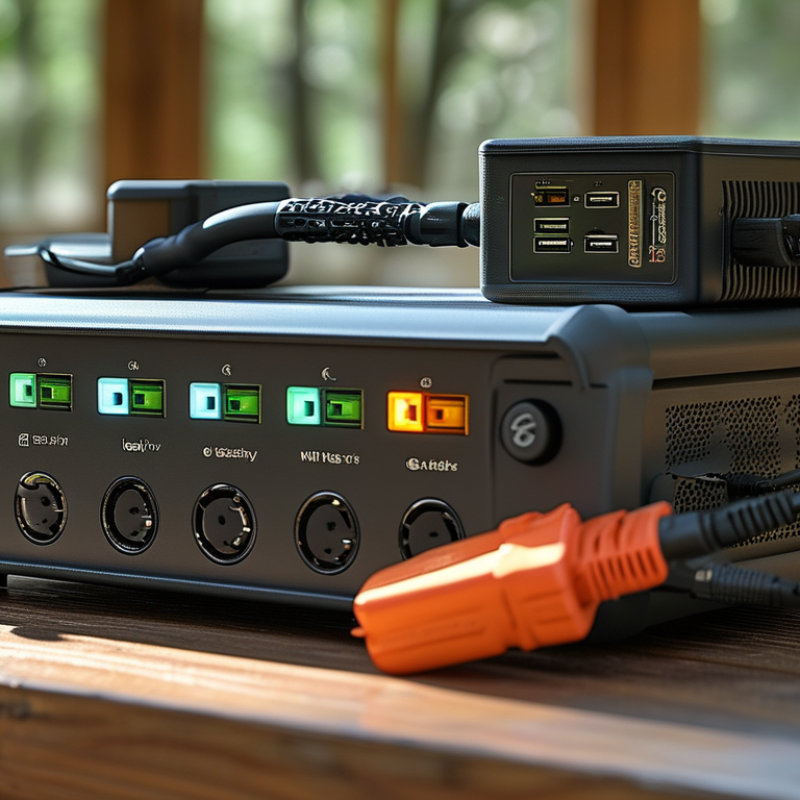
How to Choose the Best Car Inverter for Your Needs?

Understanding the Basics of Car Inverters

Understanding car inverters is essential for anyone looking to power devices on the road. These devices convert your car's DC power into AC power, allowing you to use everyday electronics. They can range from small units that charge smartphones to larger inverters that can run computers or mini-fridges.

When choosing a car inverter, consider the wattage you need. Calculate the total wattage of the devices you plan to use. A common error is underestimating this number, which can lead to device failure. Inverters come with various output options, such as USB ports and AC outlets. Be mindful of these features based on your usage needs.

Another important aspect is the inverter's design. Portable units are convenient, yet they may lack durability. Built-in models can integrate seamlessly into your vehicle, but they can limit flexibility. Always check the inverter’s safety features, like overload protection. They play a crucial role in preventing damage to both the inverter and your devices. Not all inverters are created equal, and being informed helps you make the right choice.

Identifying Your Power Needs for Car Electronics

When selecting a car inverter, understanding your power needs is crucial. Different devices require different wattages. A phone charger typically uses around 10 watts, while a laptop might need 60 watts or more. Assessing the total wattage of your devices helps avoid potential overloads. Many inverters display their power limits clearly, making it easier to choose wisely.

Consider the number of devices you'll be using simultaneously. If you only need to charge a phone, a lower capacity inverter will suffice. If you plan to power a laptop, a mini-fridge, or other equipment at the same time, invest in a higher-capacity model. It's not just about wattage; understanding continuous versus peak power is essential. Peak power refers to the short bursts that some devices require at startup.

Take some time to assess your typical travel habits. Will you frequently need to power devices for extended periods? Are you likely to introduce new electronic devices into your vehicle? Reflecting on these questions helps in making a thoughtful choice. Many users overlook the importance of ventilation in maintaining inverter performance. Ensure that your inverter has adequate airflow to avoid overheating during use.

Power Needs for Car Electronics

This chart illustrates the typical power consumption in watts of various car electronics to help users identify their needs when choosing a car inverter.

Comparing Different Types of Car Inverters

When selecting a car inverter, understanding the different types is crucial. There are primarily two types of car inverters: modified sine wave and pure sine wave. Modified sine wave inverters are generally more affordable. However, they can be less efficient for sensitive devices like laptops or medical equipment. Data shows that using a pure sine wave inverter can extend the life of your electronics by up to 25%, making it a reliable option.

Another aspect to consider is the inverter’s wattage capacity. Inverters come in various power outputs, typically ranging from 150 watts to 3000 watts. A study revealed that many users underestimate their power needs. For example, a simple phone charger might need only 10-20 watts, but a microwave can require 1000 watts or more. This gap often leads to purchasing an inverter that cannot handle the load, resulting in overheating or failure.

Lastly, portability and additional features matter. Some inverters are compact and lightweight, making them easy to transport. Others come with USB ports, surge protectors, and cooling fans. While these features can enhance usability, they often lead to increased costs. Balancing price with functionality and real-life needs can be a challenge. Evaluating what you genuinely need may prevent overspending on unnecessary features.

Evaluating Features and Specifications of Inverters

When choosing a car inverter, understanding its features is crucial. Inverters convert DC power from your vehicle's battery into AC power. This allows you to charge devices and power appliances on the go. Key specifications to evaluate include wattage capacity, number of outlets, and wave type. A study by the Consumer Electronics Association reveals that over 70% of drivers use inverters to power their devices while traveling.

Wattage capacity is one of the most significant factors. For instance, a 300W inverter may suffice for charging smartphones and laptops. However, larger appliances require higher capacities. Look for inverters that offer continuous power ratings as well as surge ratings. The surge rating indicates how much power the inverter can handle momentarily. It’s vital to consider your actual power needs to avoid overloading the inverter.

Another important consideration is the type of wave produced. Pure sine wave inverters provide clean power, making them suitable for sensitive electronics. Modified sine wave inverters are less expensive but may not work well with all devices. According to industry research, around 40% of users face issues when using modified sine wave inverters with advanced electronics. Understanding these aspects will enhance your experience when selecting an inverter for your specific needs.

Ensuring Safety and Compatibility in Your Choice

When selecting a car inverter, safety and compatibility are paramount. Poor quality inverters can lead to overheating and electrical failures. According to a report by Consumer Safety Commission, nearly 3,500 vehicle fires annually are linked to electrical issues. Understanding your vehicle's power requirements is crucial. Not all inverters handle the same wattage, and exceeding the capacity can lead to serious hazards.

It's essential to consider the inverter's technology. Modified sine wave inverters are cheaper but can damage sensitive electronics. Pure sine wave inverters, while more expensive, provide cleaner power. They are safer for laptops and medical devices. The difference in waveforms can determine how efficiently your devices function.

Check your vehicle’s power input requirements. Look for inverters that auto shut-off features to prevent overloading. A compact design may fit better in smaller vehicles, but don’t sacrifice wattage. Consider an inverter with built-in safety features such as overload protection and short-circuit prevention.

Understanding compatibility with your devices will also guide your choice. Bigger isn't always better; your needs dictate the inverter's specifications. Take time to evaluate your energy needs before purchasing.

How to Choose the Best Car Inverter for Your Needs?

Inverter Type Power Output (Watts) Input Voltage Output Voltage Safety Features Weight (lbs)
Modified Sine Wave 400W 12V 110V Overload Protection, Short Circuit Protection 1.5
Pure Sine Wave 600W 12V 110V Overload Protection, Thermal Protection 3.0
High Power 1500W 12V 110V Overload Protection, Short Circuit Protection, Cooling Fan 7.5
Compact Design 300W 12V 110V Overload Protection 1.2
Multifunctional 1000W 12V 110V Overload Protection, Short Circuit Protection, USB Ports 5.0

FAQS

: What is the purpose of a car inverter?

: A car inverter converts DC power from your car to AC power, allowing you to use electronic devices.

How do I determine the wattage I need for a car inverter?

Calculate the total wattage of devices you'll use. Many underestimate this number, which can lead to problems.

What are the main types of car inverters?

The two main types are modified sine wave and pure sine wave inverters. Each has its pros and cons.

Why might I choose a pure sine wave inverter?

Pure sine wave inverters are better for sensitive electronics. They can extend device life by up to 25%.

What features should I look for in a car inverter?

Look for output options like USB ports and AC outlets, along with safety features like overload protection.

Are portable inverters better than built-in models?

Portable inverters offer convenience, but may lack durability. Built-in models can be less flexible but are often more reliable.

Can using a smaller inverter cause issues?

Yes, underpowered inverters may overheat or fail. Ensure your inverter matches your devices' wattage requirements.

What additional features can inverters have?

Some come with surge protectors, cooling fans, and extra ports. More features can improve usability but may increase cost.

Is it worth spending more on additional features?

It depends on your actual needs. Evaluate whether those features are necessary before making a purchase.

How can I avoid overspending on an inverter?

Assess your real-life power needs. Don't just follow trends or buy unnecessary add-ons that you might not use.

Conclusion

When selecting the best car inverter for your needs, it's essential to start with an understanding of the basics. Car inverters are devices that convert DC power from your vehicle's battery into AC power, enabling you to operate various electronic devices while on the go. To make an informed choice, first identify your power needs based on the electronics you plan to use. This will guide you in determining the appropriate wattage and type of inverter required.

Next, compare the different types of car inverters available, such as pure sine wave and modified sine wave, as they cater to distinct usage scenarios. Evaluating the features and specifications—such as the number of outlets, USB ports, and built-in safety mechanisms—is crucial for ensuring that the inverter meets your requirements. Additionally, emphasizing safety and compatibility with your car's electrical system can help avoid potential issues. By carefully considering these aspects, you can choose a car inverter that not only suits your needs but also enhances your driving experience.


Madeline

Madeline

Madeline is a dedicated marketing professional with a wealth of expertise in our company's core offerings. With a keen understanding of the industry, she brings a unique perspective to her role, consistently delivering high-quality content that highlights the superior aspects of our products. As......