As the world moves towards sustainable energy solutions, the demand for solar hybrid inverters has surged. According to the International Energy Agency (IEA), the solar power market is expected to grow at a compound annual growth rate (CAGR) of 20% from 2021 to 2026. This growth highlights the increasing reliance on solar technology globally. The solar hybrid inverter plays a crucial role in this shift, allowing users to combine solar energy with battery storage and traditional grid power.
The market for solar hybrid inverters is not without challenges. Many consumers struggle to select the right product amid numerous options. Data from Wood Mackenzie indicates that a significant portion of hybrid inverter installations fails to optimize energy consumption effectively. Customers often require expert advice to navigate their choices. Moreover, as technology evolves, manufacturers must address quality control issues. Reliability is paramount, as potential failures can undermine trust in solar energy systems.
Choosing the best solar hybrid inverter demands careful consideration of performance and compatibility. As the industry matures, reflecting on past shortcomings will be vital. Attention to detail can lead to significant improvements in both user experience and solar energy adoption rates.
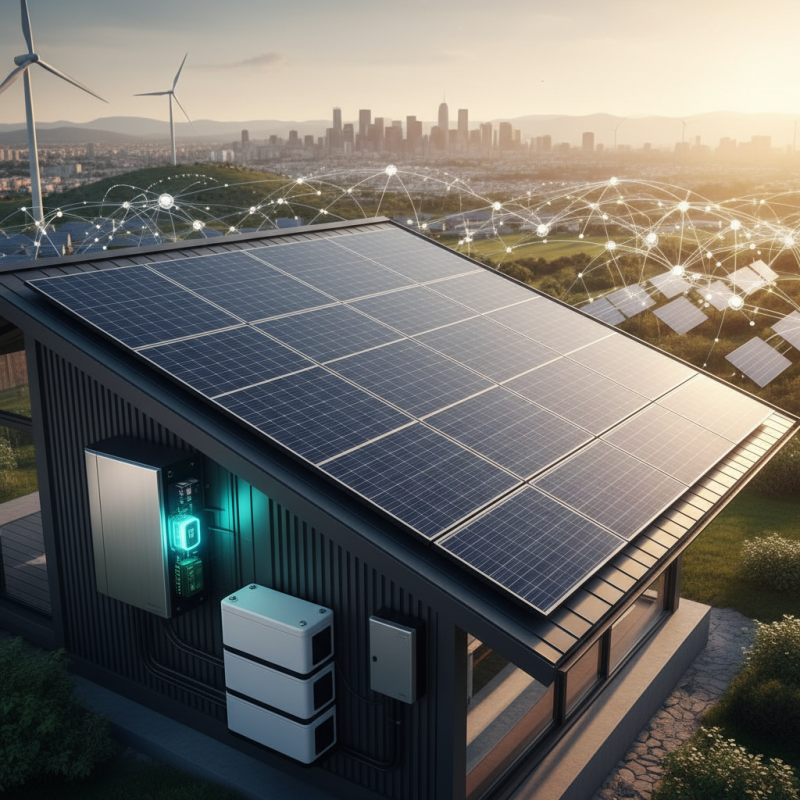
Choosing the right solar hybrid inverter is crucial for optimizing your energy usage. Here are key features to consider when making your decision.
Efficiency is a significant factor. Look for inverters with high conversion rates. Effective inverters maximize energy from both solar panels and the grid. They contribute to lower electricity bills overall. Pay attention to the inverter's power rating. It should match your energy requirements. A mismatch can lead to underperformance.
Battery compatibility is another aspect to think about. Not all inverters work well with every battery type. Ensure that the inverter you choose supports the batteries you plan to use. Also, consider the inverter's monitoring capabilities. Real-time monitoring helps you keep track of energy production and consumption.
Tip: Research user reviews and product tests. This helps identify any potential issues with specific models. Choosing a reliable inverter can prevent costly repairs. Regularly update your knowledge on inverter technology trends, as they evolve rapidly. Each feature can make a notable difference in your solar energy journey.
The solar hybrid inverter market is rapidly evolving, with significant growth anticipated in 2026. According to a recent industry report, the global solar hybrid inverter market is projected to reach USD 15 billion by 2026, driven by increasing demand for renewable energy solutions. This growth is also attributed to advancements in technology and cost reductions in solar energy systems.
Prominent trends indicate a shift towards smart inverters that enable better integration with energy storage systems. These inverters not only optimize energy consumption but also enhance grid stability. Reports suggest that over 30% of new residential solar installations will incorporate hybrid systems by 2026. However, challenges remain. Many consumers still struggle to understand hybrid technology, which can hinder adoption. Technical issues and the need for reliable support systems are vital concerns for potential buyers.
In the context of market leadership, various companies are emerging as key players in this sector. Industry analysts point out that diversity in product offerings is crucial. Brands that adapt to local market demands, while prioritizing efficiency and scalability, are likely to stand out. Yet, with rapid advancements, continuous learning and adaptation will be essential for manufacturers. Understanding customer needs and ensuring product reliability must remain at the forefront to maintain competitive advantage.
In 2026, the demand for solar hybrid inverters continues to rise among global buyers, who prioritize efficiency and reliability. Recent industry reports indicate that the average efficiency rating for top models hovers around 95%. This marks a significant improvement, reflecting advancements in inverter technology. Inverters with higher efficiency ratings allow for better solar energy conversion, maximizing energy output.
A comparative analysis shows that while many models boast high efficiencies, their performance can vary under different conditions. Temperature fluctuations, shading, and installation angles significantly impact their real-world performance. Some models perform well in ideal conditions but may struggle in subtler scenarios. This inconsistency points to the importance of thorough assessments before making a purchase.
**Tips:** When selecting a solar inverter, consider its efficiency rating alongside its performance in various environmental conditions. Additionally, prioritize models with robust warranties and customer support. Don’t overlook installation quality, as this can also drastically affect your system's efficiency, even if you’ve chosen a top-rated inverter.
| Model | Max Efficiency (%) | Battery Compatibility | Input Voltage Range (V) | Weight (kg) | Warranty (Years) |
|---|---|---|---|---|---|
| Model A | 98.5 | Compatible | 200 - 600 | 28 | 10 |
| Model B | 97.8 | Compatible | 150 - 500 | 24 | 12 |
| Model C | 98.2 | Compatible | 180 - 550 | 26 | 15 |
| Model D | 97.0 | Not Compatible | 160 - 480 | 30 | 8 |
When considering solar hybrid inverters, budgeting is crucial. The costs can vary significantly based on features. Basic models may start around a few hundred dollars. Advanced systems, equipped with smart technology, can exceed several thousand.
Installation expenses should also be factored in. Hiring a professional ensures safety and efficiency but adds to the overall cost. Some buyers underestimate these additional expenses, which can lead to budget overruns. It's wise to seek multiple quotes and evaluate the installation method.
Hidden costs are another consideration. Regular maintenance and repairs can accumulate over time. Unexpected failures in the inverter could lead to sudden expenses. Researching warranty options and customer service quality is essential. This allows buyers to make informed decisions and avoid financial pitfalls associated with solar hybrid inverters.
The future of solar hybrid inverter technology looks promising as innovations continue to emerge. These systems blend solar energy and battery storage, providing enhanced efficiency. In 2026, more buyers will expect seamless integration with smart home technology. Real-time energy monitoring will become a standard feature. Users will want to track their energy usage effortlessly. Improved software will allow for better management, including peak-shaving techniques.
As we explore future trends, energy decentralization is vital. Community solar projects will thrive, enabling multiple users to benefit from a single system. This shift may challenge traditional centralized models. Moreover, advancements in battery technology will enhance storage capabilities. Higher efficiency batteries will help prolong energy availability during outages. However, the cost of these systems remains a concern for many.
There are also questions regarding interoperability. Ensuring various components work together smoothly is crucial. Buyers often face confusion with different technologies. Addressing these gaps will be essential for broader acceptance. A more user-friendly approach in design and installation is necessary. Future systems may also incorporate artificial intelligence for smart load management. This evolution could redefine energy consumption patterns, making solar hybrid inverters more essential for sustainability.
This chart presents the average ratings for key features of solar hybrid inverters expected in 2026. The criteria include efficiency, cost, durability, and smart features, reflecting the technological advancements and market trends in this sector.
: The growth is driven by increasing demand for renewable energy and advancements in technology.
The market is projected to reach USD 15 billion by 2026.
Smart inverters are becoming popular due to their integration with energy storage systems.
Many consumers struggle to understand hybrid technology, which hinders adoption.
Costs vary widely, and unexpected expenses can lead to budget overruns.
Basic models start at a few hundred dollars, while advanced systems can exceed several thousand.
Installation and maintenance expenses can accumulate over time; these are often underestimated.
Research warranty options and evaluate customer service quality before making a decision.
Understanding customer needs and ensuring product reliability is crucial for competitiveness.
The importance of obtaining multiple quotes for installation is frequently overlooked.
As the demand for renewable energy solutions continues to rise, choosing the right Solar Hybrid Inverter becomes crucial for global buyers in 2026. Key features to consider include efficiency ratings, which play a significant role in determining overall performance. Comparative analyses of popular models are essential for making informed choices, as they reveal the nuances in efficiency and functionality.
Cost considerations are also vital when budgeting for a Solar Hybrid Inverter, as prices can vary widely based on features and capacity. Furthermore, emerging trends in technology and innovation promise to enhance the capabilities of solar hybrid inverters, making them an increasingly attractive option for sustainable energy solutions. Understanding these factors will help consumers select the best inverter to meet their unique energy needs.

NOVA New Energy