Smart bulbs have revolutionized the way we illuminate our homes. These innovative devices offer more than just light; they bring convenience, energy efficiency, and a touch of modern technology to daily life. Imagine controlling your home's lighting from your smartphone or adjusting it with a voice command. Smart bulbs make this possible, enhancing user experience significantly.
With their ability to change colors and dim brightness, smart bulbs allow for personalized ambiance. You can transform a room for cozy movie nights or bright and energetic spaces for gatherings. Yet, while smart bulbs are generally easy to use, their complexity can sometimes be overwhelming. Setting them up and integrating them with existing smart home systems may present challenges.
Moreover, the long-term energy savings and environmental benefits are significant. Smart bulbs consume less power and last longer than traditional bulbs. However, it’s important to consider the initial investment in smart bulbs and the technology ecosystem required. Some may find that the upfront cost does not justify the benefits. Evaluating your lifestyle and needs is crucial when making the switch.
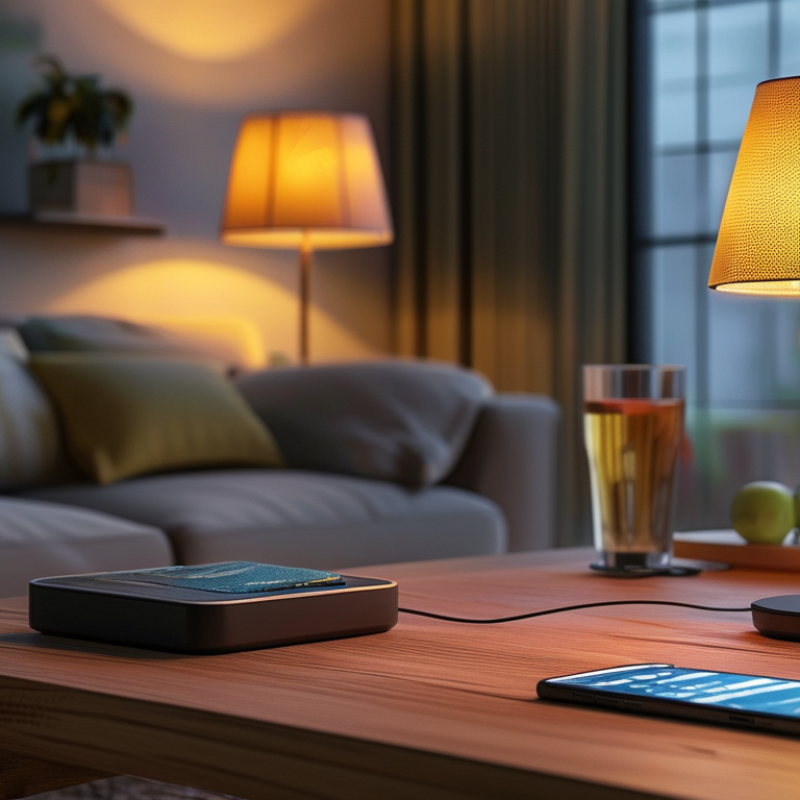
Smart bulbs offer remarkable energy efficiency and significant cost savings for homeowners. They consume less energy compared to traditional bulbs. This efficiency can lead to reduced electricity bills over time. Many smart bulbs use LED technology, which lasts longer than other types. This longevity means fewer replacements, contributing to overall savings.
Using smart bulbs allows for precise control of your lighting. You can adjust the brightness and color temperature easily. This adaptability can create ambiance, leading to increased comfort at home. Studies show that well-lit environments can improve mood and productivity. However, it's essential to ensure these systems are set up correctly. Misconfigured settings can lead to wasted energy.
Tips: Consider using smart bulbs with timers. This helps ensure lights are off when not needed. Utilize motion sensors for outdoor lighting; they save energy by lighting only when necessary. Regularly review your energy usage to identify patterns. This reflection can help you optimize your smart lighting for even greater savings.
Smart lighting solutions can significantly enhance home security. Imagine returning home to a well-lit property that deters potential intruders. Smart bulbs can automatically turn on when it gets dark, mimicking your usual patterns. This unpredictability makes your home less appealing to thieves.
Motion sensors integrated with smart bulbs provide an additional layer. They detect activity and illuminate the area. This instant response draws attention to any unusual movement. Even the slightest motion triggers a light, creating a sense of vigilance. Homeowners can monitor these lights remotely, offering peace of mind while away.
While the benefits are clear, challenges exist. Technical issues may disrupt the functionality of smart lighting systems. Not all homes can support advanced technology, raising questions about compatibility. A poorly configured system could lead to false alarms or unresponsive lights. Careful planning is essential to ensure these systems work as intended, maintaining a reliable security presence.
| Feature | Description | Benefit |
|---|---|---|
| Remote Control | Control lights from your smartphone or smart home device. | Increased convenience and flexibility in managing home lighting. |
| Scheduling | Set specific times for lights to turn on or off. | Enhances security by simulating occupancy when you're away. |
| Energy Efficiency | Uses LED technology to consume less power. | Reduces energy bills and environmental impact. |
| Customizable Settings | Adjust brightness and color based on mood or activity. | Improves ambiance and enhances lifestyle comfort. |
| Integration with Security Systems | Works seamlessly with alarms and security cameras. | Provides enhanced security alerts and peace of mind. |
| Voice Control | Compatible with voice assistants for hands-free operation. | Adds convenience and modernity to home lighting. |
Smart bulbs bring a new level of convenience and automation to daily life. Imagine walking into a dark room and your lights turn on automatically. It’s a simple pleasure that can enhance your comfort. Smart bulbs can be controlled with your smartphone. You can dim the lights or change colors without getting up. This feature is especially useful during movie nights or dinner parties.
Tips: Set schedules for your smart bulbs. Program them to turn on at sunset. This makes coming home easier and saves energy. You can also create scenes. For instance, a cozy reading light or bright daylight for working. These presets can elevate your mood and productivity.
However, smart bulbs aren’t flawless. Sometimes, they can disconnect from your Wi-Fi. This can be frustrating. Users often spend time troubleshooting, which detracts from the user experience. Another point to consider is integration with other smart devices. Ensure your smart bulbs are compatible with your existing systems. Balancing convenience with practicality is key. Exploring these options will help you maximize the benefits of smart lighting.
Smart lighting offers an exciting way to personalize your home environment. You can adjust the brightness and color of your smart bulbs to match the mood. Whether it’s a cozy evening or a lively gathering, the right lighting can enhance your experience. Imagine a soft, warm glow while reading a book or vibrant colors during a party. This flexibility allows homeowners to design their spaces to suit different occasions.
However, achieving the perfect ambiance is not always straightforward. Some find it challenging to choose the right settings for each situation. Trial and error might be necessary to discover what feels best. You might start with bright white lights for work but later switch to softer tones for relaxation. Engagement with your environment can lead to a deeper connection with your space.
Consider the psychological effects of color as well. Blue light might help you focus, while warm tones can create a sense of calm. Experimenting with these aspects can reshape your home life. Sometimes, you might find that what you thought would work doesn’t quite fit the mood. Reflection on these experiences can help you refine your approach, creating a truly personalized sanctuary.
Integrating smart bulbs with home automation systems offers numerous advantages that enhance convenience and efficiency. According to recent data, smart lighting can reduce energy consumption by up to 80% compared to traditional bulbs. This reduction not only lowers utility bills but also contributes to a greener environment. Smart bulbs can be programmed to turn off when not needed, ensuring lights aren't left on unnecessarily.
Home automation integration allows seamless control of lighting with other devices. For instance, smart bulbs can sync with motion sensors, turning on when someone enters a room. This creates an intuitive experience, enhancing safety and comfort. However, the immersive experience can lead to over-reliance on technology, raising questions about privacy and security. More than 60% of consumers express concerns over data sharing and hacking risks associated with smart devices.
While the benefits are tangible, the ease of use varies among users. Some may struggle with installation or configuration, which can be frustrating. Reports indicate that almost 30% of new users abandon smart lighting after initial setup challenges. Thus, while smart bulbs are innovative, they require careful consideration and ongoing evaluation to ensure their effectiveness and safety in daily use.
: Smart bulbs use less energy than traditional bulbs. This leads to lower electricity bills over time.
Yes, you can adjust brightness and color. This flexibility enhances your experiences for various occasions.
Many smart bulbs utilize LED technology. They last longer, reducing the need for frequent replacements.
Use timers and motion sensors. Regularly review your energy usage to identify and improve patterns.
It can be challenging. Misconfigured settings may lead to wasted energy, so careful setup is crucial.
Blue light can enhance focus, while warm tones promote calm. Experimenting with colors can reshape your space.
Not always. It may take trial and error to find the right settings for your mood.
A soft, warm glow is ideal. Adjusting the light can make your reading experience more enjoyable.
You might find the lighting doesn't fit the mood. Reflection on this can guide your adjustments.
Yes, well-lit areas can boost mood and productivity. Thus, adjusting lighting appropriately is beneficial.
Smart bulbs offer numerous advantages that enhance home living. One of the primary benefits is their energy efficiency, which leads to significant cost savings on electricity bills. By utilizing smart bulbs, homeowners can optimize energy usage, reducing both their carbon footprint and expenditure. Moreover, these lighting solutions contribute to home security, allowing homeowners to program lighting schedules or remotely control lights to simulate occupancy when they're away.
In addition to practicality, smart bulbs bring convenience and automation into daily life. Their ability to be controlled via smartphones or smart home systems means that adjusting lighting can be done effortlessly. Furthermore, smart bulbs allow for personalization, enabling users to create specific ambiances for different occasions with ease. By integrating them with various home automation systems and devices, smart bulbs can transform an ordinary living space into a more dynamic and enjoyable environment.

NOVA New Energy